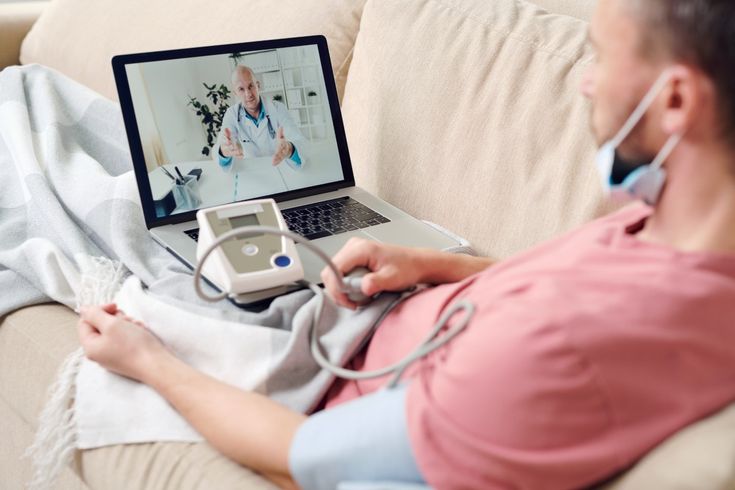

Effective communication is one of the most important elements of quality healthcare delivery. Patients expect timely updates, clear information, personalized interactions, and easy access to healthcare providers. At the same time, healthcare organizations must manage large volumes of communication while maintaining accuracy and efficiency. This is where Healthcare CRM for Efficient Patient Communication becomes an essential solution.
Healthcare Customer Relationship Management (CRM) systems are designed to streamline patient interactions, automate communication workflows, and improve engagement throughout the patient journey. By centralizing patient information and enabling multi-channel communication, healthcare CRM platforms help providers build stronger relationships with patients while reducing administrative burdens.
The Importance of Patient Communication in Healthcare
Communication directly impacts patient satisfaction, treatment adherence, and overall healthcare outcomes. Patients who receive clear and timely information are more likely to attend appointments, follow treatment plans, and remain engaged in their healthcare.
Poor communication can lead to:
- Missed appointments
- Delayed treatments
- Patient dissatisfaction
- Reduced trust
- Increased administrative workload
As healthcare services become increasingly patient-centered, organizations are investing in technologies that improve communication efficiency and consistency.
What Is Healthcare CRM?
Healthcare CRM is a specialized customer relationship management system designed specifically for hospitals, clinics, medical centers, and healthcare providers. Unlike traditional CRM platforms, healthcare CRM focuses on managing patient relationships and enhancing communication throughout the care journey.
Healthcare CRM systems help organizations:
- Manage patient interactions
- Automate communications
- Schedule appointments
- Track engagement
- Organize patient information
- Support follow-up care
These capabilities make CRM technology a critical component of modern healthcare operations.
How Healthcare CRM Improves Patient Communication
One of the primary advantages of Healthcare CRM for Efficient Patient Communication is its ability to create structured, automated, and personalized communication processes.
Rather than relying on manual outreach methods, healthcare organizations can use CRM platforms to ensure that patients receive timely and relevant information at every stage of their healthcare experience.
Centralized Patient Information
Healthcare CRM systems centralize patient data into a single platform, making communication more accurate and efficient.
Healthcare providers can access:
- Contact information
- Appointment history
- Communication records
- Treatment plans
- Patient preferences
- Follow-up schedules
Having complete patient information readily available allows staff to provide more personalized and informed interactions.
Centralized data also reduces communication errors and improves coordination across departments.
Automated Appointment Reminders
Missed appointments can negatively impact both patient care and healthcare operations.
Healthcare CRM systems automate appointment reminders through:
- SMS notifications
- Email messages
- Mobile alerts
- Automated calls
These reminders help patients remember upcoming appointments, reducing no-show rates and improving scheduling efficiency.
Automation eliminates the need for staff to manually contact patients, saving valuable time and resources.
Personalized Patient Engagement
Modern patients expect personalized healthcare experiences.
Healthcare CRM platforms use patient data to deliver tailored communications based on:
- Medical history
- Treatment plans
- Health interests
- Appointment schedules
- Preventive care needs
Personalized communication helps patients feel valued and improves engagement with healthcare services.
Relevant and timely messages encourage stronger patient-provider relationships and improve overall satisfaction.
Streamlined Follow-Up Communication
Follow-up care is an essential part of effective healthcare delivery. However, manually managing follow-up communications can be challenging, especially for large healthcare organizations.
Healthcare CRM systems automate:
- Post-treatment follow-ups
- Recovery check-ins
- Medication reminders
- Preventive care notifications
- Wellness program updates
Automated follow-up communication ensures continuity of care while reducing administrative workload.
Patients receive consistent support throughout their healthcare journey, improving outcomes and satisfaction.
Multi-Channel Communication Capabilities
Patients prefer different communication methods based on their individual preferences.
Healthcare CRM systems support multiple channels, including:
- SMS
- Patient portals
- Mobile applications
- Phone communications
Multi-channel communication allows healthcare providers to reach patients through their preferred platforms, increasing engagement and responsiveness.
This flexibility is a major benefit of Healthcare CRM for Efficient Patient Communication.
Faster Response to Patient Inquiries
Patients often contact healthcare providers with questions about appointments, treatments, billing, or services.
Healthcare CRM platforms help manage inquiries more efficiently by:
- Organizing communication histories
- Tracking requests
- Routing inquiries to appropriate staff
- Automating responses for common questions
Faster response times improve patient experiences and reduce frustration.
Efficient inquiry management also helps healthcare organizations maintain high service standards.
Improved Communication Consistency
Consistency is critical in healthcare communication. Patients should receive accurate and timely information regardless of which department or staff member they interact with.
Healthcare CRM systems standardize communication processes and ensure that messaging remains consistent across all channels.
Standardized communication helps:
- Reduce misunderstandings
- Improve patient trust
- Support compliance requirements
- Enhance overall service quality
Consistent communication contributes significantly to patient satisfaction and engagement.
Supporting Preventive Care Initiatives
Preventive healthcare plays a vital role in improving long-term health outcomes.
Healthcare CRM systems help organizations promote preventive care through automated outreach campaigns such as:
- Vaccination reminders
- Screening notifications
- Annual checkup invitations
- Wellness program promotions
Proactive communication encourages patients to participate in preventive healthcare activities and maintain healthier lifestyles.
Enhancing Patient Satisfaction
Effective communication is closely linked to patient satisfaction.
Patients appreciate:
- Timely updates
- Easy access to information
- Personalized interactions
- Convenient appointment management
- Responsive support
Healthcare CRM platforms enable providers to deliver these experiences consistently.
Improved communication often leads to higher satisfaction scores, stronger patient loyalty, and better healthcare outcomes.
Supporting Healthcare Teams
Healthcare CRM systems benefit not only patients but also healthcare professionals.
By automating routine communication tasks, CRM platforms allow staff to focus on higher-value activities such as:
- Direct patient care
- Clinical decision-making
- Care coordination
- Service improvement initiatives
Reducing administrative workload contributes to improved staff productivity and operational efficiency.
Data-Driven Communication Strategies
Healthcare CRM systems provide valuable analytics that help organizations evaluate communication effectiveness.
Providers can monitor:
- Message delivery rates
- Appointment attendance
- Patient engagement levels
- Follow-up completion rates
- Communication preferences
These insights allow healthcare organizations to refine communication strategies and continuously improve patient engagement efforts.
The Future of Patient Communication with CRM
Emerging technologies are further enhancing healthcare CRM capabilities.
Future advancements may include:
- Artificial intelligence-powered communication
- Predictive patient engagement
- Intelligent messaging automation
- Personalized healthcare recommendations
- Voice-enabled patient interactions
These innovations will help healthcare providers deliver even more efficient, responsive, and personalized communication experiences.
Conclusion
Healthcare CRM for Efficient Patient Communication is transforming the way healthcare organizations interact with patients. By centralizing information, automating communication workflows, supporting multi-channel engagement, and enabling personalized interactions, healthcare CRM systems significantly improve communication efficiency.
Effective patient communication enhances satisfaction, strengthens relationships, supports better healthcare outcomes, and reduces administrative burdens. As healthcare organizations continue to embrace digital transformation, CRM technology will remain a vital tool for creating connected, patient-centered communication strategies that drive both operational success and improved patient care.