

Chronic diseases such as diabetes, hypertension, cardiovascular conditions, and asthma are among the leading causes of long-term disability and mortality worldwide. Managing these conditions requires consistent monitoring, patient education, medication adherence, and frequent communication between healthcare providers and patients. Traditional healthcare methods often struggle to provide this level of care, especially when dealing with large patient populations.
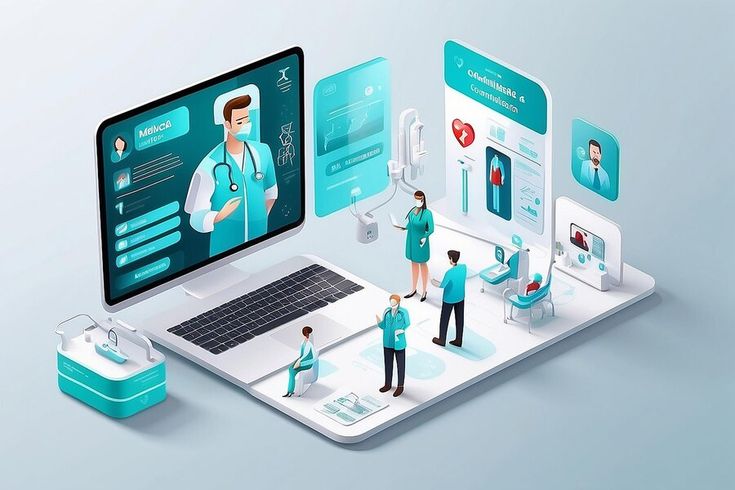
This is where Healthcare Customer Relationship Management (CRM) systems play a transformative role. By leveraging CRM technology, healthcare providers can streamline chronic disease management, improve patient outcomes, and enhance operational efficiency.
Understanding Chronic Disease Management
Chronic disease management is a comprehensive approach to caring for patients with long-term health conditions. It involves:
- Regular monitoring of patient health
- Timely interventions to prevent complications
- Patient education and lifestyle management
- Coordination among multiple healthcare providers
Effective chronic disease management requires ongoing communication and data-driven decisions. Without proper tools, providers may struggle to keep track of patient histories, treatment plans, and engagement levels.
How Healthcare CRM Supports Chronic Disease Management
A well-implemented healthcare CRM can significantly enhance chronic disease management by addressing the challenges of communication, monitoring, and patient engagement. Here’s how:
1. Centralized Patient Records
One of the core strengths of a CRM system is the ability to store and manage patient information in a centralized database. For chronic disease patients, this includes:
- Medical history
- Current medications
- Lab test results
- Past consultations and hospital visits
Having all this information in one place allows healthcare providers to make informed decisions quickly. It also ensures that multiple specialists involved in a patient’s care are working with the same up-to-date information.
2. Personalized Care Plans
Chronic diseases often require tailored care plans based on individual patient needs. Healthcare CRMs allow providers to:
- Track patient-specific goals, such as blood sugar levels or blood pressure targets
- Schedule personalized reminders for medications or lifestyle activities
- Monitor patient progress over time
By personalizing care plans, healthcare providers can encourage better patient adherence, reduce complications, and improve overall outcomes.
3. Automated Patient Engagement
Maintaining regular communication with patients is crucial for chronic disease management. Healthcare CRMs offer automation tools to:
- Send appointment reminders
- Deliver educational content about diet, exercise, and medications
- Provide alerts for lab tests, check-ups, or vaccination schedules
Automation ensures that patients stay engaged without adding administrative burden to healthcare staff. This continuous engagement encourages patients to take a proactive role in managing their health.
4. Remote Monitoring and Telehealth Integration
Many CRM systems integrate with telehealth platforms and remote monitoring devices, enabling healthcare providers to track patient health in real-time. For example:
- Glucose monitors sending data directly to the CRM for diabetes management
- Blood pressure readings uploaded to a patient portal for hypertension tracking
- Activity trackers monitoring daily exercise for cardiovascular patients
Remote monitoring helps detect potential health issues early, reducing hospitalizations and emergency visits.
5. Data Analytics and Predictive Insights
Healthcare CRMs generate valuable insights from patient data. Providers can use analytics to:
- Identify high-risk patients who may need extra attention
- Predict disease progression and intervene early
- Evaluate the effectiveness of treatment plans
- Allocate resources efficiently
Predictive analytics ensures that healthcare providers can take proactive measures rather than reacting to emergencies, improving both patient outcomes and clinic efficiency.
6. Streamlining Care Coordination
Chronic disease patients often require care from multiple specialists, including primary care physicians, cardiologists, endocrinologists, and dietitians. A CRM helps coordinate care seamlessly by:
- Sharing updates across departments in real-time
- Scheduling joint consultations
- Maintaining a record of medications prescribed by different doctors
This coordination reduces errors, avoids duplicated tests, and ensures that patients receive consistent care.
7. Enhancing Patient Education
Education is a critical component of chronic disease management. CRMs enable providers to:
- Share personalized educational content via email or patient portals
- Provide reminders for lifestyle changes such as diet or exercise
- Track patient engagement with educational materials
Informed patients are more likely to follow treatment plans, recognize warning signs, and participate actively in their health journey.
Benefits of Using CRM for Chronic Disease Management
Healthcare providers that implement CRM for chronic disease management experience several advantages:
- Improved Patient Outcomes: Regular monitoring and personalized care plans lead to better disease management.
- Increased Patient Engagement: Automated reminders and educational content help patients stay proactive.
- Operational Efficiency: Centralized records and workflow automation reduce administrative burdens.
- Cost Reduction: Early intervention and better disease management lower hospitalization rates and healthcare costs.
- Enhanced Care Coordination: Multiple providers can access the same patient data, reducing errors and duplication.

Conclusion
Chronic diseases are complex and require ongoing attention, but healthcare CRM systems make managing these conditions more effective and efficient. By centralizing patient information, enabling personalized care, automating communication, integrating telehealth, and providing predictive insights, CRMs empower providers to deliver better care, improve patient outcomes, and streamline operations.
In today’s healthcare landscape, where patient expectations are higher than ever, a robust CRM system is no longer a luxury—it’s a necessity for managing chronic diseases successfully. Providers who embrace this technology can foster long-term relationships with patients, reduce complications, and create a healthier, more engaged patient community.