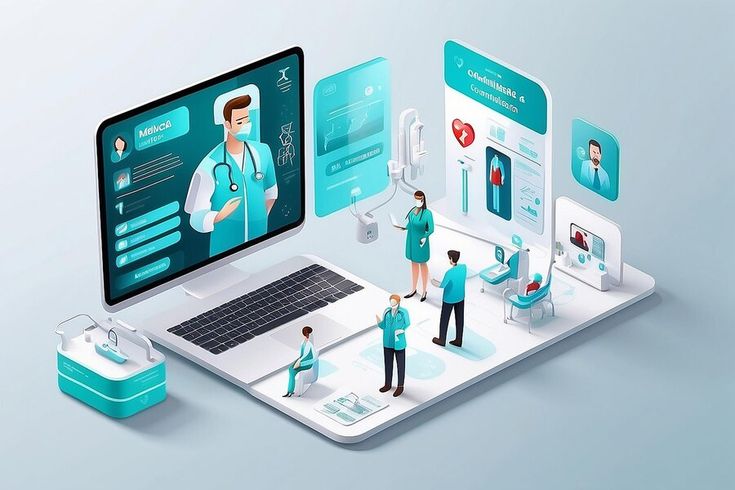


In today’s technology-driven healthcare landscape, the integration of Artificial Intelligence (AI) with Customer Relationship Management (CRM) systems is reshaping how providers interact with patients, manage data, and deliver care. While traditional CRMs have long supported healthcare organizations in managing patient relationships, scheduling, and communication, AI takes these capabilities to an entirely new level.
By combining intelligent automation, predictive analytics, and personalized insights, AI-powered healthcare CRMs enable smarter decision-making, improved patient experiences, and more efficient operations. This blog explores how AI enhances the functionality of healthcare CRMs and why it’s becoming a cornerstone of modern healthcare management.
1. Smarter Patient Data Management
One of the biggest challenges in healthcare is managing vast amounts of patient data—from medical histories and prescriptions to communication records and feedback. Traditional CRMs can store and organize this data, but AI can analyze and interpret it intelligently.
AI algorithms can automatically categorize data, detect patterns, and identify inconsistencies. For example, if a patient’s contact details are incomplete or duplicated, the AI system can correct or merge the records automatically.
Moreover, AI can link structured and unstructured data from multiple sources such as Electronic Health Records (EHRs), lab results, and wearable devices, giving healthcare providers a 360-degree view of each patient. This unified data view enables more informed decision-making and ensures that no critical information is overlooked.
2. Predictive Analytics for Proactive Care
AI empowers healthcare CRMs with predictive analytics, allowing providers to anticipate patient needs and behaviors before they occur. By analyzing historical data, AI models can predict outcomes such as appointment cancellations, readmission risks, or treatment adherence issues.
For instance, a CRM integrated with AI can identify patients who are likely to miss follow-up visits based on past trends and automatically send reminders or alerts to care coordinators. Similarly, it can highlight patients at risk of chronic conditions like diabetes or hypertension, prompting early interventions.
This predictive capability transforms healthcare from a reactive model—where care is provided after symptoms appear—into a proactive model, where potential health issues are addressed before they escalate.
3. Enhanced Personalization in Patient Engagement
Personalization has become a defining factor in modern healthcare. AI enhances CRM systems by analyzing patient data to deliver tailored communication and care experiences.
For example, AI can segment patients based on their age, health conditions, preferences, and communication behavior. The CRM can then send personalized health tips, reminders, or promotional content that resonates with each individual.
A patient managing a chronic condition might receive educational content and reminders about medication, while another focused on preventive care might get updates about wellness programs. This targeted engagement builds stronger relationships, improves patient satisfaction, and boosts retention rates.
AI also optimizes communication timing. By studying when a patient is most likely to open an email or respond to a text, the CRM can schedule messages for maximum engagement.
4. Automating Administrative Workflows
Healthcare professionals often spend a significant portion of their time on administrative tasks—appointment scheduling, data entry, billing reminders, and follow-ups. AI can automate these repetitive processes, freeing staff to focus on patient care.
AI-powered CRMs can automatically schedule appointments, update patient records, and send payment reminders without manual input. Chatbots integrated into CRMs can handle routine queries—such as appointment availability or lab report requests—24/7, reducing call center loads and improving response times.
Automation not only enhances efficiency but also minimizes human errors, ensuring that patient data is accurate and up to date. The result is a streamlined, cost-effective workflow that benefits both providers and patients.
5. Advanced Analytics and Decision Support
AI transforms healthcare CRMs into powerful analytics platforms that offer real-time insights for better decision-making. With AI-driven dashboards, healthcare administrators can visualize performance metrics, patient satisfaction scores, and campaign results—all in one place.
For example, AI can analyze appointment trends to identify peak booking hours, helping optimize staffing. It can also track which outreach campaigns generate the highest patient engagement, allowing marketers to refine their strategies.
In clinical settings, AI can even assist doctors by identifying patterns in patient symptoms and suggesting possible diagnoses or treatments based on similar cases. While these insights don’t replace medical judgment, they serve as valuable decision support tools that enhance care quality and precision.
6. Improving Patient Retention and Loyalty
Retention is a major challenge for healthcare providers. AI-enabled CRMs help address this by continuously monitoring patient satisfaction and engagement levels.
For instance, AI sentiment analysis tools can scan patient feedback, reviews, or survey responses to detect dissatisfaction or frustration. The system can then alert healthcare managers to take corrective action—such as reaching out to unhappy patients or improving specific services.
Predictive analytics can also flag patients who haven’t scheduled follow-up visits or have disengaged from communication channels. By identifying at-risk patients early, healthcare providers can take proactive steps to re-engage them and prevent churn.
Over time, this data-driven approach builds trust, strengthens patient relationships, and improves overall brand loyalty.
7. Enhancing Marketing and Outreach Campaigns
AI transforms healthcare marketing from guesswork into precision targeting. Integrated with a CRM, AI can analyze demographic, behavioral, and psychographic data to determine which patients are most likely to respond to specific campaigns.
For example, if a clinic launches a new preventive health package, AI can identify patient groups that fit the ideal profile and automatically send personalized offers via email or SMS.
AI also tracks campaign performance in real-time, allowing marketers to tweak their strategies for better ROI. With machine learning, these systems continuously improve—understanding which content, tone, or timing generates the highest conversions.
This level of automation and insight makes AI-powered marketing both efficient and impactful, helping healthcare providers reach the right audience with the right message at the right time.
8. Ensuring Data Security and Compliance
While handling sensitive health data, maintaining compliance with regulations such as HIPAA and GDPR is critical. AI strengthens CRM security by monitoring systems for unusual activity, detecting potential breaches, and automatically flagging risks.
AI algorithms can also help ensure compliance by auditing workflows, identifying data-sharing violations, and generating reports that keep healthcare organizations accountable.
By automating security checks and compliance processes, AI helps maintain patient trust and regulatory integrity without adding to the administrative burden.

Final Thoughts
The integration of AI in healthcare CRMs represents a major leap forward in how patient relationships are managed. From predictive analytics and automated workflows to personalized engagement and advanced security, AI turns CRMs into intelligent systems that not only manage relationships but also enhance care quality and business performance.
As the healthcare industry continues to embrace digital transformation, AI-powered CRMs will become essential for organizations aiming to stay competitive, efficient, and patient-centric. They empower providers to make smarter decisions, deliver more personalized care, and build lasting trust with patients—laying the foundation for a healthier, data-driven future.