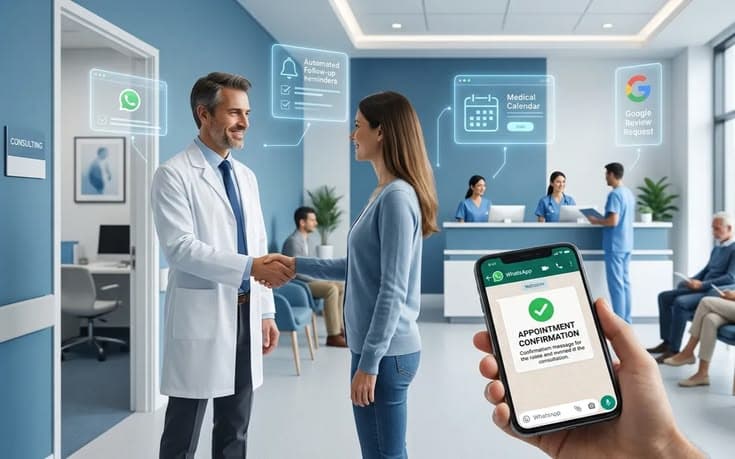
How AI Improves Patient Communication in Healthcare CRM
In today’s fast-paced healthcare landscape, effective communication between healthcare providers and patients is more critical than ever. Miscommunication, delayed responses,


In today’s fast-paced healthcare landscape, effective communication between healthcare providers and patients is more critical than ever. Miscommunication, delayed responses, and fragmented information can lead to dissatisfaction, missed appointments, and even medical errors. This is where Healthcare Customer Relationship Management (CRM) systems come into play, providing a centralized platform to manage patient interactions efficiently. With the integration of Artificial Intelligence (AI), healthcare CRMs are now revolutionizing the way healthcare providers communicate with patients, making interactions smarter, faster, and more personalized.
Understanding Healthcare CRM
A Healthcare CRM is a software solution designed to streamline patient management, enhance engagement, and improve operational efficiency. It allows healthcare organizations to manage appointments, patient records, follow-ups, and communication from a single platform. While traditional CRMs already help in organizing patient data, AI adds an extra layer of intelligence, enabling proactive and personalized communication.
AI-Powered Patient Communication
AI enhances patient communication in several impactful ways:
1. Personalized Messaging
One of the most significant advantages of AI in healthcare CRM is the ability to personalize patient interactions. AI algorithms analyze patient data, such as medical history, past appointments, and preferences, to tailor messages. For example, patients can receive reminders about upcoming appointments, follow-up care instructions, or even educational content relevant to their health conditions. Personalized messaging not only increases patient engagement but also builds trust, as patients feel the healthcare provider understands their unique needs.
2. 24/7 Support with Chatbots
Patients often have questions outside of clinic hours, ranging from appointment scheduling to post-treatment care instructions. AI-powered chatbots integrated into healthcare CRMs provide round-the-clock assistance, answering common queries instantly. This reduces the burden on administrative staff while ensuring that patients receive timely and accurate information. Advanced chatbots can even escalate complex queries to healthcare professionals, ensuring seamless communication.
3. Predictive Analytics for Proactive Communication
AI can analyze historical patient data to predict future needs and recommend proactive communication strategies. For instance, if a patient frequently misses appointments, AI can trigger reminder messages at optimal times. Similarly, patients with chronic conditions can receive timely notifications for check-ups or preventive care. This predictive approach helps in reducing missed appointments, improving treatment adherence, and enhancing overall patient satisfaction.
4. Enhanced Appointment Management
Scheduling and managing appointments can be a tedious process for both patients and staff. AI simplifies this by analyzing patient availability, clinic schedules, and even traffic patterns to suggest optimal appointment times. Automated reminders sent via SMS, email, or app notifications ensure patients remember their appointments, reducing no-shows and improving clinic efficiency.
5. Streamlining Feedback Collection
Patient feedback is essential for improving healthcare services. AI-powered CRMs can automatically collect and analyze feedback, identifying patterns and areas that require attention. For example, if multiple patients report delays in communication, the system can alert staff to address these concerns promptly. This continuous feedback loop fosters a culture of improvement and ensures patients feel heard.
6. Multi-Channel Communication Integration
Modern patients expect communication through multiple channels, including email, SMS, mobile apps, and social media. AI enables healthcare CRMs to integrate these channels into a single communication hub, ensuring consistency and efficiency. Patients can receive updates through their preferred medium, enhancing engagement and convenience.
Benefits for Healthcare Providers
Implementing AI in healthcare CRM offers numerous benefits for healthcare providers:
- Efficiency: Automating routine communication tasks reduces administrative workload.
- Accuracy: AI minimizes human error in patient messaging.
- Engagement: Personalized and timely communication strengthens patient relationships.
- Retention: Patients are more likely to remain loyal to providers who communicate effectively.
- Data-Driven Decisions: Insights from AI analytics enable better strategic planning.
Challenges to Consider
While AI in healthcare CRM provides significant advantages, organizations must address certain challenges:
- Data Privacy: Ensuring patient information remains secure and compliant with regulations like HIPAA is crucial.
- System Integration: AI must seamlessly integrate with existing CRM platforms and EHR systems.
- Patient Trust: Transparency about AI usage is necessary to maintain patient trust.

The Future of AI in Healthcare Communication
The role of AI in healthcare CRM is only set to grow. Future advancements may include voice-activated AI assistants, predictive health alerts, and AI-driven virtual care consultations. As technology evolves, healthcare providers who adopt AI-powered communication tools will be better positioned to enhance patient experiences, improve clinical outcomes, and drive operational efficiency.
The Doctorna editorial desk writes about healthcare operations, patient experience and the systems clinics use to connect them.