How CRM Drives Digital Transformation in Healthcare
The healthcare industry is undergoing a major digital transformation, driven by the need for more efficient operations, enhanced patient experiences,


The healthcare industry is undergoing a major digital transformation, driven by the need for more efficient operations, enhanced patient experiences, and improved care outcomes. Central to this transformation is Customer Relationship Management (CRM) technology. How CRM Drives Digital Transformation in Healthcare is a critical question for healthcare organizations striving to remain competitive while delivering patient-centered care.
Understanding Healthcare CRM
A healthcare CRM is a software solution designed to manage interactions between healthcare providers and patients. Unlike traditional administrative systems that focus solely on scheduling and billing, a CRM emphasizes relationship management, patient engagement, and data-driven insights.
By centralizing patient information, tracking interactions, and automating communications, CRMs allow healthcare providers to deliver more personalized care, streamline operations, and foster long-term patient loyalty. As healthcare moves toward digitalization, CRMs serve as a foundation for this transformation.
Enabling Patient-Centered Care
One of the most significant ways CRM drives digital transformation in healthcare is by enabling patient-centered care. Patients today expect more than just clinical treatment—they want convenience, personalized communication, and continuous engagement.
Healthcare CRMs allow organizations to collect and analyze patient data, including medical history, preferences, and interaction patterns. With these insights, providers can send personalized appointment reminders, health tips, and follow-up messages. This personalized approach increases patient satisfaction, encourages adherence to treatment plans, and strengthens the doctor–patient relationship.
Streamlining Operations
Digital transformation is not only about improving patient experiences; it also involves optimizing operational efficiency. CRM systems help healthcare organizations streamline administrative processes such as appointment scheduling, billing, and record management.
Automated reminders, online appointment booking, and patient portals reduce the administrative burden on staff, freeing up more time for direct patient care. Additionally, centralizing data in a CRM ensures that healthcare teams have access to real-time information, improving coordination and reducing errors.
Data-Driven Decision Making
Healthcare CRMs provide powerful analytics capabilities that transform raw patient data into actionable insights. By analyzing trends in patient behavior, treatment outcomes, and appointment adherence, organizations can make informed decisions to improve care delivery.
For instance, predictive analytics within a CRM can identify patients at risk of readmission or highlight gaps in preventive care. Providers can then proactively engage with these patients, preventing complications and reducing healthcare costs. Data-driven decision-making is a hallmark of digital transformation, and CRMs make it achievable in healthcare settings.
Enhancing Communication Across Channels
Effective communication is critical in modern healthcare. CRMs allow providers to maintain consistent and coordinated communication across multiple channels, including email, SMS, patient portals, and mobile apps.
For example, a patient recovering from surgery can receive automated updates, care instructions, and follow-up reminders through their preferred communication channel. This omni-channel communication ensures that patients are informed, engaged, and confident in their care, which is a core component of digital healthcare transformation.
Integration with Telehealth and Mobile Solutions
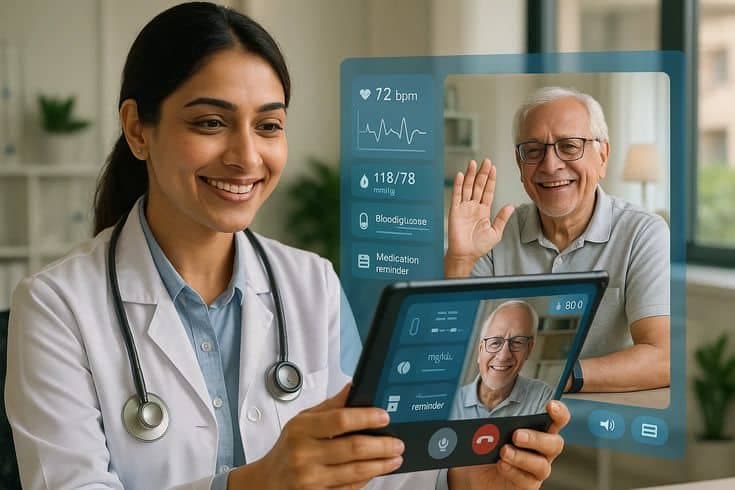
The rise of telemedicine and mobile health platforms has accelerated digital transformation in healthcare. CRMs integrate seamlessly with these solutions, enabling virtual consultations, remote monitoring, and secure sharing of medical records.
Patients can schedule telehealth appointments, receive reminders, and access educational resources directly through mobile apps connected to the CRM. This integration ensures continuity of care, improves access for patients in remote areas, and enhances overall patient experience.
Driving Regulatory Compliance and Security
Healthcare organizations must navigate strict regulations, such as HIPAA, to protect patient data. Modern CRM systems are designed with built-in security and compliance features, including encrypted communication, secure data storage, and audit trails.
By centralizing and securing patient information, CRMs reduce the risk of breaches and ensure compliance with regulatory standards. This not only protects patient privacy but also reinforces trust, a critical factor in the success of digital healthcare initiatives.
Improving Patient Retention and Loyalty
A digitally transformed healthcare organization is one that maintains strong, ongoing relationships with its patients. CRM systems help achieve this by offering personalized communication, proactive engagement, and convenient access to care.
Patients who feel heard, valued, and supported are more likely to remain loyal to their providers, follow treatment plans, and recommend the organization to others. By enhancing patient retention and loyalty, CRMs provide both clinical and business benefits, making them indispensable in modern healthcare.

Conclusion
Digital transformation in healthcare is not just about adopting new technologies—it’s about rethinking how care is delivered, how patients are engaged, and how operations are managed. How CRM Drives Digital Transformation in Healthcare is evident through its ability to enable patient-centered care, streamline operations, provide data-driven insights, enhance communication, and integrate with telehealth solutions.
Investing in a robust healthcare CRM is a strategic move that empowers organizations to deliver superior patient experiences, improve clinical outcomes, and stay competitive in a rapidly evolving industry. By leveraging CRM technology, healthcare providers can fully embrace digital transformation, ensuring that both patients and staff benefit from more efficient, personalized, and connected care.
The Doctorna editorial desk writes about healthcare operations, patient experience and the systems clinics use to connect them.