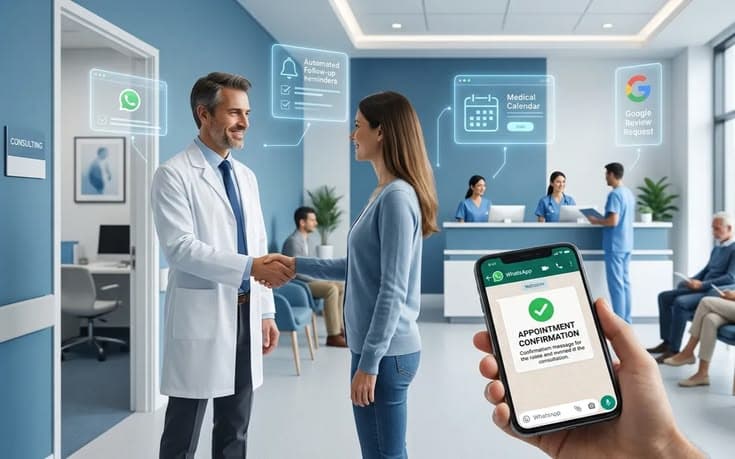
How Healthcare CRM Improves Doctor-Patient Communication
Effective communication between doctors and patients is the cornerstone of high-quality healthcare. Clear, timely, and personalized communication not only enhances


Effective communication between doctors and patients is the cornerstone of high-quality healthcare. Clear, timely, and personalized communication not only enhances patient satisfaction but also improves treatment adherence and overall health outcomes. However, in today’s fast-paced healthcare environment, maintaining consistent and meaningful communication can be challenging.
This is where a Healthcare Customer Relationship Management (CRM) system comes into play. Modern Healthcare CRMs streamline communication, centralize patient information, and provide tools that enable doctors and staff to engage with patients more efficiently and effectively.
In this blog, we explore how Healthcare CRM improves doctor-patient communication and why it is a vital tool for modern clinics and hospitals.
Understanding Healthcare CRM
A Healthcare CRM is a specialized software designed to manage patient interactions, streamline administrative tasks, and facilitate personalized care. Unlike traditional CRMs, a Healthcare CRM is tailored to the needs of healthcare providers, focusing on appointment management, patient engagement, medical history tracking, and communication.
By centralizing patient data and automating routine processes, Healthcare CRMs allow doctors to focus on what matters most: delivering quality care and fostering strong relationships with patients.
1. Centralized Patient Information
One of the key ways Healthcare CRM improves doctor-patient communication is by providing centralized access to patient information. Doctors can:
- Quickly view medical history, lab results, and previous consultations
- Understand patient preferences and communication history
- Identify critical health alerts before consultations
Having all relevant information in one place ensures that doctors can provide informed advice, answer patient questions accurately, and build trust with patients
2. Streamlined Appointment Management
Missed or mismanaged appointments can disrupt communication and patient care. Healthcare CRMs improve appointment management by:
- Offering online booking and rescheduling options
- Sending automated reminders via SMS, email, or mobile apps
- Allowing doctors to track upcoming appointments and prepare accordingly
This seamless appointment process reduces patient anxiety, minimizes scheduling conflicts, and ensures that both doctors and patients are well-prepared for each visit.
3. Enhanced Patient Engagement
Healthcare CRMs enable clinics to engage patients proactively. By maintaining regular communication, doctors can strengthen relationships and ensure better adherence to treatment plans. Features include:
- Automated follow-up messages after consultations or procedures
- Educational content delivery based on patient conditions
- Surveys and feedback collection to understand patient concerns
Regular engagement helps patients feel valued and informed, which fosters trust and encourages active participation in their healthcare journey.
4. Secure Two-Way Communication
Modern Healthcare CRMs provide secure communication channels that allow patients and doctors to interact safely. This includes:
- Encrypted messaging platforms within the CRM
- Secure email communication for sharing test results or medical advice
- HIPAA-compliant mobile apps for instant communication
Secure two-way communication ensures that sensitive health information is protected while allowing patients to ask questions, clarify doubts, and receive timely guidance from their doctors.
5. Personalized Communication
Every patient is unique, and personalized communication is essential for effective doctor-patient interaction. Healthcare CRMs allow doctors to:
- Tailor messages based on patient history and preferences
- Send reminders for specific treatments or follow-ups
- Customize health education content to the patient’s condition
Personalized communication demonstrates care and attention, making patients more receptive to advice and more likely to follow treatment recommendations.
6. Data-Driven Insights
Healthcare CRMs provide analytics that help doctors understand patient behavior and communication effectiveness. By analyzing data, clinics can:
- Identify patients who frequently miss appointments or follow-ups
- Track response rates to messages and reminders
- Optimize communication strategies for better engagement
Data-driven insights allow doctors to proactively address communication gaps, improve patient adherence, and enhance overall healthcare outcomes.
7. Coordinated Care Across Teams
Effective communication isn’t limited to doctor-patient interactions—it also involves coordination among healthcare teams. Healthcare CRMs improve collaboration by:
- Allowing multiple healthcare professionals to access patient information in real time
- Sharing consultation notes, lab results, and treatment plans securely
- Reducing errors caused by miscommunication between staff members
This coordinated approach ensures that patients receive consistent advice and care, which strengthens trust in the healthcare provider.
8. Supporting Telehealth and Remote Consultations
The rise of telehealth has made doctor-patient communication more complex but also more critical. Healthcare CRMs integrate with telehealth platforms to provide:
- Virtual appointment scheduling and reminders
- Secure video consultations and chat options
- Follow-up tracking for remote consultations
By supporting remote care, Healthcare CRMs ensure that patients stay connected with their doctors regardless of location, enhancing accessibility and satisfaction.

Conclusion
Effective doctor-patient communication is essential for patient satisfaction, treatment adherence, and better health outcomes. Healthcare CRM systems play a vital role in improving communication by centralizing patient data, streamlining appointments, enabling secure and personalized interactions, providing data-driven insights, and supporting coordinated care.
Clinics and hospitals that leverage Healthcare CRM technology can strengthen relationships with patients, reduce communication gaps, and foster trust. In the modern healthcare landscape, a well-implemented CRM isn’t just a technological upgrade—it’s a strategic tool that empowers doctors to communicate better, care better, and ultimately deliver a superior patient experience.
The Doctorna editorial desk writes about healthcare operations, patient experience and the systems clinics use to connect them.