

In today’s fast-paced digital healthcare environment, building meaningful and long-lasting relationships with patients has become essential for every healthcare provider. Patients now expect the same level of personalization, convenience, and responsiveness from healthcare organizations that they experience in other industries. To meet these rising expectations, healthcare providers are increasingly turning to Customer Relationship Management (CRM) systems.
A Healthcare CRM is a powerful tool designed to manage patient relationships, streamline communication, and deliver a personalized care experience. By centralizing patient data, automating workflows, and enabling proactive engagement, a healthcare CRM helps providers improve satisfaction, trust, and overall health outcomes.
In this blog, we’ll explore how a healthcare CRM improves patient engagement and why it’s becoming an indispensable part of modern healthcare management.
1. Centralized Patient Information for Personalized Care
One of the biggest challenges in healthcare is managing fragmented patient data across different systems such as electronic health records (EHRs), appointment scheduling tools, and billing software. A healthcare CRM solves this by consolidating all patient data into a centralized, unified platform.
With a complete 360-degree view of each patient’s history—medical records, preferences, appointments, and communication logs—healthcare providers can offer more personalized and relevant care. For example, a doctor can quickly review a patient’s treatment history before an appointment, or a marketing team can send tailored wellness reminders to specific age groups.
Personalization fosters stronger connections between patients and providers. When patients feel understood and valued, they are more likely to stay engaged and committed to their treatment plans.
2. Streamlined Communication Across Multiple Channels
Effective communication is the foundation of patient engagement. A healthcare CRM enables multi-channel communication, allowing providers to connect with patients through email, SMS, phone calls, chatbots, or patient portals—all from one integrated system.
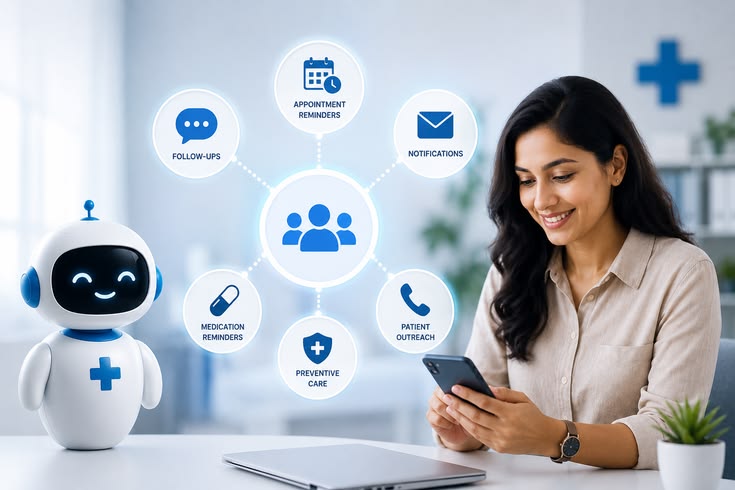
For instance, the CRM can automatically send reminders for upcoming appointments, follow-up messages after visits, or educational content related to a patient’s condition. This ensures patients stay informed and connected throughout their care journey.
Additionally, patients can reach out to providers via their preferred channels, whether it’s text, email, or mobile app messaging. Such convenience improves responsiveness and builds trust between patients and healthcare professionals.
3. Automated Appointment Scheduling and Follow-ups
Missed appointments, delayed follow-ups, and communication gaps can negatively affect patient engagement and health outcomes. A healthcare CRM helps reduce these issues through automation.
The system can automatically schedule appointments, send confirmations, and remind patients of upcoming visits or medication refills. It can also trigger follow-up messages after treatments or tests, ensuring patients stay on track with their care plans.
For example, after a consultation, the CRM might automatically send a survey asking about the patient’s experience or follow up with post-treatment instructions. These consistent, automated touchpoints make patients feel cared for—even outside the clinic walls—strengthening their engagement and loyalty.
4. Proactive Patient Outreach and Preventive Care
A major advantage of healthcare CRMs is their ability to support proactive engagement. Instead of waiting for patients to reach out, healthcare providers can use CRM insights to anticipate needs and initiate communication.
By analyzing patient data and identifying trends, the CRM can highlight patients who are due for annual check-ups, screenings, or vaccinations. Providers can then send personalized reminders encouraging preventive care.
This proactive approach not only improves health outcomes but also positions the healthcare organization as a trusted partner in the patient’s wellness journey. It shows patients that their provider is invested in their ongoing health, not just in treating illnesses.
5. Data-Driven Insights for Better Engagement Strategies
Modern healthcare CRMs are equipped with advanced analytics tools that transform patient data into actionable insights. Providers can track metrics such as appointment attendance, satisfaction levels, communication responsiveness, and treatment adherence.
These insights help healthcare teams identify engagement gaps. For instance, if data shows that a particular age group responds better to text reminders than email, the provider can adjust communication strategies accordingly.
By continuously analyzing data, healthcare organizations can refine their engagement efforts, ensuring patients receive timely, relevant, and effective communication that drives participation and satisfaction.
6. Enhanced Patient Education and Awareness
Patient engagement doesn’t stop at communication—it extends to education and empowerment. A healthcare CRM allows providers to share informative content such as health tips, disease prevention guides, or lifestyle recommendations based on patient profiles.
For example, patients with diabetes might receive educational materials about managing blood sugar levels, while pregnant patients might receive trimester-specific advice and reminders.
Empowering patients with knowledge helps them make informed decisions about their health, adhere to treatment plans, and develop a sense of ownership over their wellness. Educated patients are naturally more engaged and proactive in maintaining their health.
7. Building Trust Through Consistent and Transparent Interactions
Trust is the foundation of any strong patient-provider relationship. A healthcare CRM enhances transparency and reliability by ensuring consistent communication and accurate record-keeping.
Patients appreciate timely updates, quick responses, and smooth coordination between departments. Since CRMs store all communication history and treatment updates, patients never have to repeat information or face miscommunication between staff members.
This consistency builds confidence and reinforces the idea that their healthcare provider truly understands and values them. Over time, this trust translates into higher patient retention and long-term loyalty.
8. Feedback Collection and Continuous Improvement
Modern healthcare CRMs simplify the process of collecting patient feedback. After appointments or treatments, automated surveys can be sent directly to patients to measure satisfaction and identify areas for improvement.
Analyzing this feedback helps healthcare organizations improve their services, train staff, and enhance overall patient experience. Patients who see their feedback being acknowledged and acted upon feel heard and respected—key elements of genuine engagement.
Feedback also provides valuable insights for marketing and outreach efforts, allowing providers to tailor communication and improve future interactions.
9. Integration with Telehealth and Digital Platforms
With the rise of telemedicine, patient engagement has extended beyond physical visits. A healthcare CRM integrates seamlessly with telehealth platforms, allowing providers to manage virtual consultations, follow-ups, and communication in one place.
This integration ensures that whether a patient visits in person or online, their experience remains consistent and connected. Telehealth combined with CRM functionality enables continuous engagement—patients can receive reminders, access digital reports, and communicate easily without geographical barriers.

Final Thoughts
In an era where patient experience defines healthcare success, a Healthcare CRM is no longer a luxury—it’s a necessity. By enabling personalized care, proactive communication, automation, and data-driven insights, CRMs play a pivotal role in improving patient engagement and outcomes.
When patients feel valued, informed, and connected, they are more likely to follow treatment plans, stay loyal to their providers, and recommend services to others.
Healthcare CRMs empower providers to deliver holistic, patient-centered care, transforming interactions into lasting relationships. As healthcare continues to evolve, adopting a robust CRM system is one of the smartest investments providers can make to enhance engagement, loyalty, and overall organizational growth.