
Healthcare is an industry where precision, efficiency, and patient satisfaction are paramount. Yet, administrative tasks often consume a significant portion of medical staff time, reducing the opportunity to focus on patient care. From managing patient records to scheduling appointments, billing, and regulatory compliance, administrative workflows can be complex and time-consuming. Fortunately, modern technology has provided a solution: Healthcare Customer Relationship Management (CRM) systems. These systems are transforming the way healthcare organizations manage administrative processes, ensuring smoother operations and improved patient experiences.
Understanding Healthcare CRM
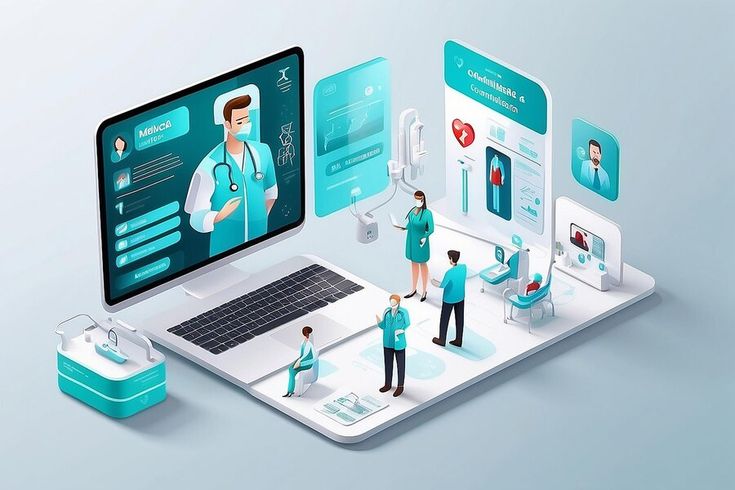
A Healthcare CRM is a software solution designed specifically for the healthcare sector. Unlike traditional CRMs that cater to general businesses, healthcare CRMs address the unique needs of medical practices, hospitals, and clinics. These needs include patient data security, appointment scheduling, billing, and communication. With a centralized platform, healthcare professionals can access and manage all patient interactions, treatment plans, and administrative tasks in one place.
By implementing a Healthcare CRM, organizations can eliminate redundancies, reduce errors, and enhance the overall efficiency of administrative workflows.
Streamlining Patient Scheduling
One of the most time-consuming administrative tasks in healthcare is scheduling appointments. Manual scheduling or using basic calendar tools can lead to double bookings, missed appointments, and frustrated patients. A Healthcare CRM automates this process by offering intelligent scheduling solutions. It can send reminders to patients via SMS or email, allow patients to book or reschedule appointments online, and optimize appointment slots to ensure providers’ time is used efficiently.
This automation not only reduces administrative burden but also improves patient satisfaction by making scheduling more convenient.
Efficient Patient Data Management
Healthcare providers deal with vast amounts of patient data daily, including medical histories, treatment plans, lab results, and billing information. Managing this data manually is prone to errors and inefficiencies. A Healthcare CRM centralizes all patient information in a secure, easily accessible digital repository.
Staff can quickly retrieve medical records, update patient details, and share necessary information among departments without relying on paper files or fragmented systems. This centralized approach simplifies administrative workflows and ensures compliance with healthcare regulations such as HIPAA.
Automating Billing and Insurance Claims
Billing and insurance claims are another administrative challenge for healthcare organizations. Errors in billing or delayed insurance claims can cause financial losses and patient dissatisfaction. Healthcare CRMs simplify this process by integrating billing functionalities and insurance claim management.
The CRM can automatically generate invoices, track payments, and even handle recurring billing for long-term treatments. It also allows administrators to monitor claim statuses, reducing follow-ups and minimizing delays. By automating these processes, healthcare organizations can focus more on patient care rather than paperwork.
Enhancing Communication Across Departments
Communication gaps between departments can slow down administrative workflows and compromise patient care. A Healthcare CRM ensures seamless communication by providing internal messaging systems, task assignments, and notifications.
For example, when a patient requires lab tests or specialist consultations, staff can quickly share records and treatment plans within the CRM. This reduces miscommunication, prevents duplication of work, and ensures that all teams are aligned in providing patient-centered care.
Reducing Manual Documentation
Healthcare professionals often spend hours filling out forms, updating patient charts, and documenting care processes. These repetitive tasks can lead to burnout and reduce time spent with patients. Healthcare CRMs incorporate digital forms and automated documentation tools that reduce manual data entry.
Electronic health records (EHR) integration allows patient data to be updated automatically across the system, ensuring accuracy and consistency. By minimizing manual documentation, healthcare staff can dedicate more time to meaningful patient interactions.
Data-Driven Administrative Insights
Another advantage of a Healthcare CRM is its ability to provide analytics and reports. Administrative staff can generate insights on patient flow, appointment patterns, billing cycles, and staff performance.
For example, if the CRM shows frequent appointment cancellations on specific days, the administration can adjust schedules to optimize efficiency. Data-driven insights allow healthcare organizations to proactively address bottlenecks, improve workflow processes, and allocate resources more effectively.
Ensuring Regulatory Compliance
Healthcare organizations must comply with strict regulations related to patient data, billing, and reporting. A Healthcare CRM simplifies compliance by maintaining detailed audit trails, securing sensitive data, and ensuring that all administrative actions are traceable.
Automated reminders for license renewals, insurance verification, and regulatory reporting reduce the risk of penalties and legal complications. In this way, administrative workflows are not only simplified but also safer and more reliable.
In today’s fast-paced healthcare environment, administrative efficiency is as crucial as clinical excellence. How Healthcare CRM Simplifies Administrative Workflows is clear: it automates routine tasks, centralizes patient data, enhances communication, streamlines billing, and provides actionable insights. By reducing manual workload, healthcare staff can focus more on patient care, improving outcomes and satisfaction.
Implementing a Healthcare CRM is no longer a luxury—it is a necessity for modern healthcare organizations seeking operational efficiency and superior patient experiences. By embracing this technology, medical practices and hospitals can ensure that administrative workflows are smooth, accurate, and efficient, benefiting both staff and patients alike.