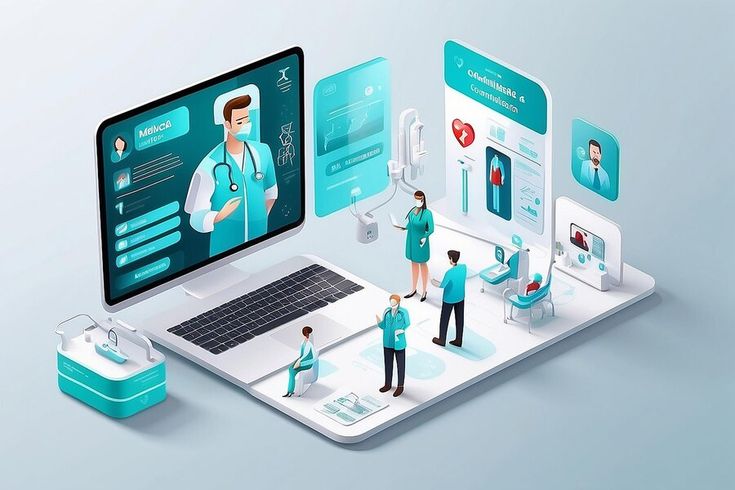


In today’s healthcare environment, the relationship between doctors and patients is evolving. Patients no longer see healthcare providers merely as caregivers; they expect personalized experiences, timely communication, and continuous engagement. This shift has highlighted the importance of healthcare Customer Relationship Management (CRM) systems. How Healthcare CRM Strengthens Doctor–Patient Connections is a topic gaining attention as medical institutions increasingly turn to technology to enhance patient care, satisfaction, and loyalty.
Understanding Healthcare CRM
Healthcare CRM is a software solution designed to manage and improve interactions between healthcare providers and patients. Unlike traditional administrative tools, healthcare CRMs focus on building long-term relationships, not just managing appointments or billing. They centralize patient data, track interactions, automate follow-ups, and provide actionable insights to help healthcare providers deliver personalized care.
The primary goal of a healthcare CRM is to ensure that every patient feels valued and understood. This is particularly important in a time when patients have access to a wide array of healthcare options. A strong doctor–patient connection can significantly influence treatment adherence, patient satisfaction, and overall health outcomes.
Personalized Communication
One of the most powerful ways healthcare CRMs strengthen doctor–patient connections is through personalized communication. These systems collect and analyze patient data, including medical history, preferences, and past interactions. With this information, healthcare providers can tailor messages, reminders, and educational content to meet individual patient needs.
For instance, automated appointment reminders sent via email or SMS can include personal details like the doctor’s name and the purpose of the visit. Follow-up messages can provide tailored advice on managing chronic conditions or recovery tips post-treatment. By addressing patients personally and providing relevant information, CRMs enhance trust and engagement.
Improved Appointment Management
Missed appointments are a common challenge in healthcare. Not only do they disrupt the clinic’s schedule, but they can also negatively impact patient outcomes. Healthcare CRMs address this by offering seamless appointment management solutions. Patients can schedule, reschedule, or cancel appointments online, receive timely reminders, and even get suggestions for available slots.
This convenience reduces friction in the patient experience and allows doctors to focus more on providing care rather than administrative tasks. When patients feel that their time is valued, the relationship with their healthcare provider naturally strengthens.
Enhanced Patient Education
Patients are more likely to adhere to treatment plans when they understand the purpose and benefits of their care. Healthcare CRMs can support this by delivering educational content tailored to each patient’s condition and stage of treatment.
For example, a patient recovering from surgery might receive step-by-step recovery instructions, medication reminders, and lifestyle tips. Chronic disease patients can get updates on disease management strategies or alerts about potential risks. By empowering patients with knowledge, CRMs promote proactive engagement and a sense of partnership between doctors and patients.
Streamlined Feedback and Surveys
Feedback is crucial for building stronger doctor–patient relationships. Healthcare CRMs can automate surveys and collect patient opinions about their experiences, treatment outcomes, and satisfaction levels. This data helps doctors understand patient concerns and identify areas for improvement.
Moreover, patients appreciate when their feedback leads to visible changes in care delivery. By actively listening and responding to patient needs, healthcare providers foster trust and reinforce the perception that patients are valued partners in their healthcare journey.
Data-Driven Insights for Better Care
A healthcare CRM not only manages interactions but also analyzes patient data to provide actionable insights. For instance, CRMs can identify patients at risk of missing follow-ups, track medication adherence, and highlight trends in patient health outcomes.
Doctors can use this information to proactively reach out to patients who need extra attention, ensuring timely interventions and preventing potential health complications. This level of care and attentiveness builds strong, lasting relationships between healthcare providers and patients.
Integration with Telemedicine
The rise of telemedicine has transformed patient engagement. Healthcare CRMs integrate seamlessly with telehealth platforms, allowing doctors to maintain continuity of care regardless of physical location. Patients can receive reminders for virtual consultations, access post-appointment summaries, and communicate securely with their doctors.
This integration ensures that patients feel connected to their healthcare providers even outside traditional clinic visits, reinforcing trust and convenience.

Conclusion
The healthcare industry is experiencing a profound shift toward patient-centered care. In this landscape, building strong doctor–patient connections is no longer optional—it’s essential. Healthcare CRM systems play a critical role in strengthening these relationships by enabling personalized communication, improving appointment management, enhancing patient education, streamlining feedback, and providing data-driven insights.
By leveraging a healthcare CRM, medical institutions not only improve operational efficiency but also foster meaningful, lasting connections with their patients. These systems empower healthcare providers to deliver care that is responsive, personalized, and compassionate, ultimately transforming the patient experience for the better.
Investing in a robust healthcare CRM is, therefore, an investment in stronger doctor–patient relationships and higher patient satisfaction, creating a win-win scenario for both patients and healthcare providers.