How Modern Healthcare CRM Improves Patient Satisfaction
In the ever-evolving healthcare industry, patient satisfaction has become a critical measure of a clinic or hospital’s success. With patients


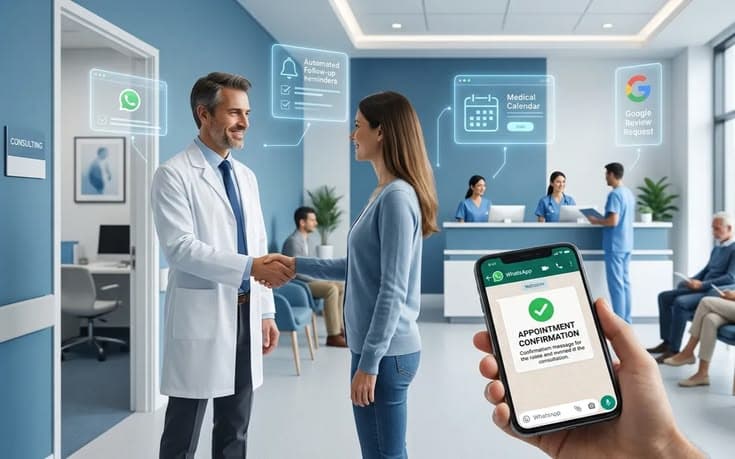
In the ever-evolving healthcare industry, patient satisfaction has become a critical measure of a clinic or hospital’s success. With patients expecting more personalized, efficient, and transparent care, healthcare providers are turning to modern Healthcare Customer Relationship Management (CRM) systems to meet these demands. But how exactly does a Healthcare CRM improve patient satisfaction? Let’s explore the key ways this technology is transforming patient experiences and boosting overall clinic performance.
Understanding Healthcare CRM
A Healthcare CRM is a specialized system designed to manage patient interactions, streamline operations, and improve communication between healthcare providers and patients. Unlike traditional CRM systems used in other industries, a Healthcare CRM focuses on patient-centric processes, including appointment scheduling, medical record management, patient engagement, and follow-up care.
By centralizing patient data and automating routine tasks, Healthcare CRMs allow clinics to deliver timely, personalized, and efficient care, directly contributing to higher patient satisfaction.
1. Personalized Patient Communication
Modern patients expect healthcare providers to understand their individual needs and preferences. Healthcare CRMs enable clinics to:
- Send personalized appointment reminders via SMS, email, or app notifications
- Provide tailored health tips and educational content based on patient history
- Track patient preferences and communication history for a more personal approach
By using CRM data to customize communication, clinics can make patients feel valued, reduce confusion, and enhance trust in their healthcare provider.
2. Efficient Appointment Scheduling and Management
Long wait times and complicated scheduling processes are major sources of patient frustration. Modern Healthcare CRMs help improve patient satisfaction by:
- Allowing patients to book, reschedule, or cancel appointments online
- Sending automated reminders to reduce no-shows
- Optimizing staff schedules to minimize wait times and ensure smooth operations
With a seamless appointment experience, patients feel respected and cared for, which significantly boosts their overall satisfaction.
3. Improved Access to Patient Records
Patients increasingly expect easy access to their health information. A Healthcare CRM improves patient satisfaction by providing:
- Centralized electronic medical records (EMR) that can be accessed securely
- Quick retrieval of lab results, prescriptions, and visit summaries
- Tools for patients to update personal information and track their treatment history
This transparency empowers patients, enhances engagement, and ensures they are informed participants in their own care journey.
4. Proactive Patient Engagement
Patient satisfaction is not just about interactions during visits; it’s about ongoing engagement. Healthcare CRMs enable proactive care by:
- Sending reminders for routine check-ups, vaccinations, or preventive screenings
- Automating follow-up messages after treatments or procedures
- Tracking patient interactions to identify those who may need extra support
Proactive engagement shows patients that their healthcare provider cares about their wellbeing beyond the clinic walls, fostering loyalty and satisfaction.
5. Streamlined Billing and Financial Transparency
Billing issues can create significant dissatisfaction for patients. Healthcare CRMs address this by:
- Generating accurate, detailed invoices automatically
- Offering online payment options and reminders for outstanding balances
- Ensuring transparency in insurance claims and coverage
By simplifying the billing process, patients experience fewer frustrations and develop greater confidence in their provider.
6. Data-Driven Insights for Better Care
Modern Healthcare CRMs collect and analyze patient data to help providers make informed decisions. By leveraging insights from patient interactions, treatment outcomes, and feedback, clinics can:
- Identify areas where care delivery can be improved
- Personalize treatment plans based on patient history and preferences
- Address patient concerns promptly before they escalate
This data-driven approach ensures patients receive high-quality, tailored care, which directly translates to higher satisfaction levels.
7. Enhancing Coordination Between Staff
Patient satisfaction is often influenced by the efficiency and professionalism of clinic staff. A Healthcare CRM improves coordination by:
- Providing a centralized platform for all staff members to access patient information
- Facilitating internal communication between doctors, nurses, and administrative staff
- Reducing errors caused by miscommunication or missing information
Better coordination leads to smoother operations, shorter wait times, and a more positive patient experience overall.

Conclusion
In today’s patient-centered healthcare environment, clinics and hospitals cannot afford to overlook the importance of patient satisfaction. A modern Healthcare CRM is a powerful tool that enhances communication, streamlines appointments, improves access to medical records, engages patients proactively, simplifies billing, and provides actionable insights for better care.
By implementing a Healthcare CRM, providers can not only improve patient experiences but also build stronger relationships, foster trust, and encourage patient loyalty. Ultimately, investing in a modern Healthcare CRM is investing in happier, healthier patients and the long-term success of the clinic.
The Doctorna editorial desk writes about healthcare operations, patient experience and the systems clinics use to connect them.