

Healthcare organizations handle numerous activities every day, from patient registration and appointment scheduling to medical records, billing, communication, and follow-up care. Managing these processes manually can consume time and create challenges for both healthcare professionals and administrative teams. Patient management software provides a centralized digital solution that can help organize these activities and improve the overall delivery of healthcare services.
By connecting important patient and administrative workflows, patient management systems can support more efficient operations, better communication, and a smoother experience for patients.
Streamlines Patient Registration
Patient registration is often the first interaction between a patient and a healthcare organization. Traditional paper-based registration can require staff to manually collect, organize, and enter information.
Patient management software can simplify this process through digital registration forms. Patient information can be captured electronically and stored within a centralized system, reducing paperwork and repetitive data entry.
A more organized registration process can help reduce waiting times and allow staff to focus on other important responsibilities.
Improves Appointment Scheduling
Managing appointments efficiently is essential for clinics and healthcare facilities. Manual scheduling can result in overlapping bookings, missed appointments, and unnecessary communication.
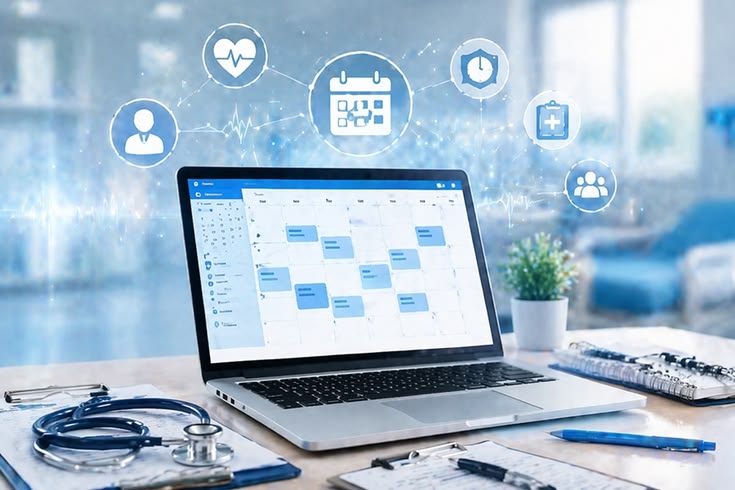
Patient management software can provide centralized appointment calendars that allow staff to view availability, schedule visits, and manage cancellations or rescheduling.
Automated appointment confirmations and reminders can also help keep patients informed. These features can reduce administrative workload while supporting better appointment management.
Organizes Patient Records
Healthcare professionals need access to accurate and relevant patient information when providing care. Searching through physical files or disconnected systems can delay workflows.
A patient management system can organize important information within a centralized digital environment. Depending on the platform, records may include patient demographics, appointment history, clinical notes, treatment information, prescriptions, and other relevant data.
Authorized users can access information according to their roles, helping improve the availability and organization of patient records.
Enhances Communication
Effective communication between healthcare organizations and patients is essential for delivering a smooth healthcare experience. Patient management software can support communication through automated notifications, reminders, messages, and other digital channels.
Patients can receive information about appointments, follow-up activities, required documents, or other relevant updates. Automated communication can also reduce the need for staff to manually contact every patient.
Supports Better Patient Follow-Up
Follow-up care is an important part of many healthcare services. Patients may need reminders for future appointments, tests, treatments, or routine checkups.
Patient management software can help healthcare teams organize follow-up schedules and create reminders based on predefined workflows. This can reduce the possibility of routine follow-up tasks being overlooked.
A structured follow-up process can also help healthcare organizations maintain better continuity of communication with patients.
Reduces Administrative Work
Healthcare staff often spend significant time performing repetitive administrative tasks. These activities can include entering patient information, updating schedules, sending reminders, preparing reports, and managing documentation.
Automation and centralized workflows can reduce the amount of manual work required. By handling routine processes digitally, staff can spend more time on tasks that require direct interaction, decision-making, and patient support.
Improves Billing Management
Financial administration is another important area of healthcare operations. Patient management software may include features for invoices, payments, billing records, and insurance-related information.
Connecting patient and billing information can reduce duplicate data entry and help staff manage financial workflows more systematically.
The exact capabilities depend on the software and its integrations, but centralized financial information can improve visibility and administrative efficiency.
Supports Healthcare Team Coordination
Healthcare delivery often involves multiple staff members and departments. Poor coordination can result in delays or incomplete information.
A centralized patient management platform can help authorized teams access relevant information and coordinate activities. Reception teams can manage appointments, healthcare professionals can review patient information, and administrative teams can handle related financial or operational tasks.
Connecting these workflows can create a more organized environment.
Provides Useful Reports and Analytics
Healthcare organizations need reliable information to evaluate their operations. Patient management software can provide reports related to appointments, patient activity, service usage, communication, and other operational metrics.
These insights can help managers identify bottlenecks, monitor trends, and make informed decisions about resources and workflows.
Data-driven reporting can also help organizations understand where processes can be improved.
Enhances Patient Experience
The overall patient experience is influenced by many factors, including waiting times, communication, appointment convenience, and access to information.
Patient management software can help create a smoother journey by simplifying registration, improving appointment scheduling, providing timely reminders, and organizing communication.
When routine processes are easier to manage, healthcare teams can provide more consistent service to patients.
Supports Data Security and Privacy
Healthcare organizations handle sensitive patient information, making data security a critical consideration. Modern patient management platforms can include features such as user authentication, role-based access, audit trails, encryption, and secure data storage, depending on the system.
Organizations should select software that supports applicable privacy and healthcare regulations and establish appropriate security policies for its use.
Supports Long-Term Healthcare Operations
As healthcare organizations grow, managing increasing numbers of patients, appointments, records, and administrative activities can become more complex. A scalable patient management system can help organizations adapt to changing operational requirements.
Integration with EMR systems, billing platforms, communication tools, telehealth applications, and other healthcare technologies can further extend the value of a patient management platform.
Patient management software can enhance healthcare services by streamlining registration, appointment scheduling, patient records, communication, follow-up, billing, reporting, and administrative workflows. By bringing important processes together within a centralized digital environment, healthcare organizations can improve efficiency while creating a more convenient experience for patients.
Successful implementation depends on selecting a solution that matches the organization’s workflows, security requirements, integration needs, and future growth plans. With appropriate technology and staff training, patient management software can become an important part of modern and connected healthcare services.