
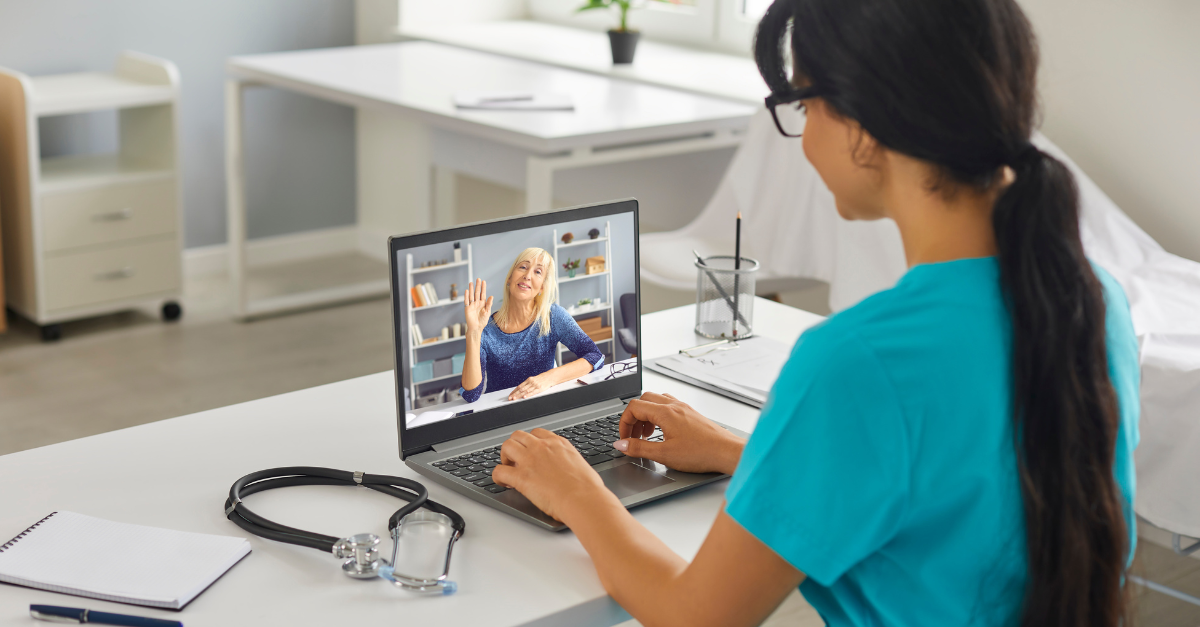
The healthcare industry is undergoing a digital revolution, driven by the rapid adoption of telehealth and the growing demand for seamless patient experiences. As virtual consultations become a core part of healthcare delivery, integrating Customer Relationship Management (CRM) systems with telehealth platforms has become essential.
A well-integrated CRM-telehealth system allows healthcare providers to manage patient data, streamline communication, and personalize care—all from one unified platform. This integration not only boosts efficiency but also improves patient engagement, satisfaction, and outcomes.
In this blog, we’ll explore why integrating CRM with telehealth matters, the key benefits it brings, and how healthcare organizations can achieve a smooth and efficient integration.
Understanding CRM and Telehealth Integration
A Healthcare CRM is a centralized system designed to manage patient interactions, appointments, follow-ups, and communications throughout the patient lifecycle. On the other hand, a telehealth platform enables virtual consultations, remote monitoring, and digital communication between providers and patients.
When these two systems work separately, information becomes fragmented—appointments may not sync, communication records get lost, and patient histories remain incomplete. Integration bridges this gap by allowing data to flow seamlessly between both platforms.
For example, when a patient books a telehealth appointment, the CRM automatically updates their profile with the new consultation details, stores communication logs, and sends follow-up reminders—all without manual intervention.
This connectivity leads to efficient workflows, personalized care, and improved patient management.
Why Integrating CRM With Telehealth Platforms Matters
1. Unified Patient Information
Integration ensures that all patient information—medical history, appointment records, prescriptions, and communication logs—is stored in one centralized system. Providers can access complete patient profiles before a virtual visit, allowing for more informed consultations and better continuity of care.
2. Streamlined Operations
Without integration, administrative teams often need to manually enter telehealth appointment data into the CRM, wasting time and increasing the risk of errors. Integration automates these tasks, reducing duplication and freeing up staff to focus on patient engagement rather than data entry.
3. Enhanced Patient Engagement
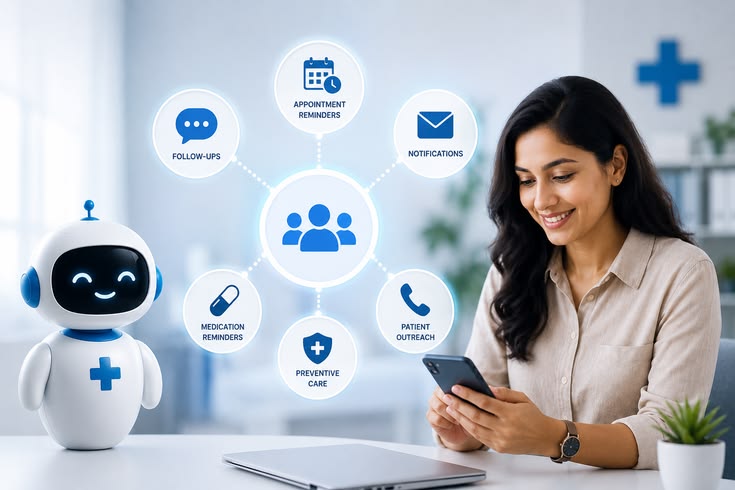
When CRMs and telehealth platforms work together, patients enjoy a smoother experience—from booking an appointment to receiving follow-up reminders or personalized health tips. Automated workflows ensure consistent communication, which keeps patients engaged and satisfied.
4. Better Data Insights
A combined CRM and telehealth system allows healthcare organizations to analyze data from both physical and virtual interactions. This helps identify trends in patient behavior, evaluate telehealth usage, and refine care strategies for improved outcomes.
5. Compliance and Security
Integrating the two systems ensures data is exchanged securely and in compliance with healthcare regulations such as HIPAA or GDPR. Access control, encryption, and audit logs help maintain patient privacy while ensuring transparency.
Steps to Integrate CRM With Telehealth Platforms Efficiently
Efficient integration requires strategic planning, the right technology, and clear coordination between IT teams, healthcare providers, and administrators. Here’s a step-by-step approach to achieving successful CRM-telehealth integration:
1. Define Your Integration Goals
Before diving into technical implementation, healthcare organizations must identify their integration objectives. Common goals include:
- Automating appointment scheduling and reminders
- Syncing patient data between systems
- Tracking telehealth consultations within CRM profiles
- Generating unified analytics reports
Clear objectives ensure that the integration is purpose-driven and aligns with your organizational needs.
2. Choose Compatible Systems
Not all CRMs and telehealth platforms are built to integrate smoothly. Choose systems that offer open APIs (Application Programming Interfaces) or pre-built connectors to simplify integration.
For instance, CRMs like Salesforce Health Cloud, HubSpot, or Zoho CRM often come with healthcare extensions and integration options for popular telehealth tools such as Zoom for Healthcare, Doxy.me, or Amwell.
The key is ensuring both platforms can communicate securely and exchange data formats efficiently.
3. Map Data and Workflows
Determine how data should move between the systems. This includes mapping patient identifiers, appointment details, consultation notes, and billing information.
For example:
- When a patient books a telehealth session, the CRM automatically creates or updates their record.
- Consultation notes entered in the telehealth system sync back to the CRM.
- The CRM triggers follow-up reminders or satisfaction surveys after the consultation.
This mapping ensures data consistency across all platforms, reducing redundancy and confusion.
4. Ensure Data Security and Compliance
Since healthcare involves sensitive information, integration must adhere to strict security standards. Work with IT and compliance teams to ensure:
- End-to-end encryption during data transfer
- Role-based access control (RBAC) within both systems
- Regular audits and monitoring of data exchange
- Compliance with local and international regulations (HIPAA, GDPR, etc.)
Strong security not only protects patients but also strengthens the organization’s credibility and trustworthiness.
5. Automate Key Workflows
Once integration is established, automation can take efficiency to the next level. Examples include:
- Automated scheduling: Patients can book telehealth sessions directly through CRM-based portals.
- Reminders and follow-ups: The CRM sends automated emails, SMS, or WhatsApp messages before and after appointments.
- Post-consultation care: Personalized messages or prescription updates are delivered automatically based on patient records.
Automation minimizes manual errors and ensures every patient receives consistent communication throughout their care journey.
6. Test and Optimize the Integration
Before launching full-scale integration, conduct thorough testing to ensure smooth data flow and functional reliability. Involve both IT specialists and end-users (doctors, nurses, and administrators) in the testing process to gather feedback.
Monitor system performance, resolve bottlenecks, and continuously refine workflows to enhance efficiency and user experience.
7. Train Staff and Promote Adoption
Even the most sophisticated system can fail without proper user adoption. Provide training sessions for healthcare staff to understand how the integrated CRM-telehealth system works.
Ensure that teams are comfortable with new workflows, know where to find patient data, and understand data security best practices. Continuous support and updates encourage staff to embrace the system fully.
Benefits of a Successful CRM-Telehealth Integration
When implemented efficiently, CRM-telehealth integration transforms how healthcare providers operate and interact with patients. Key benefits include:
- Improved Patient Satisfaction: Patients enjoy personalized communication, faster scheduling, and seamless digital care experiences.
- Increased Productivity: Automation reduces manual work, allowing healthcare professionals to focus on quality care.
- Better Clinical Insights: Unified analytics enable data-driven decision-making and continuous performance improvement.
- Enhanced Revenue Cycle Management: Real-time data synchronization simplifies billing, insurance claims, and financial tracking.
- Long-Term Patient Loyalty: Consistent engagement through CRM-powered communication fosters stronger patient relationships.
The Future of CRM and Telehealth Integration

As healthcare technology evolves, CRM-telehealth integration will become even more intelligent and connected. Emerging innovations such as AI, predictive analytics, and wearable device integration will further personalize virtual care experiences.
Imagine a future where a patient’s wearable device data (like heart rate or glucose levels) flows directly into the CRM and telehealth system, triggering proactive alerts and personalized outreach from healthcare providers.
This level of automation and data-driven care will redefine patient engagement and make healthcare more preventive, personalized, and efficient.
Final Thoughts
Integrating CRM systems with telehealth platforms is no longer a luxury—it’s a necessity for modern healthcare organizations aiming to deliver connected, efficient, and patient-centered care.
When done right, this integration bridges the gap between technology and compassion, helping providers stay informed, patients stay engaged, and organizations stay competitive.
By following the right strategies—defining goals, ensuring data security, automating workflows, and empowering staff—healthcare institutions can create a truly integrated ecosystem that enhances both care delivery and operational performance.