
How to Integrate Wearables With Healthcare CRM
The rise of wearable devices has transformed the healthcare landscape. From smartwatches tracking heart rate to fitness bands monitoring sleep

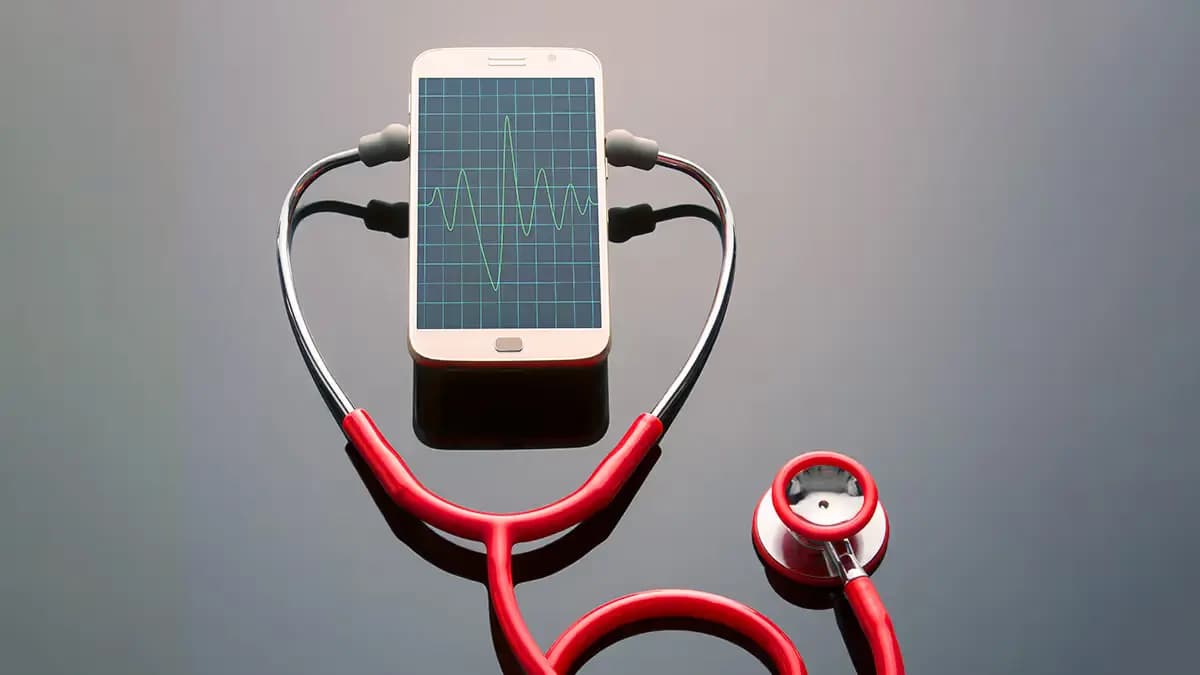
The rise of wearable devices has transformed the healthcare landscape. From smartwatches tracking heart rate to fitness bands monitoring sleep patterns, wearables provide continuous, real-time health data. For healthcare providers, this is a goldmine of insights — but only if the data can be effectively captured, analyzed, and acted upon. Integrating wearable devices with a Healthcare Customer Relationship Management (CRM) system bridges this gap, enabling personalized care, early risk detection, and improved patient engagement.
Understanding the Role of Wearables in Healthcare
Wearable devices collect a wide range of health metrics, such as:
- Heart rate and blood pressure
- Blood oxygen levels (SpO₂)
- Glucose levels (for diabetic patients)
- Sleep patterns and activity tracking
- Stress levels and recovery metrics
While this data is valuable, it often exists in silos — within mobile apps, device dashboards, or cloud platforms. Without integration into a centralized system like a healthcare CRM, clinicians cannot access a complete view of a patient’s health, nor can they make timely, data-driven decisions.
Why Integrate Wearables With Healthcare CRM?
Integrating wearables with a healthcare CRM offers multiple advantages:
- Real-Time Monitoring: Continuous data feeds allow healthcare providers to monitor patients outside clinical settings.
- Early Risk Detection: Anomalies in vitals can trigger alerts for early intervention.
- Personalized Care: Treatment plans can be adjusted based on real-world patient data.
- Enhanced Patient Engagement: Patients feel more connected to their care journey when their wearable data is monitored by clinicians.
- Improved Outcomes: Proactive management of chronic conditions reduces hospitalizations and complications.
A CRM becomes the central hub that collects, organizes, and analyzes wearable data, ensuring actionable insights are delivered to healthcare teams promptly.
Steps to Integrate Wearables With Healthcare CRM
1. Choose Compatible Wearables and CRM
The first step is selecting devices that provide reliable, accurate health metrics and a CRM that supports integration. Many healthcare CRMs offer APIs (Application Programming Interfaces) that facilitate seamless data transfer from wearables.
Ensure the CRM can handle high volumes of streaming data, accommodate diverse device types, and maintain compatibility with patient portals and mobile apps. For example, Apple Health, Fitbit, and Garmin devices can all be integrated with platforms that support FHIR (Fast Healthcare Interoperability Resources) or HL7 standards.
2. Establish Secure Data Connections
Security and privacy are critical in healthcare. Wearable data must comply with regulations like HIPAA (in the U.S.) or GDPR (in Europe). Use encrypted connections and secure authentication protocols when transmitting data from wearables to the CRM.
For example, OAuth 2.0 authentication ensures that wearable apps share data only with authorized CRM systems, protecting sensitive patient information.
3. Define Data Mapping and Standardization
Wearables often generate raw data in different formats. Integrating this data into a CRM requires standardization so it can be interpreted correctly.
Data mapping involves:
- Converting wearable metrics (like steps, heart rate, or glucose readings) into CRM-compatible fields
- Tagging data with timestamps, patient IDs, and device identifiers
- Creating uniform units of measurement for consistent analysis
This ensures that clinicians can view and analyze wearable data alongside EHR records and other patient information.
4. Implement Automated Alerts and Workflows
Once data flows into the CRM, the system can trigger automated alerts and workflows based on predefined thresholds.
For instance:
- A patient’s heart rate exceeds safe levels → alert sent to clinician
- Blood glucose reading drops below threshold → automated care team notification
- Abnormal sleep patterns detected → patient receives lifestyle recommendations
Automation ensures timely interventions without manual monitoring, enhancing patient safety and care quality.
5. Enable Analytics and Insights
Healthcare CRMs with integrated analytics can turn wearable data into actionable insights. Using AI and machine learning, the system can identify patterns, predict risks, and suggest interventions.
For example, trends in heart rate variability over weeks may indicate potential cardiac risks. By combining wearable data with historical medical records, the CRM can provide predictive health insights, allowing clinicians to adjust care plans proactively.
6. Integrate With Patient Portals and Mobile Apps
Patients benefit when their wearable data is visible within CRM-connected portals or mobile apps. This integration enhances engagement by allowing patients to:
- Track their progress
- Receive personalized alerts
- Communicate with healthcare providers
Patient involvement in their own health journey improves adherence to care plans and encourages preventive behavior.
Benefits of Integrating Wearables With Healthcare CRM
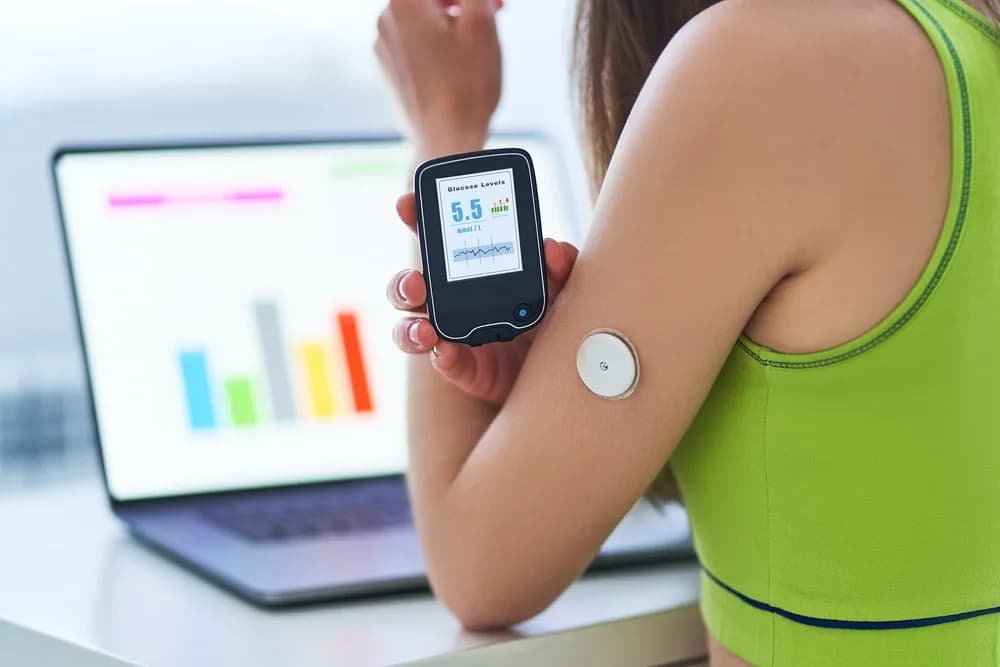
The integration of wearables with a CRM offers multiple benefits for both providers and patients:
- Continuous Monitoring: Clinicians can monitor patient health 24/7 without requiring hospital visits.
- Early Intervention: Abnormal readings trigger alerts, reducing emergency situations.
- Personalized Care Plans: Treatment is adjusted based on real-world data rather than periodic checkups alone.
- Improved Patient Engagement: Patients feel empowered when they see their data being used in care decisions.
- Data-Driven Population Health Management: Aggregated wearable data can inform trends and preventive strategies across patient populations.
Conclusion
The integration of wearable devices with healthcare CRMs represents a significant step forward in patient-centered care. By combining continuous monitoring, real-time alerts, predictive analytics, and patient engagement tools, healthcare providers can deliver proactive, personalized care that improves outcomes and enhances efficiency.
As wearable adoption continues to grow, integrating this data into healthcare CRMs will become not just an advantage but a necessity. By creating a seamless connection between devices and patient management platforms, providers can harness the full potential of digital health technology — transforming data into actionable insights that improve lives.
The Doctorna editorial desk writes about healthcare operations, patient experience and the systems clinics use to connect them.