
Access to healthcare can sometimes be challenging because of distance, transportation limitations, busy schedules, mobility concerns, or limited availability of healthcare services. Digital healthcare technologies are helping address some of these challenges by making healthcare interactions more convenient. Among these technologies, video consultations provide a practical way for patients to communicate with healthcare professionals remotely.
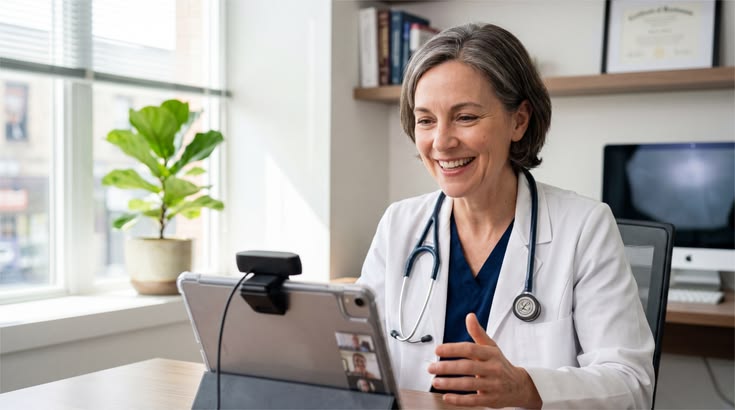
Video consultations allow patients to attend eligible healthcare appointments through secure digital platforms without always needing to travel to a healthcare facility. When appropriately implemented, they can improve accessibility, support continuity of care, and make certain healthcare services more convenient for patients.
Reducing Travel Barriers
One of the biggest advantages of video consultations is the ability to access healthcare remotely. Patients who live far from healthcare facilities may otherwise need to spend considerable time and money traveling for appointments.
With a video consultation, eligible patients can communicate with a healthcare professional from a convenient location using an internet-connected device. This can be particularly useful for follow-up appointments, routine discussions, consultations, and situations where a physical examination is not necessary.
Reducing unnecessary travel can make healthcare more accessible to people who face geographical barriers.
Supporting Patients With Mobility Challenges
Traveling to a healthcare facility may be difficult for some patients with mobility limitations or temporary physical challenges. Video consultations can reduce the need for physical travel when remote care is clinically appropriate.
Patients may be able to participate in consultations from their home, reducing the physical effort associated with transportation, parking, and navigating healthcare facilities.
This can create a more comfortable experience while helping patients maintain communication with their healthcare team.
Making Healthcare More Convenient
Modern lifestyles can make it difficult for patients to attend every healthcare appointment in person. Work commitments, family responsibilities, education, and other obligations can create scheduling challenges.
Video consultations can provide greater flexibility for appropriate healthcare interactions. Patients may not need to spend additional time traveling to and from a clinic or hospital.
This convenience can encourage patients to seek professional guidance when needed and maintain scheduled follow-ups.
Improving Access to Specialists
Specialist healthcare may not always be available close to every patient’s location. In some circumstances, patients may need to travel to another city or region to access a particular specialist.
Video consultations can help connect patients with healthcare professionals who provide remote consultations. This can expand access to expertise when an in-person examination is not required.
Remote specialist consultations can also support collaboration between healthcare professionals, allowing information to be discussed across locations when appropriate.
Supporting Follow-Up Care
Healthcare accessibility is not only about the first consultation. Ongoing follow-up is also important for many patients.
Video consultations can make certain follow-up interactions easier to attend. Healthcare professionals may use remote appointments to discuss progress, review information, provide guidance, or determine whether an in-person visit is required.
By reducing unnecessary travel for appropriate follow-ups, video consultations can support continuity of care.
Helping Busy Patients
Patients with demanding schedules may postpone healthcare appointments because attending an in-person visit can require significant time.
Remote consultations can make some healthcare interactions easier to fit into daily routines. Patients may be able to attend an eligible consultation without taking extensive time away from work or other responsibilities.
Greater convenience can encourage patients to remain engaged with their healthcare and seek advice when appropriate.
Supporting Rural and Underserved Communities
People living in rural or underserved areas may experience greater difficulty accessing certain healthcare services. Distance and limited local resources can create barriers to timely consultations.
Video healthcare platforms can help connect patients in these communities with healthcare professionals located elsewhere, provided they have suitable internet access and the service is clinically appropriate.
Although video consultations cannot replace every type of healthcare service, they can provide an additional access option for suitable conditions and situations.
Improving Continuity of Care
Continuity is an important part of effective healthcare. Patients may need to communicate with healthcare professionals several times during their care journey.
Video consultations can provide another channel for maintaining communication between visits. Healthcare providers can use remote consultations to support follow-up discussions and monitor progress where clinically suitable.
Integrated digital healthcare platforms can also connect video consultations with appointment scheduling, patient records, communication tools, and other healthcare technologies.
Supporting Family Participation
In some situations, family members or caregivers play an important role in a patient’s healthcare journey. Remote consultations may make it easier for authorized family members or caregivers to participate when appropriate.
For example, a caregiver who cannot easily travel to a healthcare facility may be able to join a consultation remotely, subject to patient consent and privacy requirements.
This can improve communication and help ensure that important information is understood by those involved in supporting the patient.
Accessibility Through Digital Healthcare Platforms
The effectiveness of video consultations depends heavily on the technology used. Healthcare platforms should provide simple interfaces, reliable video and audio, secure communication, and compatibility with commonly used devices.
Accessibility should also be considered during platform design. Clear instructions, easy navigation, language support, captions where appropriate, and technical assistance can help more patients use digital healthcare services confidently.
Privacy and Security Matter
While video consultations improve accessibility, privacy and security must remain priorities. Healthcare organizations should use appropriate security controls to protect patient information during remote consultations.
Secure authentication, encrypted communication, controlled access, and responsible handling of patient data are important components of a trustworthy video consultation platform.
Patients should also understand how the consultation works and use a private environment whenever possible.
The Future of Accessible Healthcare
Video consultations are becoming an important part of modern healthcare delivery. They can reduce travel barriers, support patients with mobility challenges, improve convenience, connect patients with specialists, and strengthen follow-up care.
However, remote consultations are not suitable for every medical situation. Emergencies, physical examinations, diagnostic procedures, and other services may require in-person care.
When used appropriately alongside traditional healthcare services, video consultations can create a more flexible and accessible healthcare system. As digital healthcare technology continues to develop, secure and user-friendly video consultation platforms can help healthcare organizations deliver more convenient, connected, and patient-centered care.