
Improving Patient Satisfaction Through Healthcare CRM-Driven Communication
Patient satisfaction has become a cornerstone of modern healthcare. Satisfied patients are more likely to adhere to treatment plans, attend

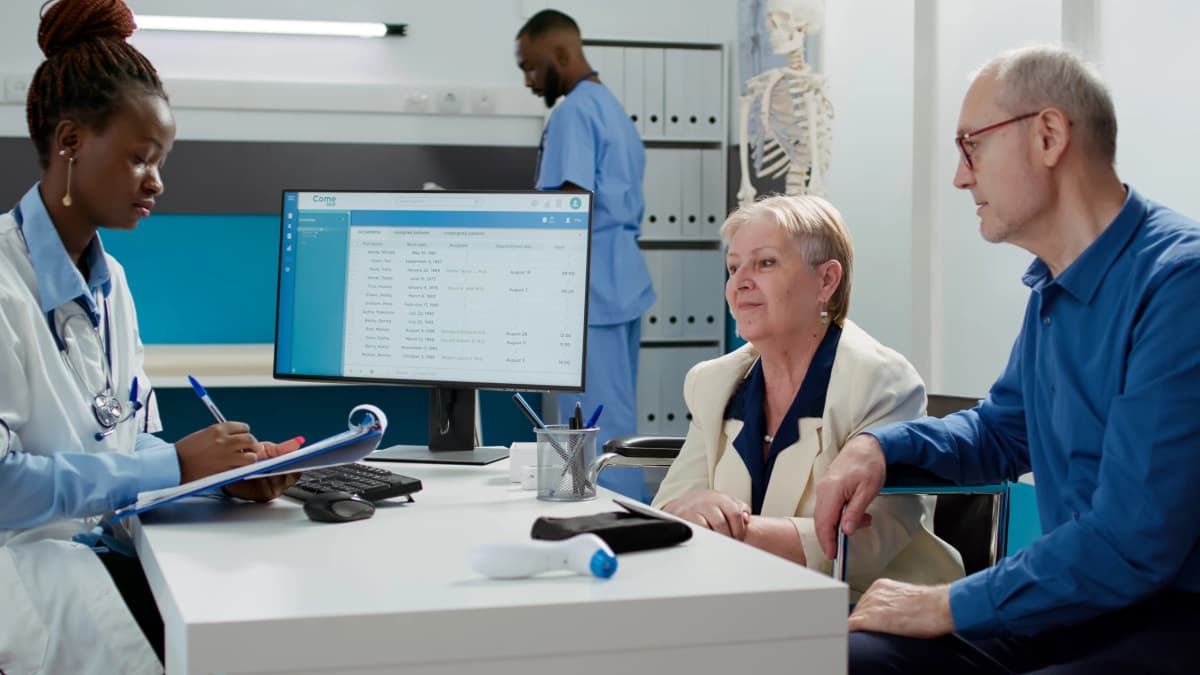
Patient satisfaction has become a cornerstone of modern healthcare. Satisfied patients are more likely to adhere to treatment plans, attend regular appointments, and recommend healthcare providers to friends and family. In an increasingly competitive healthcare landscape, enhancing patient satisfaction is not just desirable—it is essential for practice growth and reputation. One of the most effective ways to achieve this is by improving patient satisfaction through healthcare CRM-driven communication.
Understanding Healthcare CRM
Healthcare Customer Relationship Management (CRM) systems are specialized platforms designed to centralize patient data, streamline communication, and enhance engagement. Unlike generic CRMs used in other industries, healthcare CRMs are tailored to meet the unique demands of medical practices, integrating seamlessly with electronic health records (EHRs), appointment scheduling systems, billing platforms, and telehealth services.
By leveraging these systems, healthcare providers can gain a holistic view of each patient’s journey, enabling timely, personalized, and meaningful communication that directly impacts patient satisfaction.
The Importance of Communication in Patient Satisfaction
Effective communication is fundamental to patient satisfaction. Patients who feel heard, informed, and valued are more likely to trust their healthcare providers and remain loyal to a practice. Poor communication, on the other hand, can lead to misunderstandings, missed appointments, and dissatisfaction, negatively affecting both patient outcomes and organizational reputation.
Healthcare CRM-driven communication enhances patient interaction in several ways:
- Personalized Engagement
Healthcare CRM systems allow providers to tailor communication based on individual patient data, including medical history, treatment plans, and preferences. Personalized messages—such as appointment reminders, follow-up instructions, or wellness tips—demonstrate care and attentiveness, fostering a stronger patient-provider relationship. - Timely and Automated Communication
Missed appointments and delayed follow-ups are common issues that impact patient satisfaction. Healthcare CRM platforms can automate reminders through email, SMS, or app notifications, ensuring patients stay informed about upcoming appointments, lab results, or preventive screenings. Automation reduces administrative burden and improves patient adherence to care plans. - Two-Way Communication Channels
Modern healthcare CRMs provide platforms for two-way communication, enabling patients to ask questions, request appointments, or provide feedback directly to their healthcare team. This real-time interaction empowers patients, enhances transparency, and builds trust—key factors in overall satisfaction. - Proactive Health Communication
Healthcare CRM systems can leverage predictive analytics to identify patients who may need extra attention, such as those at risk of chronic disease complications or missing follow-ups. Proactive communication, including reminders, educational materials, or wellness check-ins, ensures that patients feel supported and valued, improving their overall experience. - Consistent Multi-Channel Communication
Patients interact with healthcare providers across multiple channels—phone calls, emails, SMS, mobile apps, or patient portals. A healthcare CRM consolidates these interactions into a single system, ensuring consistent messaging and preventing information gaps. This unified approach reinforces reliability and professionalism, enhancing patient satisfaction.
Real-World Applications
Many healthcare organizations have successfully utilized CRM-driven communication to boost patient satisfaction:
- Primary Care Practices send automated wellness reminders and preventive care tips, ensuring patients remain engaged and proactive about their health.
- Specialty Clinics use CRM platforms to provide targeted follow-up communication for chronic disease management, helping patients adhere to treatment plans.
- Dental and Cosmetic Clinics leverage CRM-driven notifications and personalized offers to encourage regular visits and maintain patient loyalty.
Benefits of Healthcare CRM-Driven Communication
- Enhanced Patient Experience – Personalized, timely, and relevant communication makes patients feel valued and understood.
- Improved Appointment Adherence – Automated reminders and follow-ups reduce no-shows and ensure continuity of care.
- Stronger Patient Relationships – Consistent and proactive communication fosters trust and loyalty.
- Operational Efficiency – Automating communication reduces administrative workload, allowing staff to focus on quality care.
- Better Health Outcomes – Engaged patients are more likely to follow treatment plans and preventive care recommendations, improving overall health results.
Best Practices for Implementing CRM-Driven Communication
- Centralize Patient Data – Ensure all patient interactions and history are recorded in the CRM for accurate and personalized communication.
- Segment Patient Populations – Tailor communication based on demographics, medical conditions, or visit frequency to deliver relevant messages.
- Automate Where Possible – Use automated reminders and follow-ups while maintaining a personal touch to enhance efficiency.
- Monitor and Analyze – Track communication effectiveness using CRM analytics to refine strategies and improve engagement.
- Ensure Compliance – Adhere to privacy regulations like HIPAA to maintain patient trust and safeguard sensitive information.

Conclusion
In the modern healthcare environment, patient satisfaction is a critical determinant of success. Improving patient satisfaction through healthcare CRM-driven communication allows providers to deliver personalized, timely, and proactive interactions that foster trust, loyalty, and engagement. By integrating CRM systems into daily operations, healthcare organizations can enhance patient experiences, streamline workflows, and ultimately achieve better health outcomes.
Investing in healthcare CRM-driven communication is not just a technological upgrade; it is a strategic approach to patient-centered care. Practices that prioritize effective communication through CRM solutions are better positioned to retain patients, improve satisfaction scores, and maintain a competitive edge in the healthcare market.
The Doctorna editorial desk writes about healthcare operations, patient experience and the systems clinics use to connect them.