

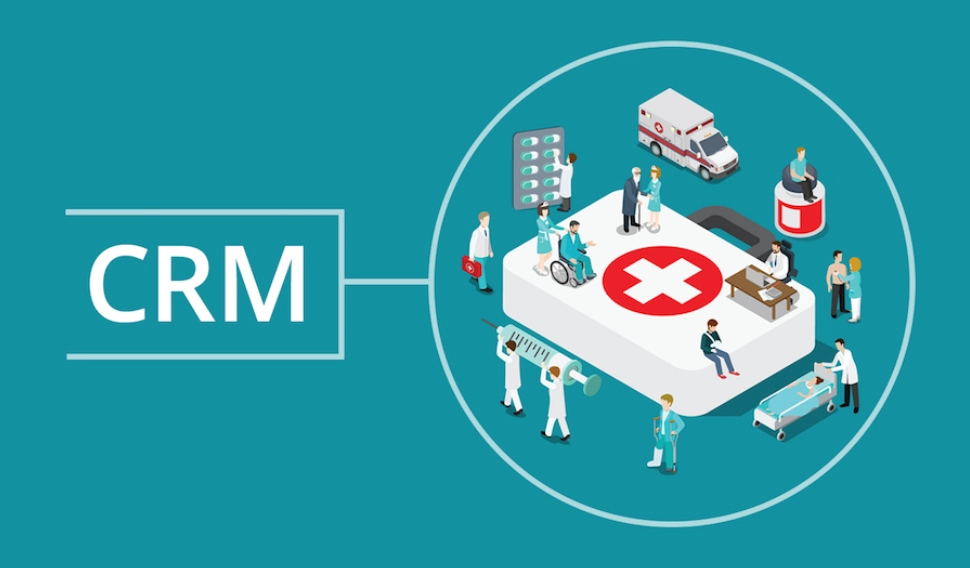
In today’s rapidly digitizing healthcare landscape, data security and privacy are top priorities. With hospitals, clinics, and healthcare organizations increasingly relying on Customer Relationship Management (CRM) systems to manage patient interactions, the protection of sensitive information has never been more critical. One of the most effective methods for maintaining data integrity and security in medical CRMs is Role-Based Access Control (RBAC).
RBAC ensures that the right people have access to the right information—no more, no less. It’s an approach that not only strengthens cybersecurity but also improves operational efficiency and compliance. This article explores the concept of Role-Based Access Control in medical CRMs, how it works, why it’s essential, and the benefits it brings to healthcare organizations.
What Is Role-Based Access Control (RBAC)?
Role-Based Access Control (RBAC) is a security model that restricts system access based on a user’s role within an organization. Instead of granting access to every employee equally, permissions are assigned according to job responsibilities.
For instance, in a hospital setting:
- A doctor may have access to patient medical records and treatment plans.
- A nurse might access medication details and daily care logs.
- A billing officer could view payment and insurance information but not medical notes.
- An administrator oversees all modules for system management but doesn’t edit clinical data.
By structuring access this way, RBAC ensures that each user can only see or modify the data necessary to perform their duties, minimizing the risk of data breaches and human error.
Why Role-Based Access Control Matters in Medical CRMs
Healthcare organizations handle vast amounts of confidential information daily — from patient histories to insurance data. Without strict access controls, such data could easily be misused, compromised, or accidentally altered.
Medical CRMs, which centralize patient relationship management, appointment scheduling, marketing, and reporting, are especially vulnerable if proper controls aren’t implemented. RBAC plays a vital role in ensuring data confidentiality, integrity, and compliance with privacy regulations like HIPAA (Health Insurance Portability and Accountability Act) in the U.S. and GDPR (General Data Protection Regulation) in Europe.
Let’s look at why RBAC is crucial for modern medical CRM systems.
1. Protecting Sensitive Patient Information
Healthcare data is among the most valuable and sensitive types of information. Unauthorized access—even accidental—can have serious legal, financial, and ethical consequences.
By implementing RBAC, medical CRMs ensure that only authorized personnel can view, modify, or share specific data. For instance, marketing teams can access anonymized patient engagement reports, but they cannot open detailed medical records.
This fine-grained access control significantly reduces the risk of data leaks, identity theft, and internal misuse, ensuring that patient trust remains intact.
2. Enhancing Compliance and Legal Accountability
Data protection regulations require healthcare organizations to implement strict access controls and maintain detailed audit trails. RBAC supports compliance by defining clear boundaries for each role and logging every user’s activity.
If a data breach occurs, the CRM system can trace who accessed what information and when, providing a transparent audit trail for investigations. This level of accountability helps healthcare providers stay compliant with HIPAA, GDPR, and other local healthcare data laws, thereby avoiding penalties and reputational damage.
3. Streamlining Workflow and Efficiency
RBAC is not just about security—it’s also about improving operational efficiency. When employees only see information relevant to their role, their workflows become more streamlined and less cluttered.
For example:
- Front-desk staff can focus on scheduling and patient registration.
- Physicians can quickly access treatment histories without navigating billing modules.
- Administrators can monitor overall system performance without interfering in medical operations.
By eliminating unnecessary data exposure and simplifying system navigation, RBAC helps teams work faster, make better decisions, and minimize errors.
4. Reducing the Risk of Insider Threats
While external cyberattacks often make headlines, insider threats—whether intentional or accidental—pose an equally significant risk. Employees with broad system access might inadvertently delete files, share data improperly, or fall victim to phishing scams.
RBAC limits these risks by implementing the principle of least privilege (PoLP), ensuring users only have access to what they absolutely need. This reduces the potential damage in case of insider misuse or compromised accounts.
Furthermore, when employees leave or change roles, their access privileges can be quickly updated or revoked, maintaining continuous data security.
5. Facilitating Interdepartmental Collaboration
While RBAC limits access, it doesn’t hinder collaboration. Instead, it enhances communication by ensuring every department works with accurate, relevant information.
For example, when a patient’s treatment plan changes, doctors and nurses can see the update immediately, while the billing department receives only the necessary cost-related information. This ensures real-time coordination without breaching confidentiality.
In this way, RBAC strikes a balance between security and efficiency, enabling smooth collaboration while safeguarding sensitive data.
6. Enabling Scalable and Flexible Security Management
Healthcare organizations often experience frequent staff rotations, new hires, or role changes. Without RBAC, managing user permissions can become chaotic and error-prone.
A role-based model simplifies this process by assigning predefined access levels to each role. When a new employee joins, administrators simply assign the appropriate role instead of manually setting permissions.
As the organization grows, adding new roles or modifying access levels becomes easy and consistent across the CRM system. This scalability ensures that security evolves with the institution’s needs.
7. Supporting Data Integrity and Auditability
RBAC also protects data integrity, ensuring that only qualified professionals modify clinical or administrative information. When unauthorized users can’t alter data, the chances of errors or inconsistencies decrease dramatically.
Moreover, all actions performed within the CRM are logged. These audit logs help in identifying patterns, detecting anomalies, and demonstrating compliance during inspections or audits.
This not only strengthens internal governance but also fosters transparency—a key component of trustworthy healthcare systems.
Implementing RBAC in Medical CRMs: Best Practices
For RBAC to be effective, it must be thoughtfully planned and executed. Here are some best practices:
- Define Clear Roles: Identify and categorize job functions (doctor, nurse, admin, billing, etc.) before assigning permissions.
- Use the Principle of Least Privilege: Always start with minimal access and expand permissions only as necessary.
- Conduct Regular Audits: Review user roles and permissions periodically to detect outdated or inappropriate access.
- Automate Access Management: Integrate role assignment into onboarding and offboarding processes.
- Educate Staff: Ensure all users understand their access rights and the importance of data security.
These measures ensure that RBAC implementation remains robust, adaptable, and aligned with evolving compliance standards.

Final Thoughts
Role-Based Access Control (RBAC) is no longer a luxury—it’s a necessity in modern medical CRM systems. By aligning access privileges with responsibilities, healthcare organizations can protect sensitive data, maintain regulatory compliance, and improve operational efficiency.
In a world where data breaches can compromise patient trust and organizational credibility, RBAC offers a structured, reliable defense. It ensures that healthcare professionals can deliver the best care possible—securely, efficiently, and confidently.
As medical CRMs continue to evolve, integrating advanced access controls like RBAC will remain a cornerstone of safe, smart, and compliant healthcare management.