
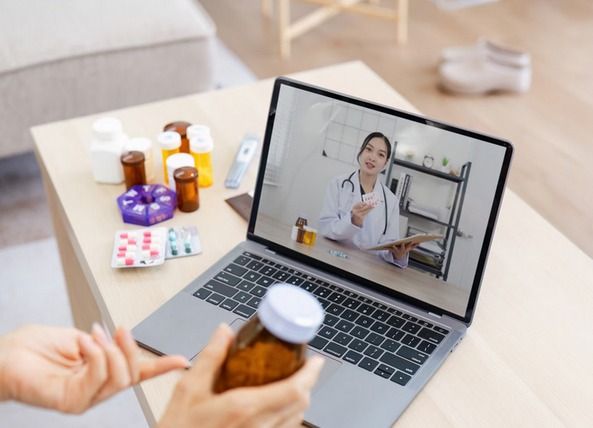
Telehealth has become an important part of modern healthcare, allowing patients to connect with healthcare professionals through digital communication technologies. Instead of requiring every consultation to take place in a healthcare facility, telehealth can provide access to certain healthcare services through video consultations, phone calls, secure messaging, and other digital platforms.
The Telehealth Benefits for Patients and Providers extend beyond convenience. When appropriately implemented, telehealth can improve access to care, support ongoing communication, reduce unnecessary travel, and help healthcare providers manage certain aspects of patient care more efficiently.
What Is Telehealth?
Telehealth refers to the delivery of healthcare services through digital and telecommunications technologies. It can include virtual consultations, remote patient monitoring, digital communication, health education, and follow-up care.
The type of telehealth service available depends on the healthcare provider, patient’s condition, technology, and applicable healthcare regulations. While telehealth can be useful for many situations, some medical conditions still require an in-person examination or treatment.
Convenient Access to Healthcare
One of the major benefits of telehealth is convenience. Patients may be able to communicate with healthcare professionals without traveling to a clinic or hospital for every consultation.
This can be particularly helpful for people who live far from healthcare facilities, have limited mobility, have busy schedules, or need routine follow-up care.
By reducing the need for certain physical visits, telehealth can make healthcare access more flexible.
Reduces Travel and Waiting Time
Traditional healthcare appointments may involve travel, traffic, parking, and waiting room time. Telehealth can reduce some of these challenges by allowing eligible consultations to take place remotely.
Patients can attend a virtual appointment from an appropriate private location using a smartphone, tablet, or computer.
This can save time for patients and may also help healthcare providers organize consultations more efficiently.
Supports Continuity of Care
Regular communication can be important for patients managing ongoing health needs. Telehealth can support follow-up consultations and communication between in-person appointments when clinically appropriate.
Healthcare professionals can use virtual consultations to discuss progress, review certain information, provide general guidance, or determine whether an in-person visit is necessary.
This can help maintain continuity of care while giving patients additional ways to remain connected with their healthcare team.
Benefits for Patients in Remote Areas
People living in rural or remote areas may have limited access to certain healthcare professionals or specialized services. Telehealth can help reduce geographical barriers by connecting patients with providers who may be located elsewhere.
Although telehealth cannot replace every form of medical care, it can provide an additional pathway to healthcare information and professional consultation where appropriate.
This can be particularly valuable when specialist access or frequent travel presents challenges.
Greater Flexibility for Providers
Telehealth can also provide benefits for healthcare professionals. Virtual consultations can give providers additional flexibility in managing certain appointments and follow-up interactions.
Depending on the healthcare setting, telehealth may help providers organize their schedules and communicate with patients without requiring every interaction to occur in a physical consultation room.
Digital systems can also support communication and information sharing between healthcare teams when appropriate security measures are in place.
Remote Patient Monitoring
Remote patient monitoring is another important area of telehealth. Connected devices can allow certain health measurements to be collected while patients remain at home.
Depending on the patient’s needs, devices may monitor measurements such as blood pressure, blood glucose, heart rate, or oxygen levels.
Healthcare professionals can review relevant information and determine whether changes require further attention. Remote monitoring can support ongoing care for selected patients when used under appropriate clinical guidance.
Supports Chronic Condition Management
Patients with certain chronic health conditions may require regular monitoring and follow-up. Telehealth can provide an additional way for healthcare professionals to maintain communication with these patients.
Virtual consultations can be used to discuss symptoms, review relevant health information, provide education, and support care plans where suitable.
The exact role of telehealth depends on the patient’s condition and the healthcare provider’s clinical judgment.
Improves Healthcare Communication
Telehealth platforms can provide multiple ways for patients and healthcare professionals to communicate. Video consultations, secure messaging, and digital notifications can make certain interactions more convenient.
Clear communication is essential in healthcare. Digital tools can help patients receive appointment information, follow-up instructions, educational resources, and other appropriate updates.
Healthcare organizations should ensure that communication platforms use appropriate security and privacy protections.
Can Reduce Unnecessary In-Person Visits
Not every healthcare interaction requires a physical examination. Some follow-up discussions, routine consultations, medication-related conversations, and general healthcare communications may be suitable for telehealth.
When a virtual consultation is clinically appropriate, it can reduce unnecessary travel and help patients receive timely professional guidance.
However, healthcare providers must determine when an in-person assessment is necessary. Telehealth should complement, rather than replace, appropriate physical healthcare.
Patient Convenience and Comfort
Some patients may feel more comfortable discussing certain concerns from a familiar environment. Telehealth can provide greater flexibility and may reduce some of the stress associated with traveling to a healthcare facility.
Patients can also save time by avoiding unnecessary commuting and waiting.
A reliable internet connection, suitable device, and private environment are important for creating a comfortable virtual consultation.
Importance of Privacy and Security
Because telehealth involves digital communication and potentially sensitive health information, privacy and security are essential.
Healthcare organizations should use secure platforms, appropriate authentication methods, access controls, and data protection practices. Patients should also use private environments and trusted devices when participating in virtual consultations.
Healthcare providers must follow applicable privacy, security, and healthcare regulations when delivering telehealth services.
Limitations of Telehealth
Although telehealth provides many advantages, it is not suitable for every healthcare situation. Some conditions require physical examinations, diagnostic procedures, emergency treatment, or specialized equipment that cannot be provided remotely.
Technical problems, limited internet access, digital literacy, and privacy concerns can also affect the telehealth experience.
Healthcare providers should assess each situation carefully and determine whether virtual or in-person care is most appropriate.
The Future of Telehealth
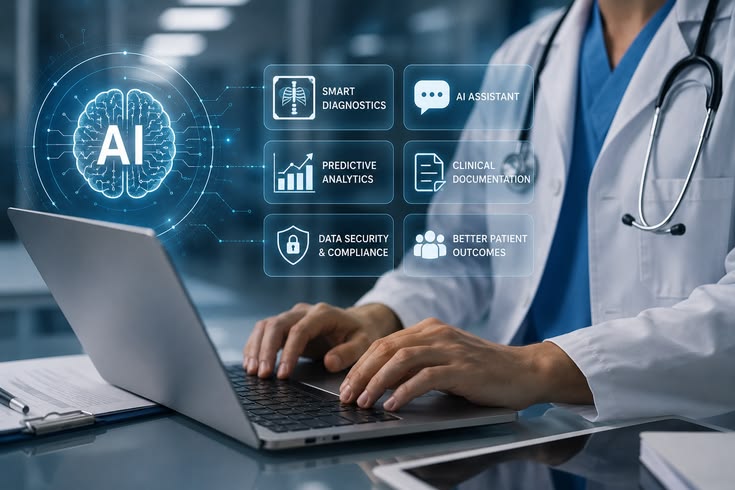
Telehealth is expected to remain an important part of modern healthcare as digital technologies continue to develop. Artificial intelligence, wearable devices, remote monitoring systems, electronic health records, and healthcare applications may create additional opportunities for connected care.
The future of telehealth will likely focus on combining digital convenience with high-quality clinical care. Technology can provide useful tools, but healthcare professionals will continue to play a central role in diagnosis, treatment, decision-making, and patient support.