
The Future of CRM-Integrated Wearable Health Devices
In today’s data-driven healthcare landscape, technology is redefining the way providers interact with patients. One of the most promising advancements

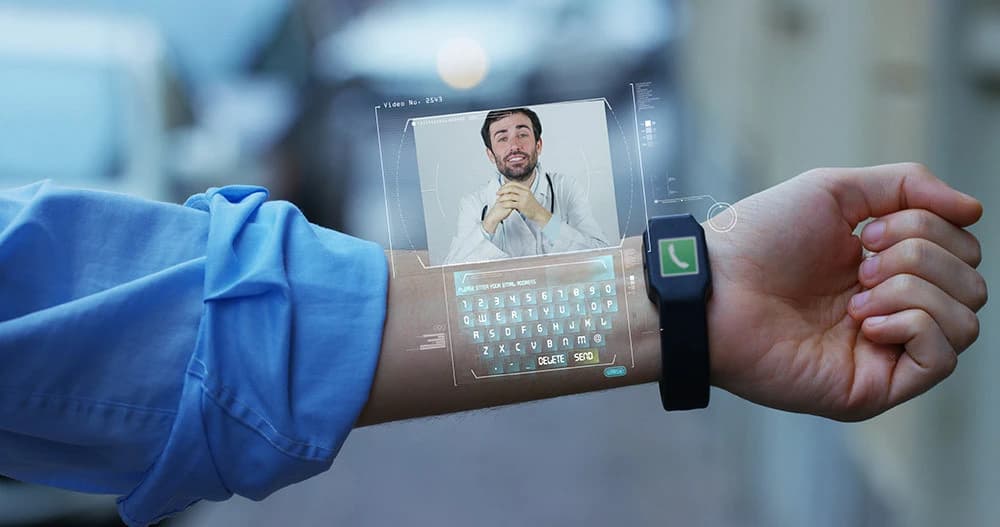
In today’s data-driven healthcare landscape, technology is redefining the way providers interact with patients. One of the most promising advancements is the integration of Customer Relationship Management (CRM) systems with wearable health devices. From fitness trackers to smartwatches, wearables collect continuous streams of health data—heart rate, sleep patterns, oxygen levels, and activity metrics. When this data is synchronized with a CRM platform, it opens new horizons for personalized healthcare, proactive monitoring, and predictive analytics.
The future of CRM-integrated wearable health devices is not just about collecting data—it’s about transforming that data into actionable insights that empower healthcare providers and enhance patient outcomes.
The Power of Integration: How Wearables and CRM Work Together
Traditionally, healthcare CRMs focused on storing patient data, managing appointments, tracking interactions, and streamlining communication. However, when integrated with wearable technology, CRMs evolve into dynamic, intelligent platforms capable of real-time patient engagement.
For instance, wearable devices continuously gather biometric data. Once connected to a CRM, this data is automatically uploaded and analyzed to create a comprehensive patient profile. Healthcare professionals can then access live updates on patient vitals, receive alerts for abnormal readings, and intervene before a condition worsens.
Imagine a cardiologist being notified through the CRM when a patient’s heart rate spikes unexpectedly or a diabetic patient’s glucose levels deviate from safe parameters. This level of connectivity bridges the gap between remote monitoring and active care delivery.
Benefits of CRM-Integrated Wearable Health Devices
1. Enhanced Patient Engagement
With CRM-integrated wearables, patients become active participants in their health journey. Real-time data tracking, personalized insights, and automated reminders help individuals stay informed and motivated. Healthcare providers can send tailored messages, wellness tips, or follow-up recommendations directly through the CRM, strengthening the provider-patient relationship.
2. Proactive and Predictive Healthcare
The combination of CRM analytics and wearable data enables healthcare organizations to move from reactive to proactive care. Predictive algorithms can identify potential health risks before they escalate. For example, continuous monitoring might detect early signs of hypertension or irregular heart rhythms, allowing physicians to take timely preventive measures.
3. Streamlined Data Management
Integrating wearables with CRM centralizes all patient data into a single ecosystem. This eliminates manual data entry and ensures accuracy. The CRM automatically organizes, analyzes, and presents the data through visual dashboards, making it easier for clinicians to interpret health trends.
4. Personalized Treatment Plans
CRM-integrated wearables empower healthcare providers to design customized care plans based on individual lifestyle data. For instance, activity levels and sleep patterns recorded by wearables can guide personalized exercise routines, dietary advice, or medication adjustments, resulting in more effective outcomes.
5. Improved Operational Efficiency
From scheduling automated check-ins to triggering alerts for follow-up care, CRMs automate many administrative processes. This reduces the workload on healthcare staff and enhances patient satisfaction. Hospitals and clinics can use this technology to track patient progress efficiently and allocate resources strategically.
Real-World Applications in Healthcare
1. Chronic Disease Management
Wearable devices integrated with healthcare CRMs can significantly improve chronic disease management. Patients with diabetes, heart disease, or respiratory disorders benefit from continuous monitoring and data-driven care plans. Providers can track medication adherence and detect potential complications early.
2. Remote Patient Monitoring
In the post-pandemic world, remote care has become essential. Wearables connected to CRM systems allow clinicians to monitor patients outside the hospital setting. Whether it’s post-surgery recovery or elderly care, healthcare teams can ensure safety and comfort from afar.
3. Preventive Health and Wellness Programs
Fitness centers, corporate wellness programs, and insurance companies are adopting CRM-integrated wearables to promote healthy lifestyles. Real-time feedback, rewards, and engagement campaigns keep participants motivated and reduce healthcare costs over time.
The Role of AI and Big Data
Artificial Intelligence (AI) and Big Data analytics will play a crucial role in the future of CRM-integrated wearable health devices. AI-driven CRMs can analyze large volumes of wearable data to uncover patterns and predict potential health issues.
For instance:
- AI-powered insights: Identify behavioral trends and early warning signs of diseases.
- Predictive analytics: Forecast patient needs based on historical and real-time data.
- Automated communication: Trigger personalized messages, appointment reminders, or lifestyle recommendations.
These advancements turn CRM platforms into intelligent health assistants capable of offering continuous care beyond clinic walls.
Challenges and Considerations
While the future looks promising, there are challenges to overcome:
- Data privacy and security: Wearable devices generate sensitive health data. Ensuring compliance with regulations like HIPAA and GDPR is vital.
- Interoperability: Different wearable brands and healthcare systems must be compatible with CRM platforms.
- Patient adoption: Encouraging patients to use wearables consistently requires user-friendly design and clear value propositions.
Healthcare providers and developers must address these challenges through secure infrastructure, seamless integration, and transparent data policies.
What the Future Holds
The convergence of wearable technology and CRM systems represents the next frontier of healthcare innovation. As IoT (Internet of Things) evolves, the network of connected health devices will grow exponentially, feeding CRMs with real-time, personalized data. This will pave the way for precision medicine, where treatments are tailored not only to medical history but also to lifestyle and behavioral patterns.
Moreover, future CRM systems may incorporate virtual health assistants, blockchain-based data sharing, and AI-driven diagnostics, creating a fully connected ecosystem for patient-centered care.
In essence, CRM-integrated wearable health devices are not just technological tools—they are the foundation of a smarter, more proactive, and compassionate healthcare system.

Conclusion
The fusion of CRM systems and wearable health devices is revolutionizing how healthcare providers engage, monitor, and care for patients. By leveraging real-time data and intelligent analytics, healthcare organizations can improve patient outcomes, reduce costs, and enhance overall experience. As this integration matures, it promises a future where healthcare is more connected, predictive, and personalized than ever before.
The Doctorna editorial desk writes about healthcare operations, patient experience and the systems clinics use to connect them.