
The Future of Healthcare: AI-Driven CRM Solutions
The healthcare industry is on the brink of a technological revolution, with artificial intelligence (AI) reshaping the way care is

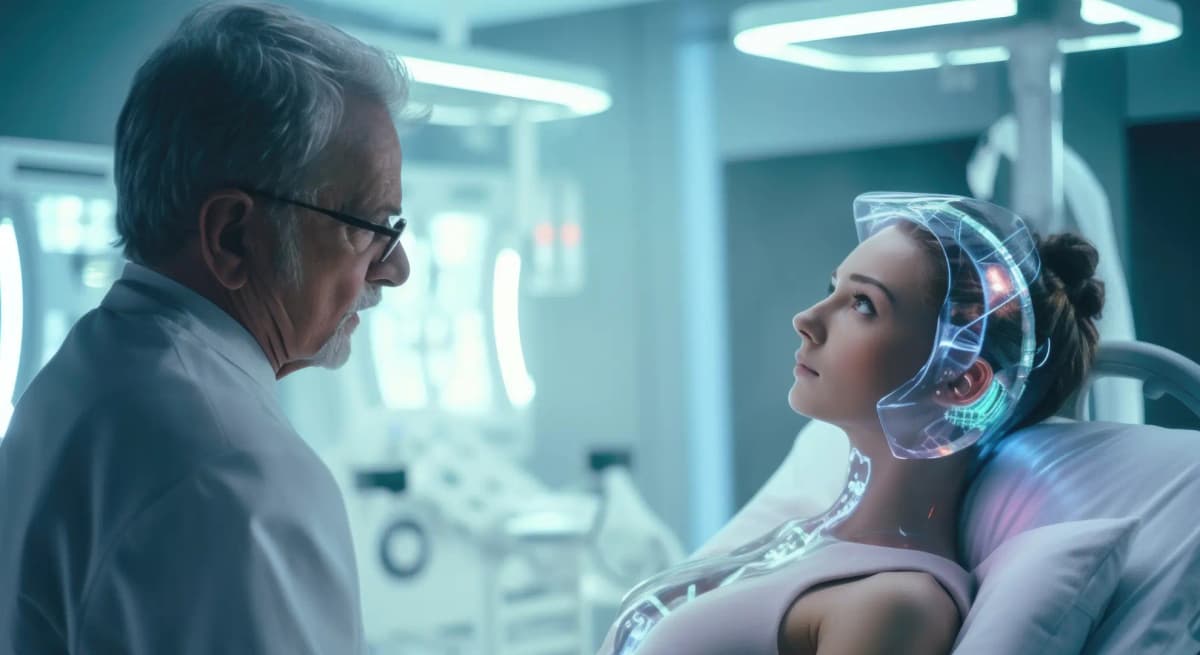
The healthcare industry is on the brink of a technological revolution, with artificial intelligence (AI) reshaping the way care is delivered. One of the most promising innovations is the integration of AI with Customer Relationship Management (CRM) systems. The Future of Healthcare: AI-Driven CRM Solutions explores how these advanced platforms are transforming patient engagement, improving operational efficiency, and enabling personalized, data-driven care.
Understanding AI-Driven Healthcare CRM
A healthcare CRM system is traditionally designed to manage patient information, track interactions, and streamline communication between providers and patients. With AI integration, these systems evolve into intelligent platforms capable of analyzing vast amounts of patient data, predicting trends, and automating personalized communication.
AI-driven CRMs combine the relationship management capabilities of traditional systems with predictive analytics, natural language processing, and machine learning algorithms. This fusion empowers healthcare organizations to anticipate patient needs, optimize workflows, and deliver highly personalized care.
Personalized Patient Engagement
One of the most significant advantages of AI-driven CRM solutions is their ability to enhance patient engagement. Modern healthcare patients expect more than just clinical treatment; they want personalized communication and proactive care.
AI-driven CRMs analyze patient histories, preferences, and behavior patterns to deliver tailored messages, reminders, and educational content. For example, a patient managing diabetes may receive automated updates about blood sugar monitoring, dietary tips, and upcoming check-ups. By engaging patients proactively and personally, healthcare providers can improve adherence to treatment plans, enhance patient satisfaction, and build stronger doctor–patient relationships.
Predictive Analytics for Better Outcomes
AI-powered CRMs use predictive analytics to anticipate patient needs and identify potential health risks before they escalate. By analyzing patterns in patient data, these systems can flag patients at risk of readmission, detect early signs of chronic disease complications, and suggest preventive measures.
For instance, a patient with a history of cardiovascular issues may receive alerts for upcoming screenings or lifestyle modifications recommended by the system. This predictive capability enables healthcare providers to intervene early, reducing hospital visits and improving long-term health outcomes.
Streamlining Administrative Operations
AI-driven CRM solutions not only enhance patient engagement but also streamline administrative operations. Automated appointment scheduling, intelligent follow-ups, and AI-powered chatbots reduce the workload on healthcare staff while ensuring patients receive timely support.
Administrative efficiency allows providers to focus more on delivering care rather than managing paperwork. Additionally, AI algorithms can optimize appointment scheduling based on patient preferences, physician availability, and historical data, minimizing wait times and improving operational efficiency.
Integration with Telemedicine and Mobile Health
Telemedicine and mobile health applications have become critical components of modern healthcare. AI-driven CRMs integrate seamlessly with these platforms, enabling remote consultations, secure sharing of medical records, and continuous patient monitoring.
For example, patients can schedule virtual appointments through a mobile app linked to the CRM, receive AI-generated reminders, and access personalized post-consultation care instructions. This integration ensures continuity of care, enhances patient convenience, and strengthens engagement, especially for patients in remote or underserved areas.
Enhancing Decision-Making with Data Insights
Healthcare organizations generate vast amounts of data daily. AI-driven CRMs turn this data into actionable insights, supporting informed decision-making. Providers can analyze treatment outcomes, patient behavior, and engagement metrics to improve care strategies.
For example, the CRM can identify trends in patient adherence, highlight which communication methods are most effective, or suggest personalized interventions for high-risk patients. These insights not only improve patient outcomes but also enable healthcare organizations to refine operational processes and optimize resource allocation.
Ensuring Regulatory Compliance and Security
Healthcare organizations must comply with strict regulations like HIPAA to protect patient data. AI-driven CRMs are designed with built-in security and compliance features, including encrypted data storage, secure communication channels, and audit trails.
By leveraging these solutions, healthcare providers can ensure patient information is protected while maintaining regulatory compliance. This security fosters patient trust, which is essential for successful adoption of digital healthcare solutions.
Preparing for the Future of Healthcare
The future of healthcare is undoubtedly digital, patient-centered, and data-driven. AI-driven CRM solutions are at the forefront of this transformation, enabling providers to deliver personalized, proactive care while improving operational efficiency.
Healthcare organizations that adopt these technologies position themselves to meet evolving patient expectations, reduce costs, and improve clinical outcomes. AI-powered CRMs are not just tools—they are strategic investments that redefine how care is delivered and experienced.

Conclusion
The Future of Healthcare: AI-Driven CRM Solutions lies in the ability to merge technology with patient-centered care. By combining predictive analytics, personalized communication, and operational automation, these systems empower healthcare organizations to enhance patient engagement, improve decision-making, and streamline workflows.
Investing in AI-driven CRM solutions is more than a technological upgrade; it is a commitment to transforming healthcare delivery. As the industry continues to evolve, organizations that leverage AI-powered CRMs will be better equipped to provide efficient, personalized, and proactive care, ensuring healthier outcomes for patients and sustainable growth for providers.
The Doctorna editorial desk writes about healthcare operations, patient experience and the systems clinics use to connect them.