The Future of Healthcare CRM: AI, Automation,and Predictive Insights
The healthcare industry is experiencing rapid digital transformation, with clinics increasingly relying on technology to improve patient care, streamline operations,


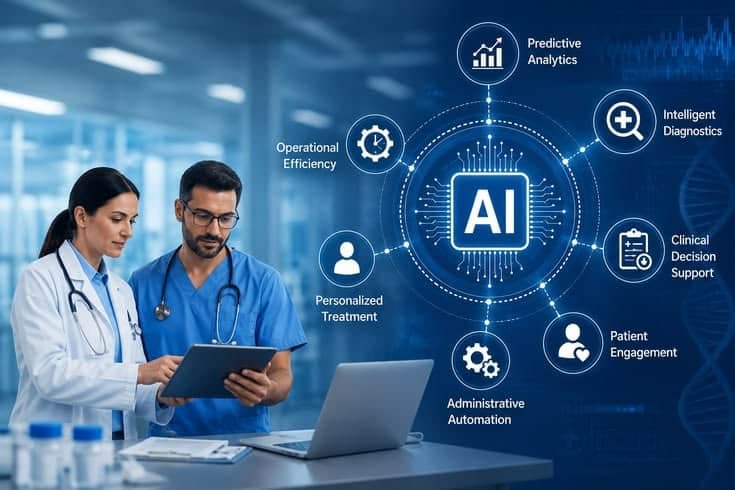
The healthcare industry is experiencing rapid digital transformation, with clinics increasingly relying on technology to improve patient care, streamline operations, and enhance communication. At the center of this shift is the healthcare Customer Relationship Management (CRM) system. As technology evolves, The Future of Healthcare CRM: AI, Automation, and Predictive Insights is reshaping how clinics manage patient relationships and deliver personalized care.
Healthcare CRM platforms are no longer simple databases. They have become intelligent systems that analyze patient behavior, predict care needs, automate administrative tasks, and guide clinics toward smarter decision-making. The integration of AI and automation is creating opportunities to improve patient outcomes while driving operational efficiency and long-term growth.
1. AI: Transforming Patient Engagement and Personalization
Artificial intelligence is redefining how clinics interact with patients. Traditional CRM systems store and organize patient information, but AI-powered CRMs go a step further—using machine learning algorithms to understand patient behavior and deliver hyper-personalized experiences.
Predictive Patient Engagement
AI analyzes appointment history, health patterns, and communication behavior to predict when a patient is likely to need a follow-up or may miss an appointment. This allows clinics to proactively send reminders, check-in messages, or education materials.
Personalized Care Recommendations
AI segments patients based on demographics, health conditions, and visit frequency. Clinics can then deliver personalized advice, chronic care management tips, and treatment reminders tailored to individual needs.
Smart Chatbots and Virtual Assistants
AI-powered chatbots support patients 24/7 by answering common questions, scheduling appointments, processing requests, and guiding patients through their care journey. This reduces administrative burden while improving patient satisfaction.
In short, AI enables clinics to deliver smoother, smarter, and more engaging patient interactions.
2. Automation: Streamlining Clinic Operations
Automation is one of the biggest drivers shaping The Future of Healthcare CRM: AI, Automation, and Predictive Insights. Clinics often struggle with manual tasks that consume time, reduce productivity, and increase the risk of human error. CRM automation eliminates these challenges by handling repetitive tasks efficiently.
Automated Appointment Management
Automated reminders, confirmations, and rescheduling prompts significantly reduce no-shows and cancellations. Clinics can maintain fuller schedules and improve provider utilization.
Workflow Automation
From patient onboarding to follow-ups, CRMs automate processes like sending health forms, capturing patient updates, and initiating care plans. This allows staff to focus more on patient care instead of administrative tasks.
Automated Marketing Campaigns
CRMs automatically run targeted campaigns based on patient behavior, such as:
- Re-engagement campaigns for inactive patients
- Seasonal check-up promotions
- Service-specific outreach
- Chronic care management reminders
These campaigns improve patient retention and drive additional revenue without manual effort.
Documentation Automation
CRMs connected to EHR and billing systems help clinics automate documentation, payment tracking, and claim updates, reducing errors and speeding up workflow.
Automation makes clinic operations faster, more consistent, and more cost-effective.
3. Predictive Insights: Revolutionizing Clinical and Operational Decisions
One of the most transformative elements of The Future of Healthcare CRM: AI, Automation, and Predictive Insights is predictive analytics. By analyzing large amounts of patient data, CRMs can forecast trends, identify risks, and guide clinics in making smarter decisions.
Predicting Patient No-Shows
By evaluating factors like appointment history, travel distance, and patient demographics, predictive models can identify patients likely to miss appointments. Clinics can then take proactive steps—such as calling the patient or offering telehealth alternatives.
Forecasting Patient Needs
Predictive analytics helps clinics understand:
- When patients may require follow-ups
- Seasonal spikes in demand
- Chronic care patterns
- High-risk patient behavior
This enables better resource allocation and improved care planning.
Insightful Reporting for Better Management
Predictive dashboards give clinics real-time visibility into:
- Revenue trends
- Appointment utilization
- Patient engagement rates
- Marketing performance
Leaders can use these insights to improve operations, staffing, and strategic planning.
Predictive insights empower clinics to stay ahead of patient needs rather than reacting to them.
4. Enhancing Patient Experience Through Technology Integration
The future of healthcare CRM extends beyond AI—it involves seamless integration with other digital tools. Modern CRMs connect with:
- Electronic Health Records (EHR)
- Telehealth platforms
- Wearable health devices
- Billing systems
- Mobile patient apps
This creates a unified patient experience where data flows automatically across systems. Patients benefit from:
- Faster care delivery
- Personalized communication
- Access to real-time health data
- Seamless appointment scheduling
- Coordinated follow-ups
Integrated CRM technology builds a stronger doctor-patient relationship and improves overall care outcomes.
5. Strengthening Security and Compliance Through Smart CRM Systems
As CRMs become more advanced, ensuring data privacy and compliance is essential. Future CRM platforms integrate AI-driven security features such as:
- Smart threat detection
- Automated compliance monitoring
- Real-time data encryption alerts
- Role-based access control
- Audit trail automation
These tools help clinics avoid data breaches and maintain compliance with regulations like HIPAA, GDPR, and regional health data laws.
Conclusion
The Future of Healthcare CRM: AI, Automation, and Predictive Insights is transforming how clinics deliver care, manage operations, and build long-term patient relationships. AI enhances personalization, automation eliminates manual work, and predictive analytics helps clinics make smarter decisions. Together, these technologies empower healthcare providers to operate more efficiently, deliver higher-quality care, and stay competitive in a rapidly evolving industry.
Clinics that embrace these innovations now will be better prepared to meet the needs of tomorrow’s digital-first healthcare environment—unlocking new levels of patient satisfaction, efficiency, and sustainable growth.
The Doctorna editorial desk writes about healthcare operations, patient experience and the systems clinics use to connect them.