
The Future of Healthcare CRM Systems: Trends to Watch
Healthcare is undergoing a digital revolution, and Customer Relationship Management (CRM) systems are at the forefront of this transformation. Traditionally

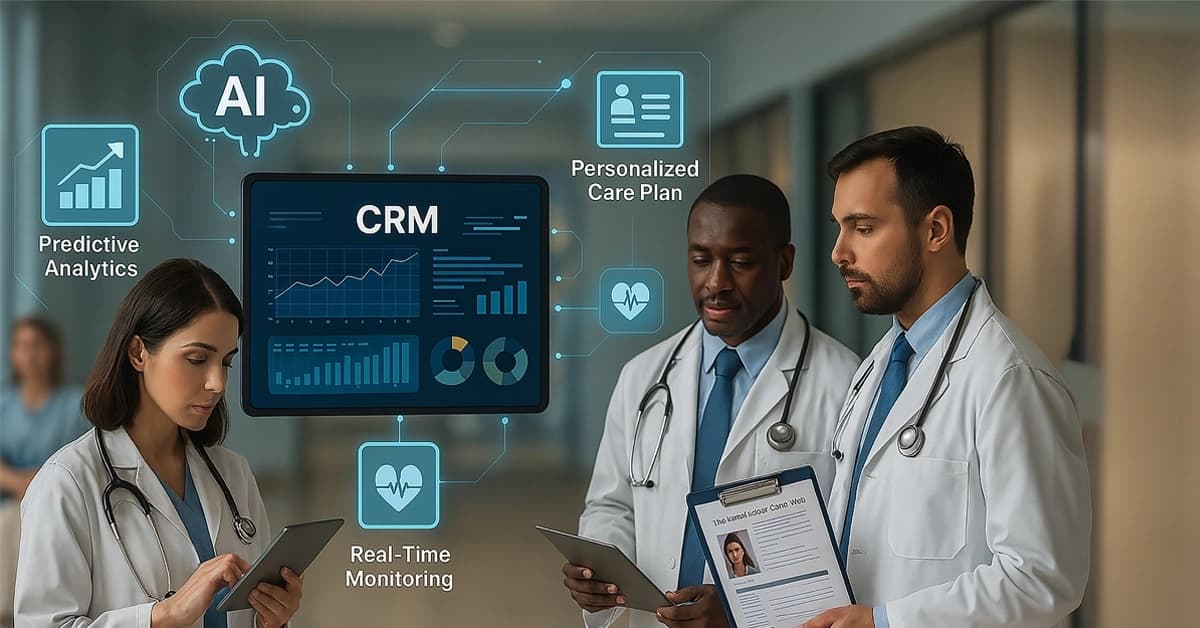
Healthcare is undergoing a digital revolution, and Customer Relationship Management (CRM) systems are at the forefront of this transformation. Traditionally used to manage patient interactions and streamline administrative tasks, modern healthcare CRM systems are evolving into powerful, intelligent platforms that enhance patient care, improve operational efficiency, and support data-driven decision-making. As technology advances, it’s essential for healthcare providers to understand the emerging trends shaping the future of CRM systems.
1. Artificial Intelligence and Machine Learning
AI and machine learning are transforming healthcare CRM systems by enabling smarter analytics and personalized patient engagement. These technologies can analyze vast amounts of patient data to identify patterns, predict health risks, and recommend proactive interventions. AI-driven insights help healthcare organizations deliver personalized communication, automate follow-ups, and optimize resource allocation. As AI continues to advance, CRMs will become even more predictive, allowing providers to anticipate patient needs before they arise.
2. Integration with Telehealth and Virtual Care
The rise of telemedicine has changed how patients interact with healthcare providers. Future CRM systems will increasingly integrate with telehealth platforms, enabling seamless scheduling, secure video consultations, and automatic documentation of virtual visits. This integration ensures a complete view of the patient journey, enhancing care coordination and improving patient satisfaction.
3. Enhanced Patient Engagement Tools
Patient engagement is a key focus of modern healthcare. Future CRM systems will offer advanced tools such as automated messaging, mobile apps, and chatbots to maintain continuous communication with patients. These tools allow for appointment reminders, health education, follow-up care, and feedback collection, resulting in better adherence to treatment plans and stronger patient-provider relationships.
4. Data-Driven Decision Making
Healthcare CRM systems are becoming central to data-driven strategies. With advanced analytics and reporting features, organizations can identify trends, track patient outcomes, and make informed decisions. Predictive analytics will help forecast patient demand, optimize staff allocation, and manage resources more efficiently, ultimately improving both patient care and operational efficiency.
5. Emphasis on Data Privacy and Security
As healthcare CRM systems become more sophisticated, the importance of data privacy and security will continue to grow. Future systems will adopt advanced encryption, multi-factor authentication, and robust access controls to protect sensitive patient information. Compliance with regulations such as HIPAA, GDPR, and other privacy laws will remain a priority, ensuring patient trust and minimizing legal risks.
6. Cloud-Based CRM Solutions
The shift toward cloud-based CRM systems will accelerate in the future. Cloud platforms offer scalability, flexibility, and real-time access to patient data from anywhere. They also reduce IT maintenance costs and simplify updates. Cloud-based CRMs allow healthcare organizations to adapt quickly to changing needs, manage multiple facilities efficiently, and support remote teams.
7. Interoperability and Integration
Healthcare CRM systems will increasingly emphasize interoperability—the ability to seamlessly exchange data with EHRs, billing systems, laboratory systems, and other healthcare software. Integrated systems ensure that providers have a 360-degree view of the patient, reduce manual data entry, and improve collaboration across departments.
8. Predictive and Personalized Healthcare

Future CRM systems will leverage patient data to deliver personalized care recommendations. By analyzing medical history, lifestyle factors, and patient behavior, CRM platforms will provide targeted insights that help providers design customized treatment plans. Predictive capabilities will also support preventive care, identifying patients at risk of chronic conditions and enabling early intervention.
9. Automation and Workflow Optimization
Automation will play a larger role in CRM systems, simplifying routine administrative tasks such as appointment scheduling, billing follow-ups, and patient reminders. This reduces human error, increases operational efficiency, and allows healthcare staff to focus on patient care. Automated workflows also ensure consistent and timely communication with patients.
10. Patient-Centric Experience
The future of healthcare CRM systems will revolve around enhancing the patient experience. From seamless onboarding and real-time communication to personalized engagement and proactive care, CRM platforms will help organizations build stronger relationships with patients. A patient-centric approach improves satisfaction, loyalty, and overall health outcomes.
Conclusion
The future of healthcare CRM systems is driven by technology, data, and patient-centric innovation. AI, predictive analytics, telehealth integration, cloud computing, automation, and enhanced security are shaping the next generation of CRM platforms. By embracing these trends, healthcare organizations can not only improve operational efficiency but also deliver personalized, proactive, and high-quality care to patients.
Healthcare providers that adopt these emerging CRM trends will be better equipped to meet evolving patient expectations, optimize internal workflows, and maintain a competitive edge in an increasingly digital healthcare environment. The evolution of healthcare CRM systems promises a future where technology empowers providers and patients alike, ensuring smarter, safer, and more personalized healthcare for all.
The Doctorna editorial desk writes about healthcare operations, patient experience and the systems clinics use to connect them.