
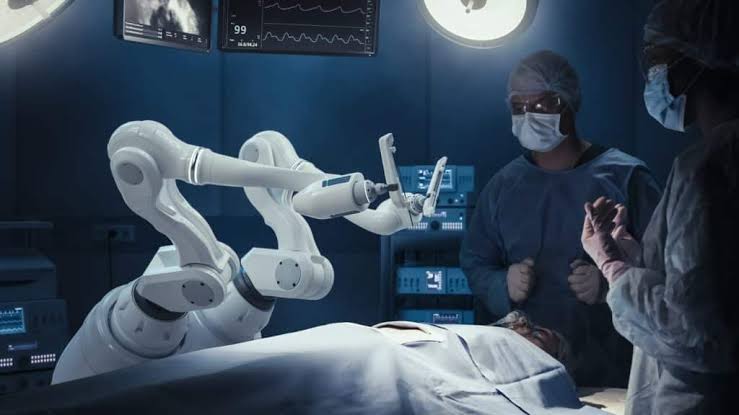
Healthcare is evolving rapidly, and digital innovation is transforming how hospitals deliver care. The Future of Smart Hospital Technology is centered on creating connected, efficient, and patient-focused healthcare environments that improve clinical outcomes while streamlining hospital operations. By integrating advanced technologies such as artificial intelligence (AI), the Internet of Things (IoT), cloud computing, and data analytics, smart hospitals are redefining the healthcare experience for both patients and medical professionals.
Smart hospital technology enables real-time communication, automated workflows, connected medical devices, and intelligent decision-making. These innovations help healthcare providers improve efficiency, reduce operational costs, and deliver higher-quality patient care.
What Is Smart Hospital Technology?
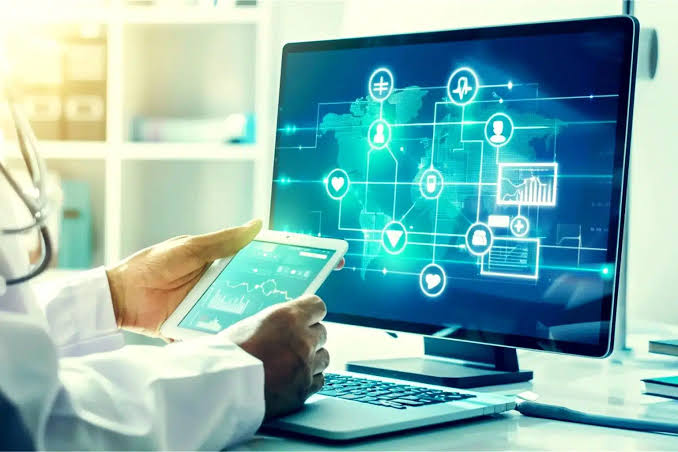
A smart hospital uses digital technologies to connect medical equipment, healthcare systems, staff, and patients within a unified ecosystem. Instead of relying on disconnected processes, smart hospitals use integrated platforms that allow information to flow securely and efficiently across departments.
Key components of smart hospital technology include:
- Electronic Health Records (EHR)
- Internet of Things (IoT) devices
- Artificial Intelligence (AI)
- Cloud-based healthcare systems
- Remote patient monitoring
- Smart appointment management
- Automated patient communication
- Data analytics platforms
Together, these technologies improve collaboration and support faster, more informed clinical decisions.
AI-Powered Clinical Decision Support
Artificial intelligence is becoming an essential part of modern hospitals. AI systems analyze large volumes of medical data to assist healthcare professionals in making accurate and timely decisions.
AI can help hospitals by:
- Identifying potential health risks
- Supporting disease diagnosis
- Predicting patient deterioration
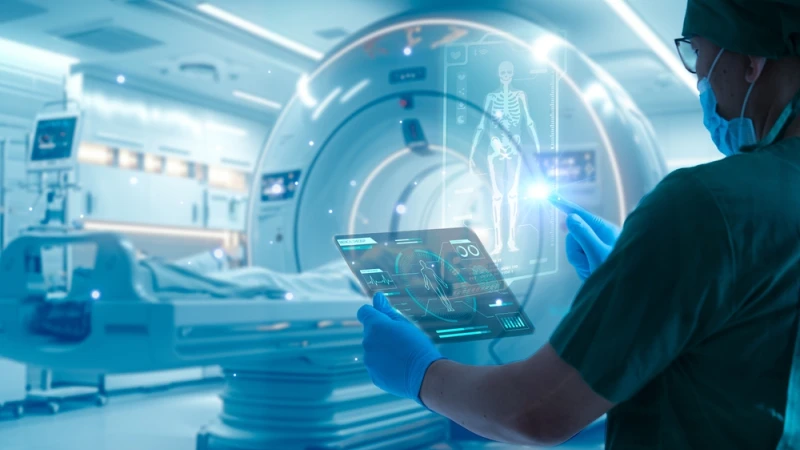
- Assisting with medical imaging analysis
- Recommending treatment options
- Optimizing hospital workflows
Rather than replacing healthcare professionals, AI enhances their ability to provide safe and effective care.
Connected Medical Devices
The Internet of Things allows medical devices to communicate with hospital systems in real time.
Examples include:
- Smart patient monitors
- Connected infusion pumps
- Wearable health devices
- Digital blood pressure monitors
- Wireless ECG systems
- Smart hospital beds
These connected devices continuously collect patient data and alert healthcare teams if immediate attention is required.
Remote Patient Monitoring
The future of hospital care extends beyond hospital walls.
Remote patient monitoring enables healthcare providers to track patients after discharge using connected devices that measure vital signs such as:
- Heart rate
- Blood pressure
- Oxygen levels
- Blood glucose
- Body temperature
- Activity levels
Continuous monitoring helps detect complications early while reducing unnecessary hospital readmissions.
Intelligent Patient Management
Smart hospital technology simplifies patient management from admission to discharge.
Digital systems help hospitals manage:
- Online appointment scheduling
- Patient registration
- Queue management
- Bed allocation
- Treatment planning
- Discharge coordination
Automating these processes reduces waiting times and creates a smoother patient experience.
Predictive Data Analytics
Hospitals generate enormous amounts of healthcare data every day.
Advanced analytics platforms convert this data into valuable insights by helping hospitals:
- Forecast patient admissions
- Predict resource demand
- Monitor disease trends
- Improve staffing levels
- Reduce operational costs
- Enhance treatment planning
Predictive analytics supports better planning and more efficient use of hospital resources.
Cloud-Based Healthcare Systems
Cloud technology allows hospitals to securely access patient information from multiple locations.
Benefits include:
- Centralized medical records
- Real-time collaboration
- Secure data storage
- Faster information sharing
- Improved disaster recovery
- Easy system scalability
Cloud platforms also support seamless communication between departments and healthcare facilities.
Automation Improves Operational Efficiency
Automation is reducing repetitive administrative work across hospitals.
Smart hospital systems automate tasks such as:
- Appointment reminders
- Billing processes
- Inventory management
- Patient follow-ups
- Laboratory notifications
- Staff scheduling
Automation saves time, minimizes human error, and allows healthcare professionals to focus more on patient care.
Enhanced Patient Experience
Modern patients expect convenient, personalized healthcare services.
Smart hospitals improve the patient experience by offering:
- Online appointment booking
- Digital check-in
- Patient portals
- Mobile health applications
- Automated notifications
- Personalized care updates
These features improve communication and make healthcare services more accessible.
Strengthening Cybersecurity
As hospitals become more digitally connected, protecting patient information becomes increasingly important.
Smart hospital technology includes advanced security measures such as:
- Data encryption
- Multi-factor authentication
- Secure cloud infrastructure
- Role-based access control
- Continuous security monitoring
- Automated backup systems
Strong cybersecurity practices help protect sensitive medical information while ensuring regulatory compliance.
Smart Resource Management
Efficient resource management is essential for hospital performance.
Smart hospital solutions help track:
- Medical equipment
- Hospital beds
- Pharmaceutical inventory
- Surgical supplies
- Staff availability
- Facility utilization
Real-time visibility enables hospitals to reduce waste and improve operational efficiency.
Supporting Telehealth Services
Telehealth continues to play an important role in modern healthcare delivery.
Smart hospital technology integrates virtual healthcare services, allowing patients to:
- Consult healthcare professionals remotely
- Access digital prescriptions
- Receive virtual follow-ups
- Share medical reports securely
- Monitor chronic conditions from home
Telehealth expands access to care while improving convenience for patients.
Sustainability Through Smart Technology
Future hospitals are also becoming more environmentally responsible.
Smart building systems help reduce energy consumption by managing:
- Lighting
- Air conditioning
- Heating
- Water usage
- Equipment operation
These technologies lower operational costs while supporting sustainable healthcare infrastructure.
Benefits of Smart Hospital Technology
Healthcare organizations adopting smart hospital solutions can expect:
- Improved patient safety
- Faster clinical decision-making
- Better communication
- Reduced administrative workload
- Lower operational costs
- Higher patient satisfaction
- More efficient resource utilization
- Enhanced quality of care
These advantages contribute to stronger healthcare outcomes and long-term organizational success.
The Road Ahead
The future of healthcare will be driven by continuous innovation. Emerging technologies such as advanced AI, robotics, digital twins, wearable health devices, and predictive analytics will further enhance hospital operations and patient care.
Hospitals that invest in connected technologies today will be better prepared to meet growing patient expectations, improve operational resilience, and adapt to the changing healthcare landscape.