The healthcare industry is undergoing a digital revolution, driven by the rise of connected technologies that empower both patients and providers. Among these innovations, wearable health devices—such as smartwatches, fitness trackers, ECG monitors, and biosensors—are transforming how health data is collected and analyzed. At the same time, Customer Relationship Management (CRM) systems are becoming central to how healthcare organizations manage patient relationships, communications, and care coordination.
The integration of wearable health devices with healthcare CRM systems represents the next frontier in personalized, data-driven care. This powerful combination enables providers to track patient health in real time, predict medical needs, and deliver more proactive and engaging healthcare experiences. In this blog, we’ll explore how wearable health devices are reshaping the healthcare landscape, the benefits and challenges of CRM integration, and what the future holds for this exciting technological partnership.
The Rise of Wearable Health Devices in Healthcare
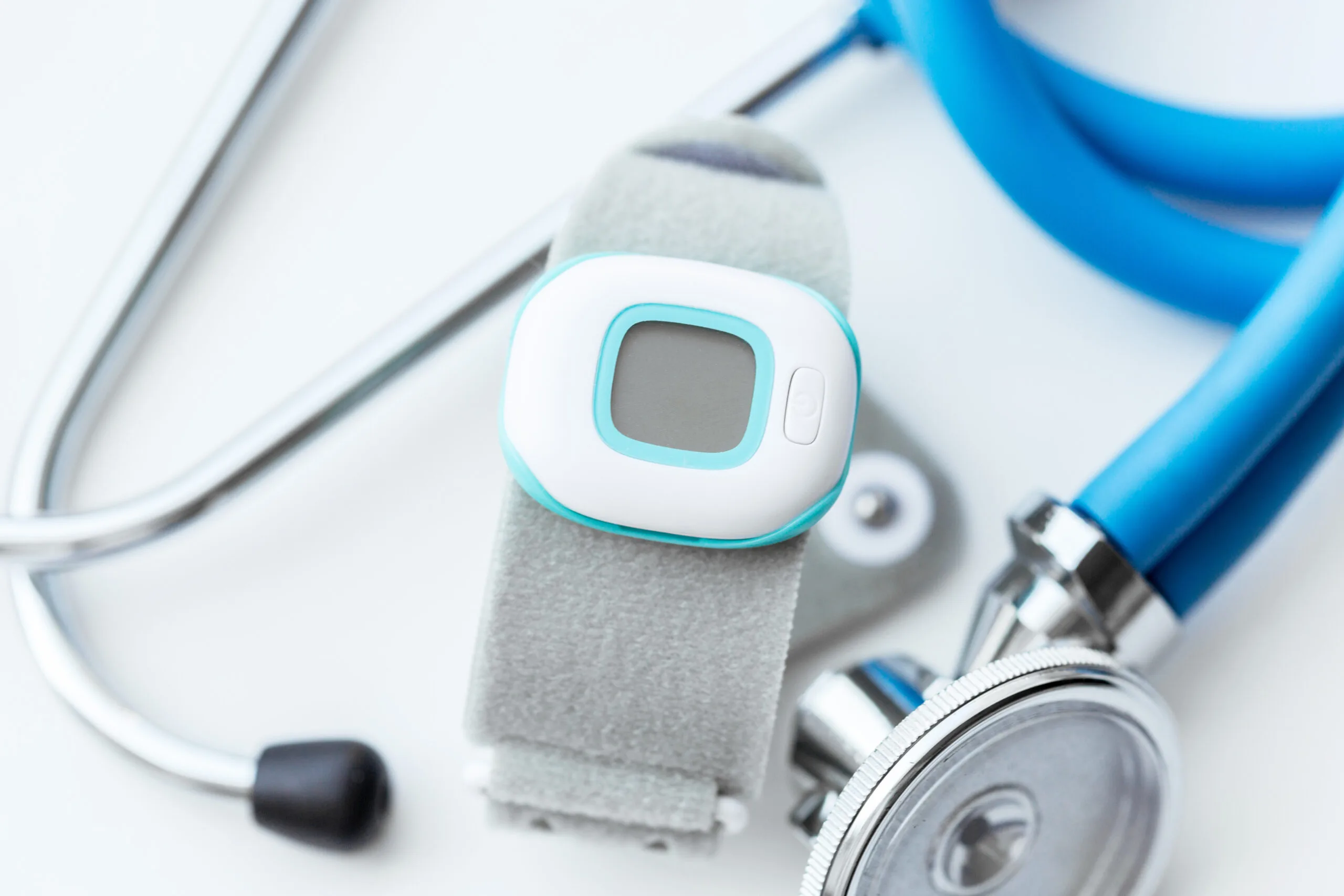
Wearable technology has evolved from simple step counters to sophisticated health monitoring tools capable of measuring vital signs such as heart rate, blood oxygen levels, sleep quality, blood pressure, and even blood sugar. These devices generate massive volumes of data every second, offering deep insights into an individual’s health and lifestyle.
According to recent studies, over 70% of healthcare organizations are either using or planning to use wearable data as part of patient monitoring and care management systems. This surge is driven by the growing demand for preventive healthcare, remote patient monitoring, and chronic disease management.
For healthcare providers, integrating wearable device data into CRM systems bridges the gap between patient-generated health data and clinical decision-making—creating a continuous care loop.
Why Integrate Wearable Health Devices with Healthcare CRM?
While wearables collect valuable real-time data, their true potential is unlocked when that information is systematically captured, analyzed, and acted upon. A healthcare CRM serves as the ideal hub for integrating and managing this data.
1. Unified Patient Profiles
By integrating wearable devices with a CRM, healthcare providers can consolidate real-time health metrics with clinical records, appointment histories, and communication logs. This unified view helps physicians understand patients holistically and tailor care plans accordingly.
2. Real-Time Monitoring and Alerts
CRM integration enables automatic alerts based on real-time data. For example, if a patient’s heart rate spikes abnormally, the CRM can trigger notifications for both the patient and the care team. This proactive monitoring can prevent emergencies and improve patient safety.
3. Personalized Care and Engagement
Using insights from wearable data, CRMs can help healthcare providers deliver personalized recommendations—like encouraging more physical activity or adjusting medication reminders. Automated messages through CRM workflows can keep patients engaged between visits, enhancing care continuity.
4. Data-Driven Decision Making
Wearable device data provides a continuous stream of patient health metrics, allowing providers to analyze long-term trends. Integrated with CRM analytics, this data helps in predicting potential health risks, identifying treatment gaps, and optimizing patient outcomes.
5. Streamlined Communication and Follow-Up
CRM systems integrated with wearable data can automatically schedule follow-ups, send reminders, or provide feedback to patients based on their latest readings—reducing administrative workload and improving patient satisfaction.
Key Benefits of Wearable-CRM Integration for Healthcare
1. Improved Preventive Care
Continuous health tracking allows providers to detect early signs of illness before symptoms escalate. For instance, abnormal sleep patterns or elevated stress levels can signal potential cardiovascular issues. CRM alerts can prompt timely interventions, turning reactive care into proactive care.
2. Enhanced Patient Engagement
Patients feel more in control of their health when they see how their data contributes to better care. When wearable data feeds into a CRM that sends personalized advice or motivational feedback, it fosters a stronger patient-provider relationship.
3. Operational Efficiency
Automation reduces manual data entry and administrative tasks. Providers can focus more on patient care while the CRM system handles data synchronization, alerts, and follow-up workflows.
4. Better Chronic Disease Management
For patients with chronic conditions like diabetes, hypertension, or asthma, continuous monitoring through wearables integrated with CRM systems ensures consistent oversight. Providers can track progress, adjust treatment plans, and prevent complications in real time.
5. Research and Population Health Insights
Aggregated wearable data from thousands of patients can help healthcare organizations and researchers identify population-level health trends, leading to more effective public health strategies and treatment innovations.
Challenges in Integrating Wearable Devices with CRM Systems
Despite the potential, integrating wearable health data with CRM platforms comes with challenges that must be addressed thoughtfully:
1. Data Privacy and Compliance
Wearable devices generate sensitive health data, and ensuring compliance with regulations like HIPAA and GDPR is crucial. Both device manufacturers and CRM platforms must enforce strict encryption, access control, and consent management.
2. Data Overload and Accuracy
With millions of data points being generated daily, filtering relevant insights from noise is complex. Additionally, wearable sensors may not always provide clinical-grade accuracy, requiring careful validation before integration into patient records.
3. Interoperability Issues
Different devices and platforms use varied data standards and APIs, making seamless integration challenging. Standardized frameworks like FHIR (Fast Healthcare Interoperability Resources) are helping bridge this gap, but widespread adoption is still in progress.
4. Cost and Implementation Complexity
Developing secure, scalable integrations requires significant investment in technology infrastructure and expertise. Smaller clinics may find it difficult to adopt such solutions without external support.
The Future of Wearable Health Devices and CRM Integration
The convergence of wearable technology, AI, and CRM systems is paving the way for the next generation of healthcare—predictive, personalized, and participatory. Here’s what the near future may look like:
1. Predictive Analytics and AI Integration
Future CRMs will use AI algorithms to analyze wearable data and predict health events before they happen—such as early detection of heart disease or respiratory issues. This will enable clinicians to take preemptive action.
2. Advanced Patient Segmentation
By analyzing wearable data within CRMs, healthcare organizations will be able to segment patients based on lifestyle, behavior, or risk level. This enables highly targeted interventions and resource allocation.
3. Virtual Health Ecosystems
Wearables, telemedicine, and CRM platforms will form interconnected ecosystems, allowing patients to receive continuous care remotely. Doctors will be able to monitor patients and update treatment plans without in-person visits.
4. Blockchain for Secure Data Sharing
Blockchain technology will enhance transparency and security, allowing patients to control how their wearable data is shared across systems—building trust and ensuring compliance.
5. Integration with IoT and Smart Hospitals
In the future, wearable devices will connect directly to hospital CRMs and Internet of Things (IoT) devices, creating a network of smart healthcare environments that react in real time to patient conditions.

Final Thoughts
The integration of wearable health devices and healthcare CRM systems marks a pivotal shift toward a more intelligent, patient-centric healthcare model. It bridges the gap between daily life and clinical care, turning data into actionable insights that can save lives and improve patient well-being.
While challenges like data security and interoperability remain, advancements in AI, cloud computing, and data standards are rapidly overcoming these barriers. The future of healthcare will be one where CRMs not only manage relationships but also serve as the central intelligence hub for continuous, personalized, and proactive care.
In essence, wearable health devices and CRM integration are not just about technology—they’re about building healthier, more connected communities where data works hand in hand with human compassion.