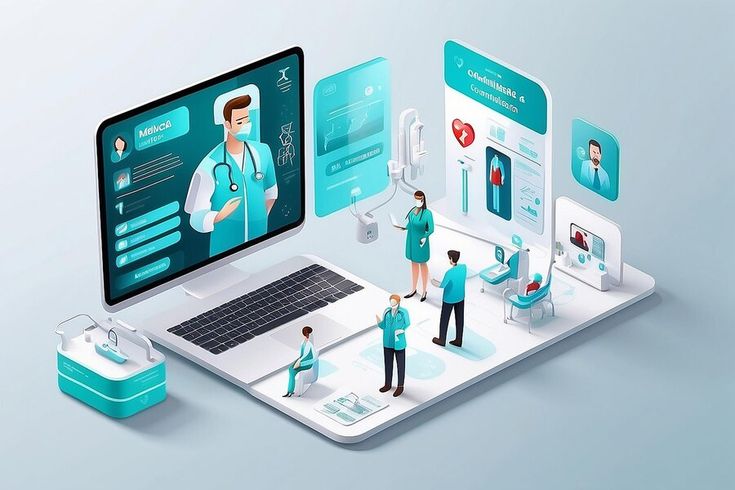


In today’s fast-paced healthcare industry, maintaining financial stability while delivering high-quality patient care is a constant challenge. Revenue Cycle Management (RCM) is the backbone of a healthcare organization’s financial health, encompassing all processes that capture, manage, and collect patient service revenue. From patient registration to final payment, every step in the revenue cycle impacts cash flow and operational efficiency. One of the most transformative tools in modern RCM is Customer Relationship Management (CRM) technology. Though traditionally associated with sales and marketing, CRM systems are increasingly proving their value in healthcare, optimizing processes and improving patient satisfaction.
Understanding Healthcare Revenue Cycle Management
Healthcare Revenue Cycle Management refers to the comprehensive process of managing financial transactions associated with patient care. This includes appointment scheduling, patient registration, insurance verification, coding, billing, claim submission, and payment collection. Errors or inefficiencies at any stage can lead to delayed payments, claim denials, or revenue loss. With rising patient volumes and complex insurance procedures, healthcare providers need smart solutions to streamline workflows and enhance revenue capture.
What is CRM in Healthcare?
Customer Relationship Management (CRM) is a technology platform that helps healthcare organizations manage interactions with patients and other stakeholders. Beyond marketing, CRM in healthcare serves as a centralized hub for patient information, enabling providers to track interactions, schedule appointments, manage communications, and personalize patient engagement. When integrated with RCM, CRM solutions help reduce administrative errors, improve claims processing, and enhance the overall patient financial experience.
Key Roles of CRM in Healthcare Revenue Cycle Management
1. Enhancing Patient Engagement and Retention
Patient engagement is critical in ensuring timely payments and reducing missed appointments. CRM systems allow healthcare providers to maintain accurate patient records, send automated reminders for appointments, and deliver educational content about treatments or billing procedures. Engaged patients are more likely to follow treatment plans, attend follow-ups, and fulfill payment obligations, all of which positively impact revenue cycles.
2. Streamlining Scheduling and Appointment Management
Missed or delayed appointments can lead to significant revenue losses. CRM systems automate scheduling, track patient attendance, and manage cancellations or rescheduling. By reducing no-shows, healthcare providers in Dubai and beyond can optimize clinic workflows and maximize revenue opportunities.
3. Improving Insurance Verification and Eligibility Checks
Insurance claim denials are a major challenge in RCM. CRM systems integrated with RCM can automatically verify insurance coverage, track pre-authorization requirements, and ensure accurate patient eligibility before services are rendered. This proactive approach reduces claim denials and accelerates the revenue collection process.
4. Facilitating Accurate Billing and Claims Management
Accurate billing is essential for smooth revenue cycles. CRM platforms consolidate patient data, including demographics, treatment history, and insurance details, supporting precise coding and billing. By minimizing errors in claim submissions, healthcare providers reduce the need for rework and improve cash flow.
5. Enhancing Interdepartmental Communication
Revenue cycle management involves multiple teams—front desk staff, billing specialists, clinical coders, and financial counselors. CRM systems provide a unified platform for communication, ensuring that all departments have real-time access to patient information. This transparency reduces errors, eliminates duplicate work, and ensures faster revenue processing.
6. Tracking Financial Performance and Reporting
Analytics and reporting tools within CRM platforms offer insights into revenue trends, claim denials, patient payment patterns, and departmental performance. These insights enable healthcare administrators to identify bottlenecks, improve processes, and implement revenue-enhancing strategies effectively.
7. Supporting Patient-Centric Financial Counseling
CRM systems allow providers to proactively engage patients regarding their financial responsibilities. Automated reminders, payment plan options, and online payment portals improve transparency and patient satisfaction. Patients who understand and feel supported in managing their medical expenses are more likely to comply with payment schedules, strengthening the revenue cycle.
Benefits of CRM in Healthcare RCM
- Reduced Claim Denials: Accurate insurance verification and billing minimize rejections.
- Faster Revenue Collection: Streamlined processes accelerate payments.
- Improved Patient Satisfaction: Personalized communication and timely reminders enhance patient experience.
- Operational Efficiency: Unified platforms reduce duplication of work and administrative errors.
- Actionable Insights: Analytics help monitor revenue performance and optimize strategies.
Case Example: CRM Transforming RCM in a Hospital
Consider a multi-specialty hospital in Dubai integrating CRM with RCM. By automating insurance verification and appointment reminders, the hospital reduced claim denials by 25% and increased patient adherence to follow-up visits. Additionally, centralized billing and real-time reporting allowed financial counselors to resolve payment issues quickly, improving cash flow and reducing outstanding receivables. This example demonstrates how CRM integration enhances both financial performance and patient satisfaction.
Conclusion
The integration of CRM into healthcare revenue cycle management is no longer optional—it is a strategic necessity. By enhancing patient engagement, improving claims accuracy, streamlining administrative processes, and providing actionable insights, CRM systems transform the revenue cycle into a more efficient, patient-centric process.
Healthcare providers in Dubai and globally are increasingly adopting CRM solutions not only to improve financial outcomes but also to elevate the overall patient experience. Hospitals and clinics that leverage CRM in RCM gain a competitive edge by optimizing revenue streams, enhancing operational efficiency, and delivering superior patient care.