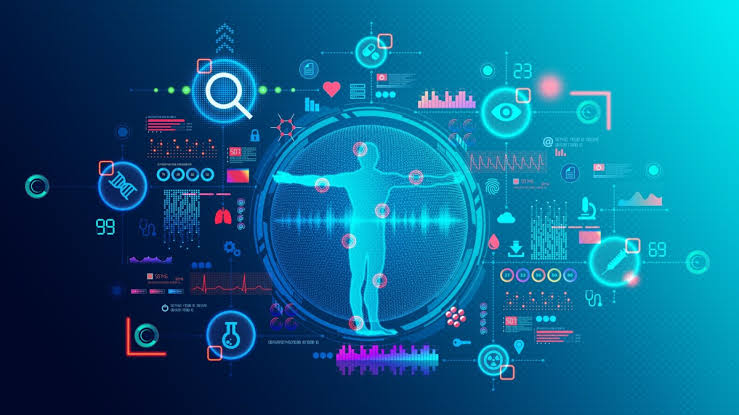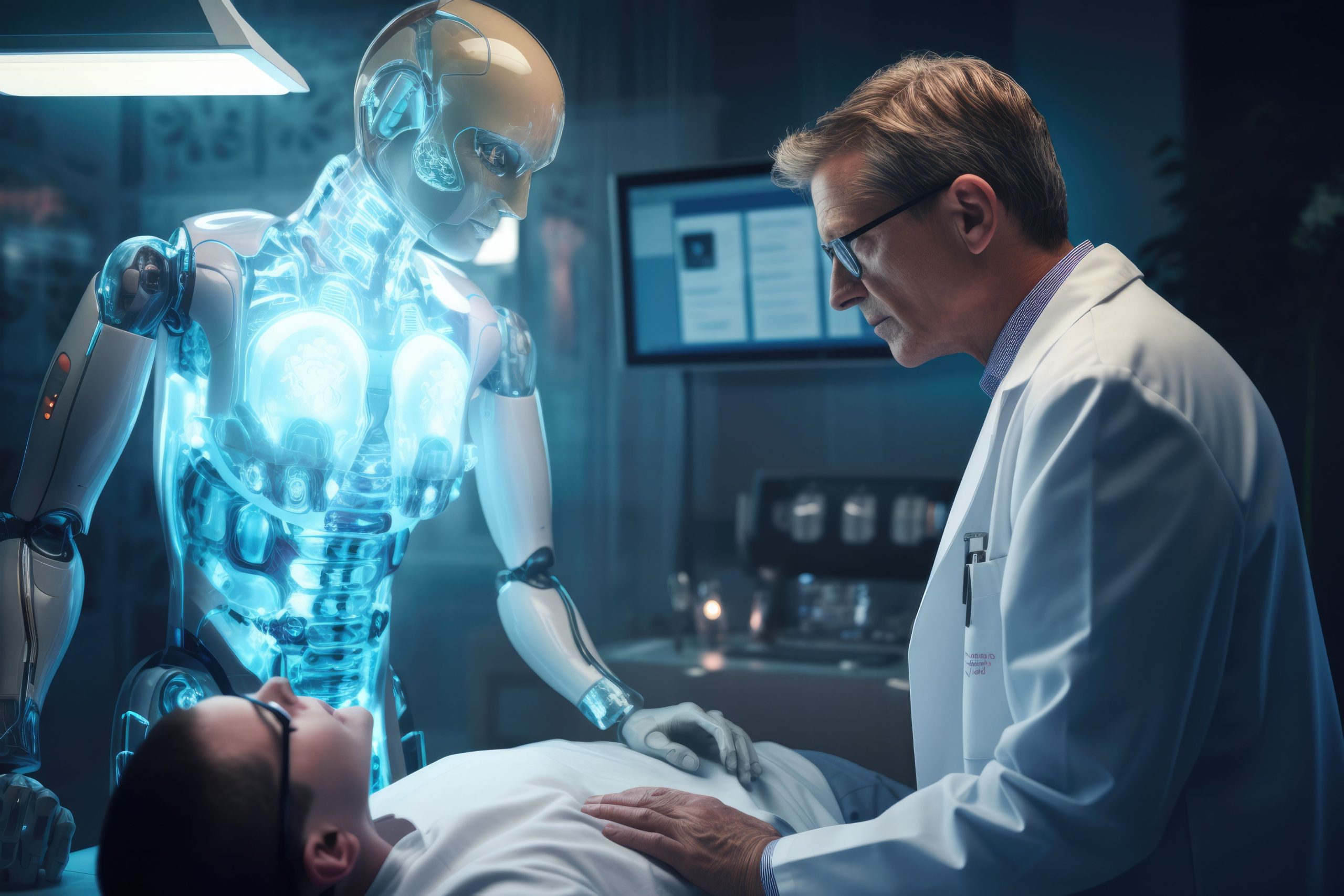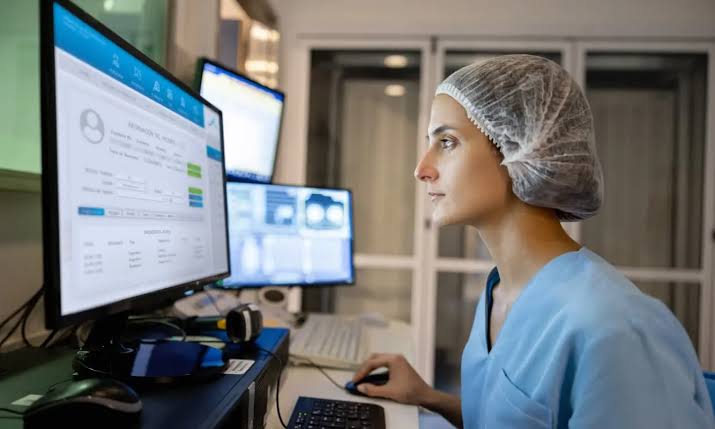

The healthcare industry is rapidly evolving, driven by the power of digital transformation and data analytics. Among the most transformative technologies reshaping the healthcare landscape is Machine Learning (ML) — a subset of artificial intelligence (AI) that enables systems to learn from data and make predictions or decisions without being explicitly programmed.
When integrated into Healthcare Customer Relationship Management (CRM) systems, machine learning takes patient management, engagement, and decision-making to the next level. It enables healthcare providers to move from reactive to predictive care, improving outcomes while optimizing operational efficiency.
In this article, we explore the role of machine learning in healthcare CRMs, how it works, and the remarkable impact it’s having on modern healthcare organizations.
What Is a Healthcare CRM?
A Healthcare CRM is a specialized platform that helps hospitals, clinics, and medical institutions manage patient relationships, streamline communication, and improve engagement. It centralizes data from multiple sources — such as appointment systems, electronic health records (EHRs), billing software, and marketing platforms — to create a comprehensive view of each patient.
Traditional CRMs focus primarily on organizing data and automating communication. However, when enhanced with machine learning, these systems become intelligent platforms capable of predicting patient needs, identifying patterns, and supporting data-driven decision-making.
Understanding Machine Learning in Healthcare CRMs
Machine learning (ML) uses algorithms and statistical models to analyze large volumes of healthcare data — from patient demographics to clinical records and behavioral patterns. In a healthcare CRM context, ML helps identify trends, predict outcomes, and recommend personalized actions for patients and providers.
Instead of simply recording what happened, an ML-powered CRM can anticipate what might happen next. For instance, it can predict which patients are likely to miss appointments, which might need follow-up care, or who is at risk of chronic disease complications.
This shift from reactive to proactive management allows healthcare providers to deliver more personalized, preventive, and efficient care.
Key Roles of Machine Learning in Healthcare CRM
Let’s explore the major ways machine learning enhances the functionality and effectiveness of healthcare CRMs.
1. Predictive Analytics for Patient Outcomes
One of the most powerful applications of machine learning in healthcare CRM is predictive analytics. By analyzing historical and real-time data, ML models can predict patient outcomes and potential health risks.
For example, by examining data such as age, lifestyle, medical history, and appointment frequency, the system can flag patients who are at high risk for chronic conditions like diabetes or heart disease.
Healthcare providers can then take preventive actions—such as scheduling early checkups, sending educational resources, or adjusting treatment plans—to reduce risks and improve outcomes.
Predictive insights also help hospitals manage resources efficiently by forecasting patient admission trends and optimizing staffing.
2. Enhancing Patient Segmentation and Personalization
Machine learning enables intelligent patient segmentation, grouping individuals based on behavior, health status, or preferences.
Instead of relying on static demographic filters, ML algorithms continuously learn from new data to refine segments dynamically. For example:
- Patients with similar medication adherence patterns can be grouped for targeted reminders.
- Elderly patients with mobility issues can receive telehealth-focused communication.
- Expectant mothers can receive automated wellness programs and appointment follow-ups.
This hyper-personalization ensures that each patient receives relevant, timely, and meaningful communication, ultimately improving engagement and satisfaction.
3. Automating Administrative Tasks
Healthcare professionals often spend significant time managing routine administrative duties — appointment scheduling, reminders, and record updates.
Machine learning automates these repetitive tasks within a CRM, freeing up valuable time for staff to focus on patient care.
For instance, ML algorithms can automatically send reminders based on patient habits, predict the best time to contact a patient, or flag missing information in medical records.
Automation also reduces human error and ensures that processes such as billing, follow-ups, and scheduling run smoothly and accurately.
4. Improving Patient Retention and Engagement
Retaining patients in a competitive healthcare environment requires consistent engagement and superior service. ML-powered CRMs analyze patient interactions to identify early warning signs of dissatisfaction or disengagement.
For example, if a patient frequently cancels appointments or leaves low feedback ratings, the system can alert staff to intervene proactively.
Additionally, machine learning helps personalize patient communication — recommending follow-up care, wellness content, or preventive screenings based on past interactions.
This predictive engagement ensures that healthcare providers maintain strong, long-term relationships with their patients.
5. Optimizing Marketing and Outreach Campaigns
In modern healthcare, marketing isn’t just about attracting patients — it’s about connecting with the right audience at the right time.
Machine learning algorithms analyze patient data to identify which marketing strategies work best for different demographics. For example:
- Predict which patients are most likely to respond to wellness campaign emails.
- Identify the best communication channels (SMS, email, app notification).
- Measure campaign effectiveness in real time and adjust strategies automatically.
By leveraging ML insights, healthcare marketers can maximize ROI and improve engagement while reducing advertising waste.
6. Enabling Intelligent Chatbots and Virtual Assistants
ML-powered chatbots integrated into healthcare CRMs can handle routine queries, schedule appointments, and provide personalized health tips around the clock.
For example, a chatbot can use past CRM data to offer relevant information — such as reminding a patient to take medication or follow up after a recent telehealth consultation.
This 24/7 support enhances patient experience while reducing administrative burden on healthcare staff.
Over time, chatbots become smarter through machine learning, learning from patient interactions to deliver more accurate and empathetic responses.
7. Detecting Fraud and Ensuring Compliance
Machine learning can also enhance data security and compliance within healthcare CRMs. Algorithms detect unusual activity — such as unauthorized access attempts or abnormal billing patterns — and alert administrators instantly.
By continuously monitoring system behavior, ML ensures that sensitive data remains protected and compliant with regulations like HIPAA and GDPR.
This proactive security approach not only safeguards information but also builds trust among patients and stakeholders.
Benefits of Machine Learning in Healthcare CRMs
Integrating machine learning into healthcare CRMs brings a range of organizational and clinical benefits:
- Personalized Care: Predictive insights allow for individualized treatment and communication strategies.
- Operational Efficiency: Automation and analytics reduce manual workloads and optimize workflows.
- Informed Decision-Making: Data-driven insights guide healthcare strategies and policy-making.
- Improved Patient Outcomes: Early detection and proactive engagement enhance overall care quality.
- Cost Reduction: Efficient resource allocation and preventive care reduce operational and treatment costs.
Challenges in Implementation
While the benefits are immense, integrating ML into healthcare CRMs comes with challenges:
- Data Quality and Integration: Poor data quality or inconsistent records can affect ML accuracy.
- Privacy Concerns: Strict data protection laws require robust security measures.
- Technical Complexity: Building and maintaining ML models demands technical expertise.
- User Adoption: Healthcare professionals must be trained to interpret and trust ML insights.
Addressing these challenges requires a balanced approach — combining technology, governance, and continuous staff education.
The Future of Machine Learning in Healthcare CRM
The future of healthcare CRM lies in AI-driven automation, predictive healthcare, and real-time decision support.
Soon, ML-enabled CRMs will integrate with wearable devices, IoT sensors, and telehealth platforms to provide continuous patient monitoring. Predictive models will alert providers to potential health issues before symptoms appear, ushering in a new era of preventive, data-driven healthcare.
As machine learning evolves, healthcare CRMs will become more intuitive, accurate, and impactful—helping organizations deliver personalized care at scale while maintaining efficiency and compliance.

Final Thoughts
Machine learning is transforming healthcare CRM from a simple data management tool into an intelligent, predictive, and patient-centric platform.
By analyzing vast amounts of data, identifying trends, and predicting outcomes, ML empowers healthcare providers to improve care quality, enhance engagement, and optimize operations.
In an industry where patient experience and efficiency are equally vital, machine learning is not just an enhancement — it’s the future of healthcare CRM.