
The Role of Virtual Assistants in Healthcare CRM
The healthcare industry is undergoing a digital transformation, with technology playing a central role in improving patient care, operational efficiency,

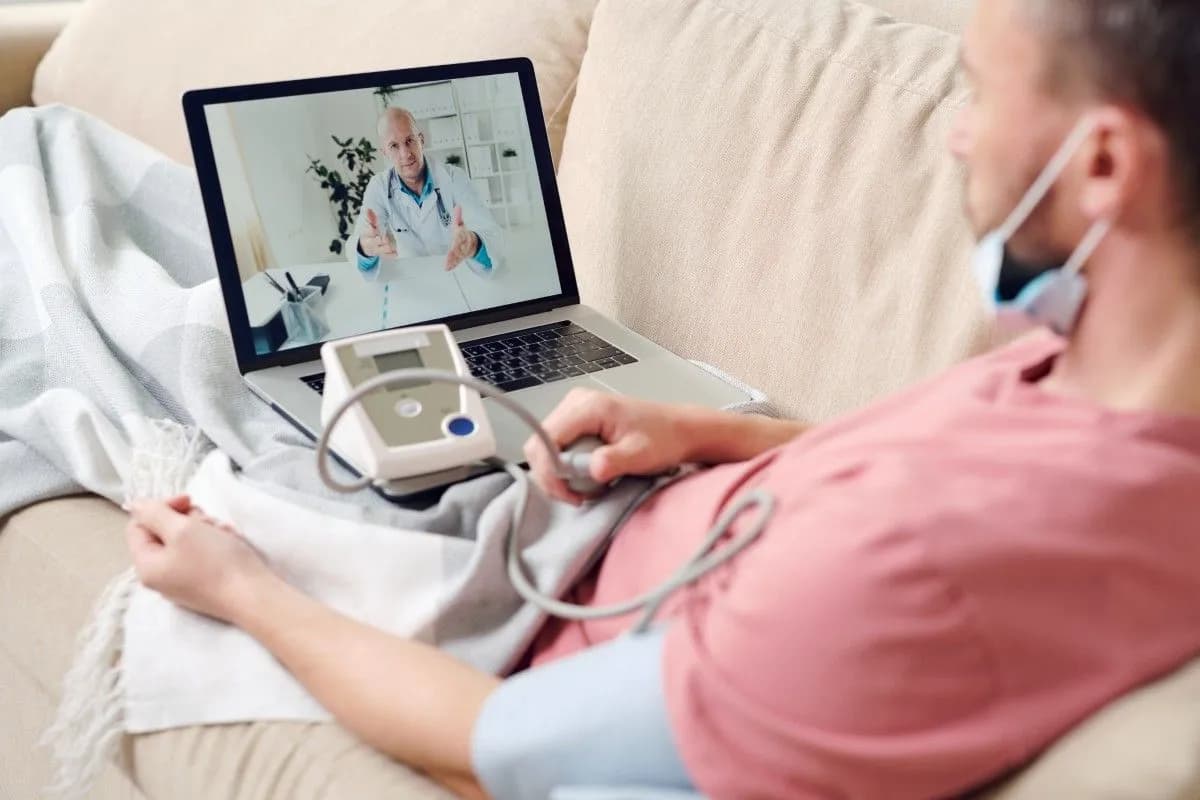
The healthcare industry is undergoing a digital transformation, with technology playing a central role in improving patient care, operational efficiency, and engagement. Among the innovative tools transforming healthcare operations are virtual assistants integrated into Healthcare CRM (Customer Relationship Management) systems. These AI-powered assistants are redefining how hospitals, clinics, and healthcare providers manage patient interactions, streamline workflows, and deliver personalized care.
This blog explores the role of virtual assistants in healthcare CRM, their benefits, practical applications, and how they are shaping the future of patient engagement.
Understanding Virtual Assistants in Healthcare CRM
A virtual assistant is an AI-driven software tool that can perform tasks, answer queries, and guide users through processes. When integrated into a healthcare CRM, virtual assistants help manage patient relationships efficiently while reducing administrative burden. Unlike traditional CRM systems that rely solely on human input, virtual assistants enable automation, proactive communication, and intelligent decision-making.
These assistants can interact with patients through multiple channels, including:
- Chat interfaces on hospital websites
- Mobile app messaging
- Email and SMS
- Voice-enabled platforms
By combining AI, natural language processing (NLP), and CRM data, virtual assistants deliver a seamless and personalized patient experience.
Key Roles of Virtual Assistants in Healthcare CRM
1. Automating Appointment Scheduling and Reminders
One of the most time-consuming tasks for hospital staff is scheduling appointments and managing cancellations. Virtual assistants can:
- Allow patients to book, reschedule, or cancel appointments online
- Send automated reminders to reduce no-shows
- Provide instant confirmation and instructions for visits
Benefit: Reduces administrative workload and ensures patients stay on track with their care plans.
2. Enhancing Patient Communication
Effective communication is crucial in healthcare. Virtual assistants can engage with patients proactively by:
- Answering frequently asked questions about treatments, medications, or hospital policies
- Providing instructions for pre- and post-treatment care
- Offering guidance on billing, insurance, and other administrative queries
Benefit: Improves patient satisfaction by delivering immediate, accurate, and consistent responses.
3. Supporting Personalized Patient Engagement
Healthcare CRM systems store extensive patient data, including medical history, preferences, and treatment plans. Virtual assistants use this information to:
- Deliver personalized health tips and reminders
- Suggest preventive screenings based on age, health conditions, or risk factors
- Notify patients about upcoming vaccinations or wellness programs
Benefit: Fosters a proactive approach to healthcare, encouraging preventive care and adherence to treatment plans.
4. Assisting Healthcare Staff
Virtual assistants are not just patient-facing tools—they also support healthcare professionals by:
- Retrieving patient records quickly from the CRM
- Summarizing patient history for consultations
- Providing real-time updates on appointments and lab results
- Automating routine documentation and follow-up tasks
Benefit: Saves staff time, reduces errors, and allows clinicians to focus more on patient care.
5. Collecting Patient Feedback and Insights
Patient feedback is essential for improving healthcare services. Virtual assistants can:
- Conduct automated surveys after appointments or treatments
- Collect suggestions and concerns in real time
- Analyze responses to identify trends and areas for improvement
Benefit: Provides actionable insights that help hospitals enhance service quality and patient experience.
Benefits of Integrating Virtual Assistants in Healthcare CRM
1. Increased Efficiency
By automating routine tasks like appointment scheduling, reminders, and information dissemination, virtual assistants significantly reduce administrative burdens and operational inefficiencies.
2. Enhanced Patient Experience
Virtual assistants provide instant support and personalized engagement, making patients feel valued and connected, even outside office hours.
3. Improved Care Coordination
By providing clinicians with real-time patient information, virtual assistants facilitate better care decisions and ensure continuity of care across departments.
4. Cost Savings
Automation reduces the need for large administrative teams and minimizes errors, leading to substantial cost savings for healthcare organizations.
5. Scalability
Virtual assistants can handle a large volume of patient interactions simultaneously, making them ideal for large hospitals, multi-location clinics, and telehealth services.
Best Practices for Implementing Virtual Assistants in Healthcare CRM
- Integrate Seamlessly with Existing Systems: Ensure the assistant works with EHRs, lab systems, and patient portals to provide a unified experience.
- Prioritize Data Security and Compliance: Patient data is sensitive; virtual assistants must comply with HIPAA, GDPR, and other regulations.
- Focus on User-Friendly Design: Both patients and staff should find the assistant intuitive and easy to navigate.
- Continuously Train and Improve AI Models: Regular updates ensure that the assistant understands new queries, adapts to evolving patient needs, and provides accurate information.
- Monitor Performance and Gather Feedback: Track metrics like response accuracy, patient engagement rates, and user satisfaction to optimize the virtual assistant over time.
The Future of Virtual Assistants in Healthcare CRM
As AI technology advances, virtual assistants in healthcare CRM are expected to become even more sophisticated. Upcoming trends include:
- Voice-activated assistants for hands-free patient support
- AI-driven predictive insights for preventive care
- Multilingual support to serve diverse patient populations
- Integration with wearable devices for real-time health monitoring
The future promises a healthcare ecosystem where virtual assistants enhance efficiency, improve patient outcomes, and transform patient experiences.
Conclusion
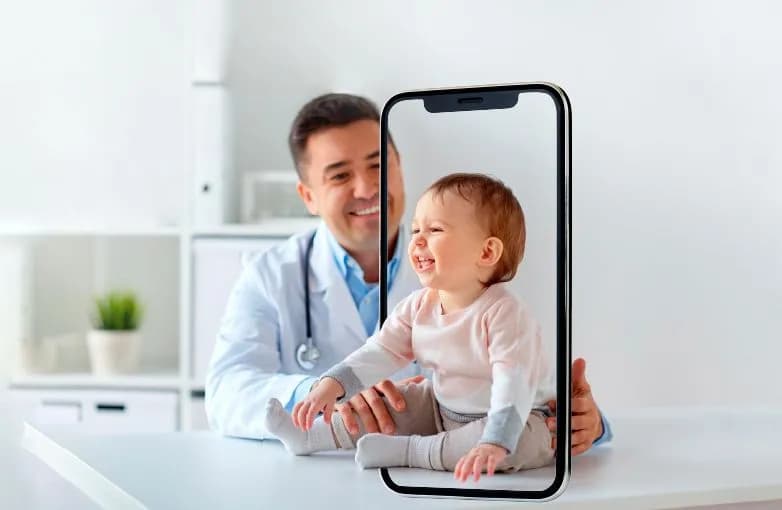
The role of virtual assistants in healthcare CRM is pivotal in modern healthcare. By automating routine tasks, supporting personalized patient engagement, and assisting healthcare staff, these AI-powered tools are revolutionizing the way hospitals manage patient relationships. When implemented thoughtfully, virtual assistants not only improve operational efficiency but also enhance patient satisfaction, adherence to care plans, and overall healthcare outcomes. For healthcare organizations looking to thrive in the digital age, integrating virtual assistants into their CRM strategy is no longer optional—it is essential.
The Doctorna editorial desk writes about healthcare operations, patient experience and the systems clinics use to connect them.