Top Benefits of Healthcare CRM for Hospitals and Clinics
In today’s fast-evolving healthcare landscape, hospitals and clinics are under constant pressure to deliver high-quality patient care while managing operations


In today’s fast-evolving healthcare landscape, hospitals and clinics are under constant pressure to deliver high-quality patient care while managing operations efficiently. Patient expectations are higher than ever, administrative workloads are increasing, and competition among healthcare providers is growing. This is where a Healthcare CRM (Customer Relationship Management) system becomes a powerful tool. Unlike traditional CRMs, healthcare CRM platforms are designed specifically to manage patient relationships, streamline workflows, and support compliance needs. Below are the top benefits of healthcare CRM for hospitals and clinics.
1. Improved Patient Engagement and Experience
One of the most significant benefits of healthcare CRM is enhanced patient engagement. CRM systems centralize patient data, including appointment history, preferences, communication records, and follow-ups. This allows hospitals and clinics to interact with patients in a more personalized and timely manner.
Automated appointment reminders, follow-up messages, and wellness notifications help reduce missed appointments and improve patient satisfaction. When patients feel informed and cared for throughout their healthcare journey, trust and loyalty naturally increase.
2. Centralized Patient Data Management
Healthcare organizations deal with vast amounts of patient information daily. A healthcare CRM acts as a centralized repository where patient demographics, communication history, and engagement data are stored securely.
By having all relevant information in one place, staff can quickly access patient records, reducing errors caused by fragmented systems. This centralized approach improves coordination between departments and ensures that every team member has the information they need to provide consistent care.
3. Streamlined Administrative Processes
Administrative tasks often consume a large portion of a healthcare provider’s time and resources. Healthcare CRM systems automate many routine processes such as appointment scheduling, patient intake, follow-ups, and billing reminders.
Automation reduces manual work, minimizes human error, and frees up staff to focus on more critical tasks. For hospitals and clinics, this means smoother daily operations and improved overall efficiency.
4. Enhanced Communication Across Teams
Effective communication is essential in healthcare environments. A healthcare CRM improves internal communication by providing shared access to patient interactions and updates. Doctors, nurses, administrative staff, and management teams can stay aligned without relying on lengthy email threads or manual updates.
This transparency helps ensure continuity of care, especially for patients who interact with multiple departments or specialists within the same healthcare facility.
5. Better Patient Retention and Loyalty
Acquiring new patients is often more expensive than retaining existing ones. Healthcare CRM systems support patient retention by enabling proactive engagement strategies. Personalized messages, preventive care reminders, and post-treatment follow-ups show patients that the healthcare provider genuinely cares about their well-being.
When patients feel valued and supported, they are more likely to return for future services and recommend the hospital or clinic to others.
6. Data-Driven Insights and Reporting
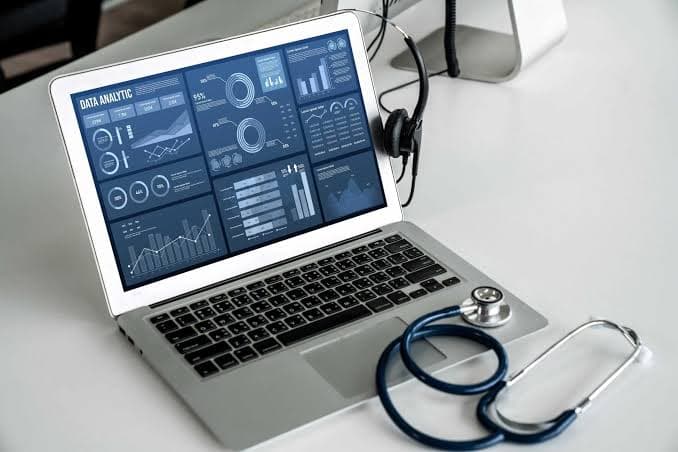
Healthcare CRM platforms provide powerful analytics and reporting tools that help hospitals and clinics make informed decisions. By analyzing patient behavior, appointment trends, and engagement levels, healthcare providers can identify gaps in services and areas for improvement.
These insights support better planning, improved resource allocation, and more effective marketing strategies. Over time, data-driven decisions lead to better patient outcomes and stronger organizational performance.
7. Improved Care Coordination
For patients with complex conditions, care often involves multiple touchpoints. Healthcare CRM systems support better care coordination by tracking patient interactions across the entire care journey.
This ensures timely follow-ups, reduces duplicated efforts, and helps healthcare professionals stay informed about a patient’s status. Improved coordination leads to better clinical outcomes and a more seamless patient experience.
8. Scalability for Growing Healthcare Organizations
As hospitals and clinics grow, managing patient relationships becomes increasingly complex. A healthcare CRM is scalable, allowing organizations to add new features, users, or integrations as needed.
Whether expanding services, opening new branches, or increasing patient volume, a CRM system grows with the organization and supports long-term operational success.
9. Compliance and Data Security Support
Healthcare CRMs are designed with data security and compliance in mind. They help hospitals and clinics manage patient data responsibly by offering secure access controls, audit trails, and encrypted data storage.
This reduces the risk of data breaches and helps organizations align with healthcare data protection standards, giving both providers and patients peace of mind.

Conclusion
Implementing a healthcare CRM is no longer a luxury—it is a strategic necessity for hospitals and clinics aiming to deliver patient-centered care while maintaining operational efficiency. From improving patient engagement and retention to streamlining administrative tasks and enabling data-driven decisions, the benefits are wide-ranging. By adopting the right healthcare CRM solution, healthcare organizations can strengthen patient relationships, enhance care quality, and build a more sustainable future.
The Doctorna editorial desk writes about healthcare operations, patient experience and the systems clinics use to connect them.