

In today’s digital healthcare landscape, patient expectations are higher than ever. They seek convenience, personalized experiences, and seamless communication with their healthcare providers. To meet these expectations, healthcare organizations are increasingly adopting Customer Relationship Management (CRM) systems. A Healthcare CRM isn’t just about managing data—it’s about building stronger, more meaningful relationships with patients, improving outcomes, and enhancing operational efficiency.
This blog explores the role of CRM in patient relationship management, its benefits, and how it transforms the way healthcare organizations connect with their patients.
1. Understanding Healthcare CRM
A Healthcare Customer Relationship Management (CRM) system is a software solution designed specifically for the healthcare industry. It collects, stores, and manages patient data, helping healthcare providers track interactions, automate communication, and personalize care.
Unlike traditional CRMs used in other industries, a healthcare CRM integrates with electronic health records (EHRs), appointment scheduling systems, and communication tools to create a unified view of each patient. This holistic approach enables hospitals, clinics, and other medical institutions to deliver a more coordinated and patient-centered experience.
2. The Importance of Patient Relationship Management
In healthcare, patient relationship management goes beyond appointment reminders and follow-up calls. It’s about nurturing trust, engagement, and loyalty over time. Patients today want healthcare providers who understand their history, preferences, and needs.
A CRM system plays a critical role in this process by:
- Tracking every patient interaction—appointments, consultations, prescriptions, and feedback.
- Enabling personalized communication through targeted messaging and reminders.
- Supporting proactive care by identifying trends in patient health and engagement.
With CRM, providers can deliver consistent and compassionate care that extends beyond the hospital walls.
3. Centralizing Patient Information
One of the biggest challenges in healthcare is managing patient data across multiple departments and systems. Fragmented data often leads to miscommunication, errors, and inefficiency.
A CRM system centralizes all patient data—demographics, medical history, lab results, billing information, and communication records—into a single database. This unified platform ensures that every authorized healthcare professional has access to accurate, real-time patient information.
The result? Improved collaboration, faster decision-making, and a more streamlined patient experience.
4. Enhancing Patient Communication
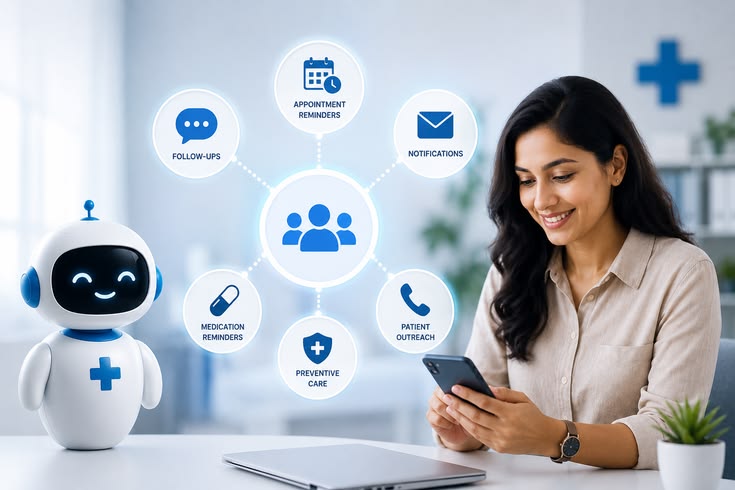
Effective communication is at the heart of strong patient relationships. A healthcare CRM simplifies and automates communication across multiple channels—SMS, email, patient portals, and mobile apps.
Some key CRM communication features include:
- Automated reminders for appointments, medication, and follow-ups.
- Personalized health tips and wellness updates based on patient profiles.
- Feedback collection to understand patient satisfaction and improve services.
- Two-way communication via chat or secure messaging to enhance engagement.
By ensuring timely and personalized communication, healthcare organizations can boost patient satisfaction and retention rates.
5. Personalizing Patient Care
Every patient is unique, and personalization is key to building long-term trust. A healthcare CRM analyzes patient data to deliver tailored care plans, treatment recommendations, and communication strategies.
For example:
- Patients with chronic conditions can receive customized care reminders.
- Preventive care campaigns can target specific age groups or risk factors.
- Follow-up messages can be personalized based on previous treatments or visits.
This level of personalization not only improves health outcomes but also enhances patient loyalty and engagement.
6. Improving Operational Efficiency
Beyond patient interaction, CRMs also streamline administrative and operational workflows. Healthcare organizations can automate repetitive tasks like appointment scheduling, billing follow-ups, and patient onboarding.
Moreover, CRM analytics can help healthcare managers:
- Monitor staff performance.
- Identify process bottlenecks.
- Optimize resource allocation.
- Reduce administrative costs.
By integrating CRM with other healthcare systems, organizations can achieve better coordination and efficiency, allowing medical professionals to focus more on patient care.
7. Strengthening Patient Retention and Loyalty
In a competitive healthcare environment, patient retention is as important as patient acquisition. A CRM system helps nurture long-term relationships by staying connected with patients even after their treatment.
Through automated engagement tools, healthcare providers can:
- Send regular wellness updates or newsletters.
- Offer loyalty programs or special health check-up packages.
- Reconnect with inactive patients through personalized campaigns.
When patients feel valued and remembered, they are more likely to return for future care and recommend the provider to others.
8. Leveraging Data for Better Decisions
Data-driven decision-making is another major advantage of healthcare CRM systems. By analyzing patient behavior, demographics, and feedback, healthcare organizations can identify patterns and improve strategies.
For example:
- Predictive analytics can help identify patients at risk of chronic diseases.
- Trend analysis can reveal which services are most in demand.
- Patient feedback can guide quality improvement initiatives.
These insights help healthcare providers offer more proactive, efficient, and value-based care.
9. Ensuring Compliance and Security
Data security and compliance are critical in healthcare. A reliable healthcare CRM is designed to meet industry regulations like HIPAA and GDPR, ensuring that all patient data is stored and shared securely.
Access controls, encryption, and audit trails protect sensitive information while maintaining transparency and accountability. This builds patient trust and safeguards the organization’s reputation.
10. The Future of CRM in Healthcare
As AI, automation, and predictive analytics evolve, the role of CRM in patient relationship management will only grow stronger. Future healthcare CRMs will leverage technologies like machine learning to anticipate patient needs, automate administrative workflows, and provide real-time insights into patient behavior.
With these innovations, healthcare providers can deliver a more connected, efficient, and empathetic patient experience—transforming healthcare from reactive to proactive care.

Final Thoughts
A Healthcare CRM is more than just a technology tool—it’s a strategic asset that empowers healthcare organizations to understand, engage, and care for patients more effectively.
By improving communication, personalizing care, and streamlining operations, CRM systems strengthen patient relationship management at every touchpoint. In a world where patient experience defines success, CRM stands as the foundation of modern, patient-centered healthcare.