Why Behavioral Health Providers Benefit From CRM
In behavioral health, where trust, empathy, and long-term relationships form the foundation of care, managing patient interactions effectively is crucial.


In behavioral health, where trust, empathy, and long-term relationships form the foundation of care, managing patient interactions effectively is crucial. Whether it’s therapy sessions, psychiatric evaluations, or community wellness programs, behavioral health providers handle sensitive patient data, complex treatment histories, and ongoing communication needs. Unfortunately, manual systems and fragmented tools often make it challenging to deliver consistent, personalized, and coordinated care.
This is where a Customer Relationship Management (CRM) system becomes transformative. Beyond its business roots, CRM technology is now empowering healthcare—and especially behavioral health providers—to improve patient engagement, streamline operations, and enhance treatment outcomes. Let’s explore how CRM solutions are reshaping behavioral health practices and why they’ve become indispensable in today’s digital care environment.
1. Centralized Patient Data for Holistic Care
Behavioral health providers often work with patients over extended periods, tracking progress across therapy sessions, medications, and social factors. Managing all this information can be overwhelming without a unified system. A CRM centralizes all patient data—from appointment history and case notes to medication records and communication logs—into one secure platform.
With a 360-degree view of each patient, therapists and clinicians can better understand behavioral patterns, track treatment plans, and identify progress or warning signs early. This comprehensive insight supports holistic, personalized care, ensuring that every professional involved in the patient’s treatment is informed and aligned.
By eliminating data silos, CRMs make collaboration easier among therapists, psychiatrists, case managers, and administrative staff—an essential advantage in behavioral health care.
2. Improved Patient Engagement and Retention
In behavioral health, patient engagement isn’t just about appointment attendance—it’s about building trust and consistency. A CRM helps providers maintain continuous, meaningful engagement by automating personalized communications.
From appointment reminders to motivational messages and post-session check-ins, CRMs can automate yet personalize communication based on each patient’s progress and preferences. This level of connection helps patients feel supported between sessions, reducing drop-offs and improving adherence to treatment plans.
For example, if a patient misses a session, the CRM can trigger an automated follow-up message encouraging rescheduling or provide self-care resources. This proactive outreach demonstrates care and empathy—qualities that strengthen relationships and boost retention.
3. Streamlined Scheduling and Workflow Efficiency
Behavioral health practices often struggle with scheduling conflicts, cancellations, and administrative overload. A CRM streamlines these workflows by integrating appointment scheduling, reminders, billing, and case tracking within a single system.
Patients receive automated reminders via email or SMS, reducing no-show rates and administrative burden. Staff, meanwhile, gain visibility into schedules, treatment plans, and patient communications in one dashboard.
This improved efficiency allows providers to spend less time on paperwork and more time focusing on patient care—a shift that directly improves both satisfaction and clinical outcomes.
4. Enhanced Collaboration Among Care Teams
Behavioral health treatment frequently involves multi-disciplinary collaboration among psychiatrists, psychologists, social workers, and primary care physicians. Without a centralized communication tool, critical information can fall through the cracks.
A CRM acts as a collaborative hub, ensuring that everyone involved in a patient’s care can securely share notes, updates, and treatment progress in real-time. For example, if a therapist records a change in a patient’s emotional state, the psychiatrist can instantly access that information and adjust medication accordingly.
This streamlined communication minimizes duplication, reduces clinical errors, and strengthens the continuity of care—key drivers of better patient outcomes in behavioral health.
5. Secure Data Management and Compliance
Because behavioral health data is particularly sensitive, privacy and compliance are paramount. Modern CRMs are designed with robust security features like encryption, role-based access control, and audit trails to protect patient information.
They also help providers stay compliant with healthcare regulations such as HIPAA (Health Insurance Portability and Accountability Act) in the U.S. or similar frameworks globally. By maintaining secure records and documentation trails, behavioral health organizations can ensure compliance while building patient trust.
This is especially important as telehealth and remote counseling become more common, requiring reliable, compliant digital tools to protect patient confidentiality.
6. Better Tracking of Treatment Progress
Behavioral health providers rely heavily on tracking patient progress over time—both quantitatively and qualitatively. A CRM system enables data-driven insights into patient behavior, engagement, and outcomes.
Providers can use built-in analytics tools to identify patterns, such as which interventions yield the best results, or when patients are most likely to miss appointments. Dashboards can visualize trends in therapy adherence, symptom improvement, or satisfaction scores, helping providers refine their approaches and personalize care.
Moreover, progress reports generated by CRM systems can be shared with patients, empowering them to see their own growth and stay motivated throughout treatment.
7. Integration With Telehealth and Mobile Apps
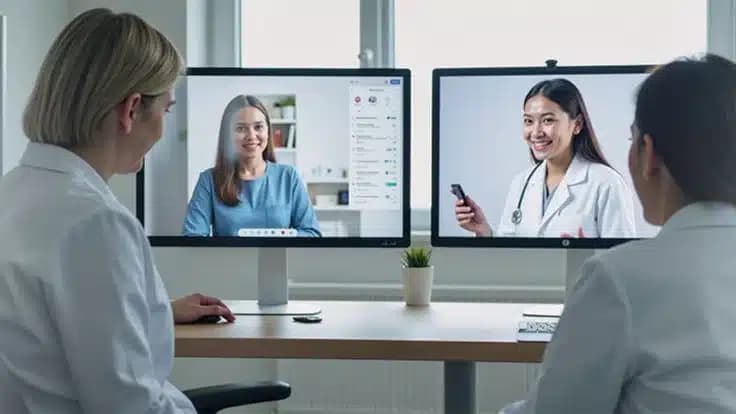
The behavioral health field has embraced telemedicine as a way to expand access to care and reduce stigma. A CRM can integrate seamlessly with telehealth platforms and mobile apps, providing a unified system for virtual appointments, progress tracking, and digital communication.
For instance, therapists can schedule and launch video sessions directly from the CRM, while patients can receive reminders, payment links, and follow-up resources via a connected mobile app.
This digital integration ensures that patients can engage with their care on their terms—anytime, anywhere—making therapy more accessible and consistent.
8. Automated Follow-Ups and Aftercare Support
Successful behavioral health care doesn’t end after a session. Post-care communication and ongoing support are critical to sustained improvement. A CRM automates follow-up processes, sending check-ins or mental wellness resources to patients after appointments.
Providers can set reminders for long-term follow-ups, ensuring that patients who complete therapy continue to receive periodic support or referrals. Automated surveys can also collect feedback, helping providers gauge satisfaction and identify areas for improvement.
These automated yet compassionate touchpoints strengthen long-term relationships, prevent relapse, and reinforce patient loyalty.
9. Data Analytics for Organizational Growth
Beyond patient care, CRM analytics offer valuable business insights for behavioral health practices. Providers can analyze appointment trends, referral sources, and staff productivity to make informed decisions about resource allocation and service expansion.
For example, data might reveal a growing demand for adolescent counseling services or a specific geographic area showing higher engagement. With these insights, providers can adapt their strategies to meet community needs more effectively.
This level of operational intelligence helps practices grow sustainably while staying aligned with patient needs and expectations.

Conclusion
Behavioral health providers face unique challenges—sensitive data management, complex treatment coordination, and the need for continuous patient engagement. A CRM system addresses all these pain points by bringing efficiency, personalization, and insight to every stage of care.
By centralizing information, improving communication, and enabling data-driven decision-making, CRMs empower providers to focus on what truly matters: the patient’s mental and emotional well-being.
In an era where technology and empathy must coexist, CRM platforms bridge the gap between compassionate care and operational excellence. For behavioral health organizations striving to enhance outcomes and satisfaction, adopting a CRM isn’t just beneficial—it’s essential for the future of patient-centered care.
The Doctorna editorial desk writes about healthcare operations, patient experience and the systems clinics use to connect them.