Why CRMs Help Identify High-Risk Patients Quickly
In today’s fast-paced healthcare landscape, speed and accuracy in patient care can make all the difference. Healthcare organizations handle vast


In today’s fast-paced healthcare landscape, speed and accuracy in patient care can make all the difference. Healthcare organizations handle vast amounts of patient data every day — from medical histories to treatment outcomes and lifestyle details. However, without an efficient system to organize, analyze, and act on this data, crucial insights may go unnoticed. This is where Customer Relationship Management (CRM) systems are transforming healthcare operations. A healthcare CRM doesn’t just manage patient interactions; it plays a critical role in identifying high-risk patients quickly, enabling faster interventions, better outcomes, and reduced hospital readmissions.
Understanding Healthcare CRM Systems
A Healthcare CRM is a centralized platform that collects and integrates data from various sources — such as electronic health records (EHRs), lab results, appointment schedules, wearable devices, and patient feedback forms. Unlike traditional CRM systems that focus mainly on customer relations and sales, healthcare CRMs are built with a patient-centric approach.
These systems leverage artificial intelligence (AI), predictive analytics, and machine learning to help medical professionals track patient journeys, predict risks, and tailor communication for prevention and engagement. When properly implemented, a healthcare CRM becomes a powerful data intelligence hub that provides actionable insights to clinical teams and healthcare administrators alike.
The Growing Need for Quick Risk Identification
Healthcare providers face rising pressure to manage chronic diseases, prevent hospital readmissions, and reduce healthcare costs. Identifying high-risk patients — such as those prone to diabetes, heart disease, or mental health crises — early in the care cycle allows for timely intervention and resource optimization.
However, manual review of patient records or isolated databases can delay risk detection. Incomplete data or fragmented communication among departments can also result in missed warning signs. A CRM addresses these challenges by unifying all data into a single source of truth and automating analysis to flag potential risks in real time.
How CRMs Identify High-Risk Patients Quickly
1. Centralized Data Integration
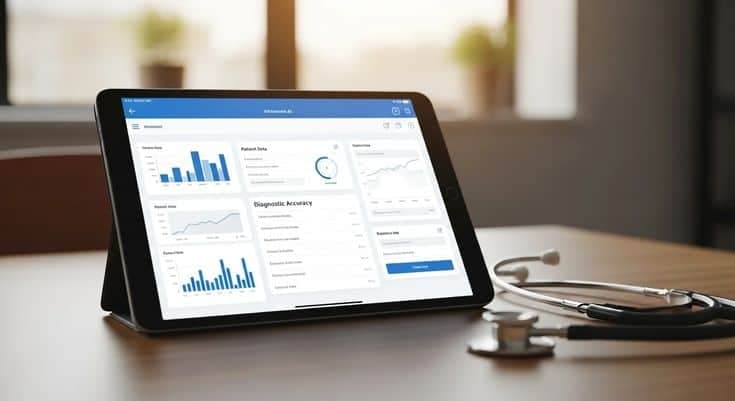
A healthcare CRM consolidates data from EHRs, wearable devices, billing systems, and communication platforms into one unified dashboard. This integration gives clinicians a 360-degree view of each patient’s history — including past hospitalizations, medication adherence, lifestyle patterns, and test results.
For example, if a patient’s blood pressure trends or glucose levels start deviating from normal ranges, the CRM can automatically trigger alerts to care managers. This early detection mechanism prevents conditions from worsening, reducing emergency admissions and improving outcomes.
2. Predictive Analytics and AI Modeling
Modern healthcare CRMs use predictive algorithms to evaluate risk factors. By analyzing historical and real-time data, the system can predict which patients are most likely to experience complications or readmissions.
For instance, an AI-powered CRM might analyze thousands of patient profiles and detect correlations — such as how specific medication combinations or lifestyle habits contribute to cardiac risk. These insights help clinicians focus their efforts on individuals who need immediate attention, ensuring that resources are allocated efficiently.
3. Automated Risk Scoring
CRMs can assign risk scores to patients based on predefined parameters such as age, chronic conditions, recent lab results, or missed follow-ups. A patient with multiple comorbidities and irregular appointment history, for instance, may automatically receive a high-risk flag.
These scores help medical teams quickly prioritize their outreach, ensuring that high-risk individuals receive timely care coordination, follow-up reminders, and lifestyle guidance before issues escalate.
4. Improved Care Coordination
High-risk patients often require coordinated efforts among multiple healthcare providers — from primary physicians to specialists and care managers. CRMs facilitate seamless communication by ensuring everyone involved has access to up-to-date patient data.
This reduces the risk of duplication or oversight and ensures that all care providers are aligned in treatment plans. Automated reminders and patient engagement tools also ensure patients adhere to prescribed therapies, significantly lowering readmission probabilities.
5. Proactive Patient Engagement
CRMs enable healthcare providers to stay connected with patients through automated emails, SMS alerts, and app notifications. High-risk patients can receive personalized wellness reminders, medication alerts, or telehealth appointment invitations.
Such proactive communication not only helps patients stay on track but also fosters trust and engagement — both crucial factors for long-term health management. Engaged patients are more likely to report symptoms early, helping clinicians intervene before conditions worsen.

Benefits for Healthcare Organizations
Implementing a CRM system to identify high-risk patients brings multiple advantages to healthcare providers:
- Faster Decision-Making: Automated data analysis allows clinicians to act before risks escalate.
- Reduced Costs: Early detection and preventive care reduce hospital readmissions and emergency treatments.
- Enhanced Patient Experience: Patients receive more personalized, timely, and proactive care.
- Operational Efficiency: Staff spend less time on manual data review and more time on patient interaction.
- Regulatory Compliance: CRMs maintain accurate, traceable records that align with healthcare data privacy standards like HIPAA.
Integration with Web and Mobile Platforms
As healthcare increasingly moves online, integrating CRM systems with web and mobile applications is becoming standard. Patients can access personalized dashboards, book appointments, and receive alerts via mobile apps, while healthcare professionals monitor data remotely.
These integrations enhance real-time communication and make predictive care more accessible. For example, mobile health (mHealth) apps synced with a CRM can track patient vitals and instantly update their risk status if abnormalities are detected.
Such connected ecosystems create a bridge between mobile app development, web platforms, and healthcare data systems, ensuring continuous patient monitoring and faster intervention.
Conclusion
In the era of data-driven healthcare, CRM systems are indispensable tools for identifying high-risk patients quickly. By combining centralized data management, predictive analytics, and intelligent automation, CRMs empower healthcare providers to deliver preventive care rather than reactive treatment.
The result is a healthier patient population, reduced operational costs, and improved overall care quality. As healthcare continues to evolve, organizations that invest in CRM technology will not only detect risks faster but also build stronger, more meaningful relationships with their patients — ensuring better outcomes and long-term loyalty.
The Doctorna editorial desk writes about healthcare operations, patient experience and the systems clinics use to connect them.