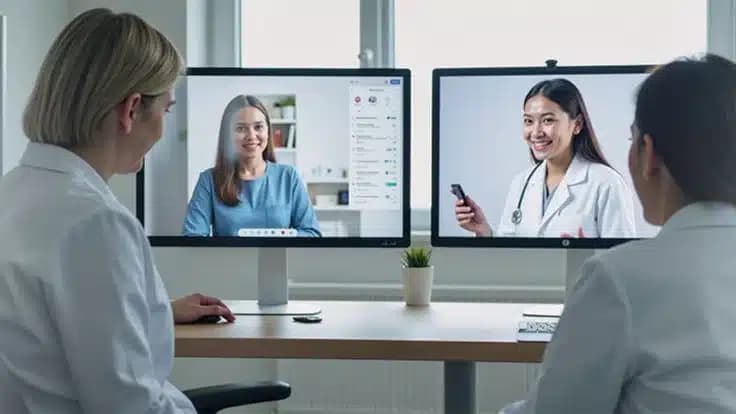
Why Healthcare Organizations Need a CRM System
In today’s fast-paced healthcare environment, patient expectations are higher than ever. Patients want timely communication, personalized care, and seamless interactions

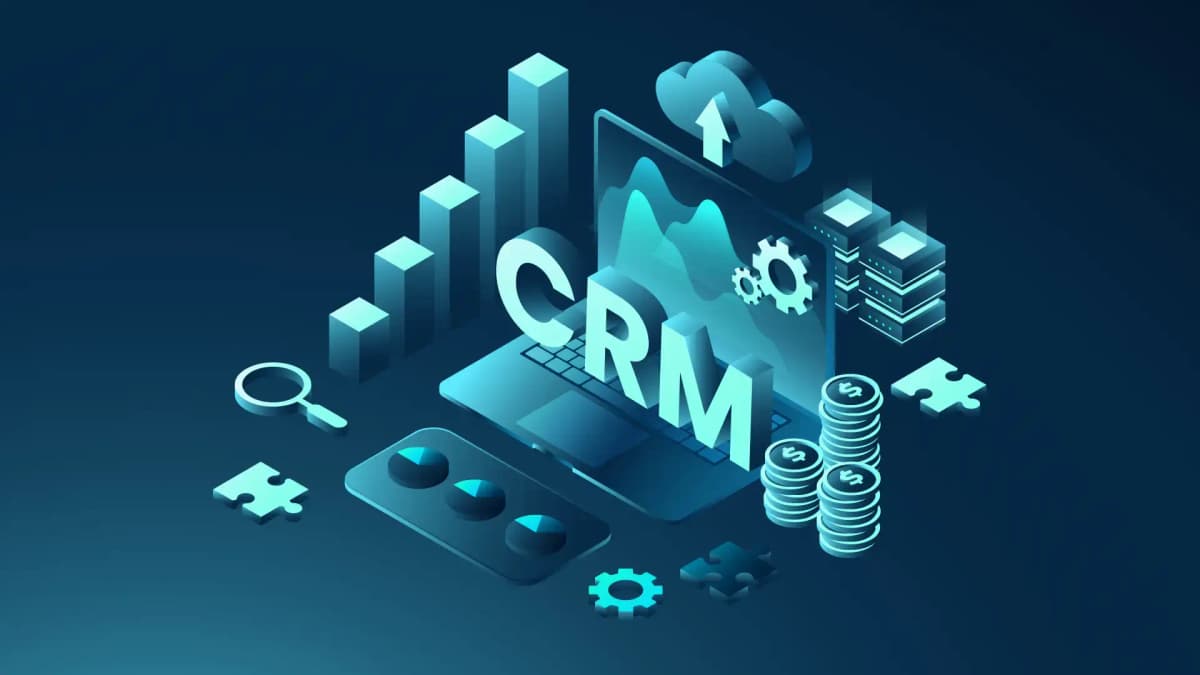
In today’s fast-paced healthcare environment, patient expectations are higher than ever. Patients want timely communication, personalized care, and seamless interactions with healthcare providers. To meet these demands, healthcare organizations need tools that go beyond traditional record-keeping and appointment scheduling. One such indispensable tool is a Customer Relationship Management (CRM) system. Understanding why healthcare organizations need a CRM system is crucial for modern medical practices looking to improve patient care, operational efficiency, and overall revenue.
Understanding Healthcare CRM Systems
A healthcare CRM system is a specialized platform designed to manage interactions with patients, streamline administrative processes, and improve overall service delivery. Unlike generic CRMs, healthcare-focused systems integrate medical records, patient communication, billing information, and analytics into a single platform. This integration allows healthcare providers to gain a comprehensive view of each patient’s journey, improving both care outcomes and operational decision-making.
By consolidating information and automating routine tasks, a CRM system helps healthcare organizations save time, reduce errors, and enhance the patient experience. From small clinics to large hospital networks, CRM systems have become essential for managing the complex and sensitive nature of healthcare interactions.
Key Reasons Healthcare Organizations Need a CRM System
1. Improved Patient Relationship Management
At its core, a CRM system is designed to manage relationships. In healthcare, building strong patient relationships is vital for both satisfaction and retention. A CRM system helps track patient interactions, medical histories, and preferences, enabling providers to offer personalized care.
For instance, reminders for check-ups, follow-up appointments, and medication schedules can be automated, reducing the likelihood of missed visits. Personalized communication fosters trust and loyalty, ensuring that patients feel valued and understood.
2. Streamlined Appointment Scheduling
Managing appointments efficiently is a critical challenge for healthcare organizations. Missed or double-booked appointments can lead to revenue loss and decreased patient satisfaction. A CRM system centralizes appointment scheduling, offering real-time availability updates and automated reminders for both staff and patients.
By streamlining scheduling, healthcare providers can optimize resource allocation, reduce no-shows, and ensure that patients receive timely care, which directly contributes to better operational performance and revenue growth.
3. Enhanced Data Management and Accessibility
Healthcare generates vast amounts of data, from medical records and insurance information to treatment histories and lab results. A CRM system consolidates this data into a secure, centralized platform, making it easily accessible to authorized staff.
Enhanced data management reduces administrative errors, improves communication among departments, and supports informed clinical decision-making. Additionally, centralized data storage ensures compliance with regulations like HIPAA by controlling access and maintaining secure audit trails.
4. Better Patient Engagement and Communication
Effective communication is a cornerstone of quality healthcare. CRM systems enable personalized messaging through multiple channels, including email, SMS, and mobile apps. Whether it’s a preventive care reminder, lab result notification, or health education campaign, a CRM system ensures that patients stay informed and engaged.
Engaged patients are more likely to follow treatment plans, attend appointments, and recommend the healthcare provider to others. This engagement not only enhances patient outcomes but also improves the organization’s reputation and revenue.
5. Data-Driven Insights for Improved ROI
One of the most compelling reasons healthcare organizations need a CRM system is the analytical capability it offers. Modern CRM platforms provide detailed reporting and analytics, allowing healthcare organizations to track key performance indicators such as patient retention rates, treatment outcomes, and revenue trends.
By leveraging these insights, healthcare providers can make informed strategic decisions, optimize marketing campaigns, and identify opportunities for service expansion. Data-driven strategies contribute to increased efficiency and profitability, ultimately boosting the organization’s return on investment (ROI).
6. Regulatory Compliance and Security
Healthcare organizations are subject to stringent data protection regulations, including HIPAA in the United States and GDPR in Europe. A CRM system ensures that patient data is securely stored, encrypted, and accessed only by authorized personnel.
Additionally, CRM platforms maintain detailed audit trails, helping organizations stay compliant during inspections or audits. By managing security and compliance efficiently, healthcare organizations reduce the risk of data breaches and legal penalties.
7. Integration with Other Healthcare Systems
Healthcare CRM systems often integrate seamlessly with Electronic Health Records (EHR), practice management software, telemedicine platforms, and billing systems. This integration ensures that all patient-related data flows smoothly across systems, reducing duplication, errors, and administrative overhead.
An integrated system enhances workflow efficiency, allowing healthcare staff to focus on patient care rather than paperwork. Smooth integration also improves the overall patient experience by providing consistent, coordinated care.

Conclusion
The healthcare industry is evolving rapidly, and organizations must adapt to meet rising patient expectations while maintaining operational efficiency. A CRM system offers a comprehensive solution to these challenges by improving patient relationship management, streamlining appointments, enhancing data accessibility, and providing actionable insights.
Understanding why healthcare organizations need a CRM system goes beyond recognizing its technological benefits—it’s about enhancing patient satisfaction, ensuring regulatory compliance, optimizing operations, and ultimately boosting revenue. From personalized patient engagement to secure data management and analytics-driven decisions, a healthcare CRM system is no longer optional—it’s a necessity for any organization committed to delivering high-quality care in today’s competitive healthcare landscape.
By implementing a robust CRM system, healthcare organizations can not only improve patient care but also strengthen their operational foundation, maximize ROI, and secure a competitive advantage in the evolving healthcare ecosystem.
The Doctorna editorial desk writes about healthcare operations, patient experience and the systems clinics use to connect them.