Why Healthcare Organizations Need CRM Systems
The healthcare industry is experiencing rapid transformation, driven by technological advancements, patient expectations, and the need for operational efficiency. As


The healthcare industry is experiencing rapid transformation, driven by technological advancements, patient expectations, and the need for operational efficiency. As we move into 2025, healthcare organizations are under increasing pressure to deliver personalized, efficient, and data-driven care. One technology that is proving essential in meeting these demands is Customer Relationship Management (CRM) systems.
CRM systems, traditionally associated with sales and marketing, have evolved into powerful tools for healthcare providers. They enable organizations to manage patient relationships, streamline workflows, and leverage data to improve clinical and operational outcomes. Here’s why healthcare organizations cannot afford to ignore CRM systems in 2025.
1. The Rise of Patient-Centric Care
Patients today are more informed and expect a personalized experience from their healthcare providers. They want timely communication, easy access to their medical information, and care that fits their lifestyle.
CRM systems allow healthcare organizations to adopt a patient-centric approach by:
- Maintaining detailed patient profiles, including medical history, preferences, and engagement patterns.
- Tracking interactions and communication to ensure consistent, personalized experiences.
- Sending automated reminders for appointments, medication, and preventive care.
By integrating CRM systems, healthcare providers can build stronger relationships with patients, increasing satisfaction and loyalty. A satisfied patient is not only more likely to adhere to treatment plans but also to recommend the provider, enhancing the organization’s reputation.
2. Efficient Management of Patient Data
Healthcare organizations generate massive amounts of data from Electronic Health Records (EHRs), lab tests, imaging, and patient communications. Managing this data manually can be overwhelming and prone to errors.
A CRM system centralizes patient data, providing a single source of truth for healthcare providers. This enables:
- Quick access to complete patient histories for better decision-making.
- Reduced duplication of tests and procedures.
- Improved coordination among care teams, especially for patients with chronic or complex conditions.
With centralized data, providers can offer more precise and timely care, which is critical in a competitive healthcare landscape.
3. Streamlined Communication and Engagement
Effective communication is a cornerstone of quality healthcare. Patients need timely updates, follow-ups, and educational resources to stay engaged in their care.
CRM systems enhance communication by automating personalized messaging:
- Appointment reminders through SMS, email, or mobile apps.
- Educational content tailored to patient conditions or treatments.
- Notifications for test results, follow-ups, or vaccination schedules.
In 2025, patients expect multi-channel communication and instant responses. A CRM system ensures healthcare organizations meet these expectations while reducing administrative workload.
4. Proactive Chronic Disease Management
Chronic diseases like diabetes, hypertension, and cardiovascular conditions require continuous monitoring and care. Healthcare organizations need systems that can track patient progress, predict risks, and facilitate early interventions.
CRM systems equipped with analytics and automation help providers:
- Monitor vital signs and treatment adherence through wearable integrations.
- Identify patients at risk of complications and trigger proactive interventions.
- Generate personalized care plans that evolve with the patient’s condition.
By leveraging CRM systems for chronic care management, healthcare providers can improve patient outcomes, reduce hospital readmissions, and lower overall healthcare costs.
5. Data-Driven Decision Making
In 2025, healthcare organizations are increasingly relying on data to drive strategic decisions. CRM systems provide actionable insights through analytics dashboards, reports, and predictive modeling.
Key benefits include:
- Identifying trends in patient behavior and treatment outcomes.
- Measuring the effectiveness of patient engagement campaigns.
- Optimizing resource allocation and operational workflows.
Healthcare leaders can make more informed decisions, plan for population health initiatives, and invest in services that deliver the highest impact.
6. Enhancing Collaboration Among Care Teams
Modern healthcare often involves multidisciplinary teams, including doctors, nurses, dietitians, physiotherapists, and care coordinators. Effective collaboration is essential for seamless care delivery.
CRM systems serve as a central platform for team coordination, allowing:
- Real-time access to patient updates and shared notes.
- Task assignments and reminders for follow-ups or interventions.
- Streamlined communication across departments, reducing errors and duplication.
This collaborative approach ensures that every member of the care team works cohesively toward patient-centered goals.
7. Regulatory Compliance and Security
Healthcare organizations must comply with strict regulations like HIPAA and GDPR, ensuring patient data is secure and privacy is maintained. CRM systems in 2025 are designed with robust security protocols and compliance features:
- Encrypted data storage and transmission.
- Role-based access control for staff members.
- Audit trails to track changes and ensure accountability.
By implementing CRM systems, healthcare providers can manage sensitive data securely while meeting regulatory requirements, reducing legal and financial risks.
8. Improving Operational Efficiency
Administrative tasks such as appointment scheduling, billing, follow-ups, and reporting can consume significant time and resources. CRM systems automate these processes, freeing staff to focus on clinical care and patient engagement.
Benefits include:
- Reduced paperwork and manual errors.
- Faster response times for patient inquiries.
- Optimized scheduling to balance patient load and resource utilization.
Improved operational efficiency translates into higher productivity, reduced costs, and better patient experiences — all critical factors for healthcare organizations in 2025.
9. Future-Proofing Healthcare Organizations
The healthcare industry is rapidly adopting emerging technologies such as AI, telemedicine, and remote monitoring. CRM systems provide a scalable and flexible platform that can integrate with these technologies, enabling healthcare organizations to stay ahead in a digital-first world.
For example:
- AI-powered CRMs can predict patient risks and suggest interventions.
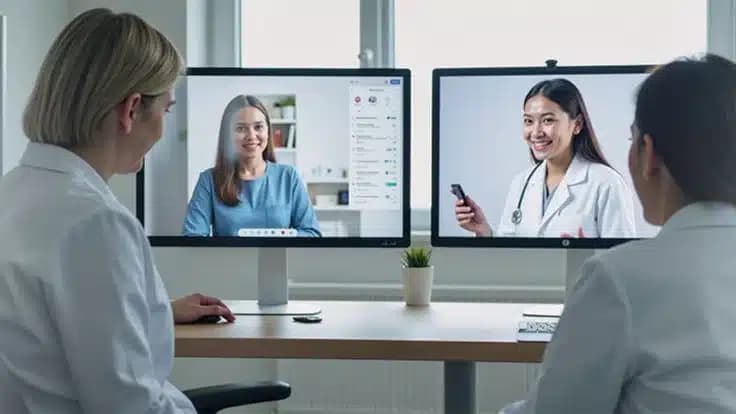
- Integration with telehealth platforms allows seamless virtual care.
- Remote monitoring tools can feed data directly into the CRM for continuous patient tracking.
By adopting CRM systems today, healthcare providers position themselves to leverage future innovations, ensuring they remain competitive and patient-focused.

Conclusion
In 2025, CRM systems are no longer optional for healthcare organizations — they are essential tools for delivering high-quality, personalized, and efficient care. By centralizing patient data, improving communication, supporting chronic disease management, and enabling data-driven decision-making, CRM systems transform the way healthcare providers interact with patients and manage operations.
Healthcare organizations that embrace CRM technology can enhance patient outcomes, increase operational efficiency, maintain regulatory compliance, and stay ahead in a rapidly evolving digital landscape. In short, CRM systems are the foundation for modern, patient-centric healthcare, ensuring that providers can meet the demands and expectations of tomorrow’s healthcare environment.
The Doctorna editorial desk writes about healthcare operations, patient experience and the systems clinics use to connect them.