Why Healthcare Organizations Should Invest in CRM Solutions
In today’s fast-paced healthcare environment, patient expectations are higher than ever. Patients want personalized care, timely communication, and a seamless


In today’s fast-paced healthcare environment, patient expectations are higher than ever. Patients want personalized care, timely communication, and a seamless experience from the moment they schedule an appointment to post-treatment follow-ups. To meet these expectations, healthcare organizations need tools that not only manage administrative tasks but also enhance patient engagement and satisfaction. This is where Customer Relationship Management (CRM) solutions come into play. Why Healthcare Organizations Should Invest in CRM Solutions is a crucial question for healthcare providers aiming to improve operational efficiency and foster stronger patient relationships.
Understanding Healthcare CRM
Healthcare CRM systems are software platforms designed to manage interactions between healthcare providers and patients. Unlike traditional administrative tools that focus solely on scheduling and billing, CRM solutions prioritize relationship management. They centralize patient information, track interactions, automate communications, and provide data-driven insights that help healthcare organizations deliver personalized and proactive care.
By investing in a CRM system, healthcare organizations can move beyond reactive care and adopt a more patient-centered approach, ensuring that each patient feels valued and informed.
Enhanced Patient Engagement
One of the most significant benefits of CRM solutions is improved patient engagement. Modern healthcare CRMs enable organizations to send personalized appointment reminders, follow-up messages, and educational content based on individual patient needs.
For instance, patients managing chronic conditions can receive reminders for medication, lifestyle tips, or routine check-ups. By maintaining consistent communication, healthcare providers can ensure patients stay informed and engaged in their care journey. Engaged patients are more likely to follow treatment plans, leading to better health outcomes and higher satisfaction rates.
Streamlined Appointment and Scheduling Management
Missed appointments can disrupt healthcare operations and negatively affect patient care. CRM solutions address this issue by offering advanced scheduling and appointment management features. Patients can book, reschedule, or cancel appointments online, while automated reminders reduce the likelihood of no-shows.
This convenience not only improves operational efficiency but also enhances the patient experience. When patients can easily manage their appointments, they feel respected and valued, which strengthens their relationship with healthcare providers.
Personalized Care Through Data-Driven Insights
A healthcare CRM system collects and analyzes patient data to provide actionable insights. This data-driven approach allows providers to deliver personalized care that meets the unique needs of each patient.
For example, a CRM can flag patients who are due for preventive screenings, monitor adherence to treatment plans, or identify patients at risk of complications. By leveraging this information, healthcare providers can proactively intervene, improving patient outcomes and reducing avoidable hospital visits.
Improved Communication Across Departments
Healthcare organizations are complex, with multiple departments involved in patient care. CRM solutions enable seamless communication and collaboration across teams. From front-desk staff to doctors and specialists, every team member can access up-to-date patient information, reducing miscommunication and errors.
Integrated communication ensures that patients receive consistent and accurate information, which builds trust and confidence in the healthcare provider. A well-coordinated care approach enhances patient satisfaction and contributes to a positive overall experience.
Enhanced Patient Retention and Loyalty
Investing in a CRM system helps healthcare organizations build long-term relationships with patients. By offering personalized communication, reminders, and education, providers create a sense of trust and reliability. Patients who feel cared for are more likely to return for future appointments and recommend the organization to others.
Patient retention is critical not only for business growth but also for continuity of care. Consistent follow-ups and proactive engagement supported by CRM solutions ensure patients remain connected to their healthcare providers, leading to better health outcomes.
Regulatory Compliance and Data Security
Healthcare organizations must comply with strict regulations, such as HIPAA, to protect patient data. Modern CRM solutions are designed with security and compliance in mind, providing secure storage, encrypted communication, and audit trails.
By investing in a CRM, healthcare providers can manage patient data safely, reduce the risk of breaches, and maintain compliance with regulatory standards. This added layer of security further strengthens patient trust and reinforces the organization’s reputation for reliability.
Integration with Telemedicine and Mobile Platforms
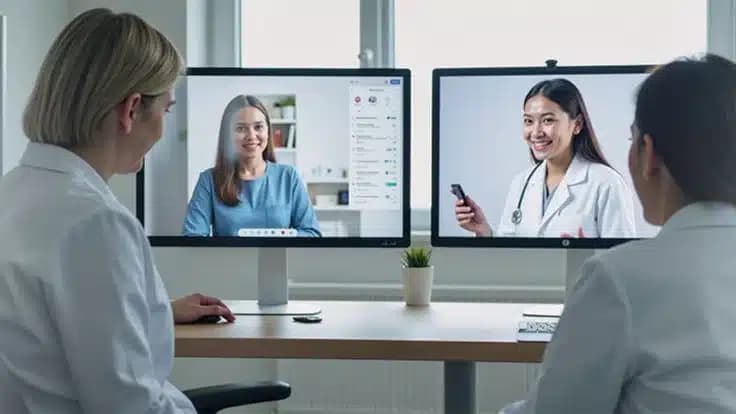
The rise of telemedicine and mobile health applications has created new opportunities for patient engagement. Many healthcare CRMs integrate with telehealth platforms, allowing providers to schedule virtual consultations, send reminders, and share medical updates securely.
Mobile access ensures patients can manage their healthcare needs conveniently, while providers can maintain consistent communication even outside traditional clinic visits. This integration supports continuous care, which is vital for building strong patient relationships.

Conclusion
The question of why healthcare organizations should invest in CRM solutions is clear: these systems provide a comprehensive approach to patient management that goes beyond administrative efficiency. By enhancing patient engagement, streamlining appointments, enabling personalized care, improving communication, and ensuring regulatory compliance, CRM solutions empower healthcare providers to deliver superior care experiences.
Investing in a robust healthcare CRM is not just a technological upgrade; it is a strategic decision that improves operational efficiency, strengthens doctor–patient relationships, and ultimately leads to better health outcomes. As healthcare continues to evolve, organizations that embrace CRM solutions are better positioned to meet patient expectations, build loyalty, and thrive in a competitive landscape.
The Doctorna editorial desk writes about healthcare operations, patient experience and the systems clinics use to connect them.