Why Mobile CRM is Vital for Modern Healthcare Providers
n the fast-paced world of healthcare, efficiency, connectivity, and personalized care are no longer optional—they’re essential. With medical professionals constantly

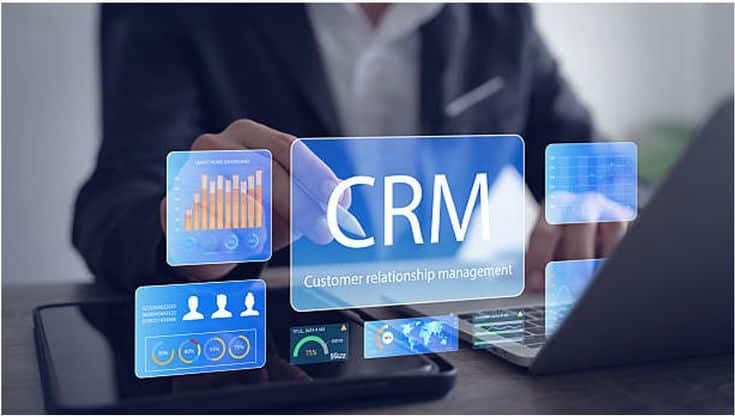
n the fast-paced world of healthcare, efficiency, connectivity, and personalized care are no longer optional—they’re essential. With medical professionals constantly on the move, managing patient relationships, tracking data, and ensuring seamless communication have become increasingly complex. This is where Mobile CRM (Customer Relationship Management) systems play a transformative role.
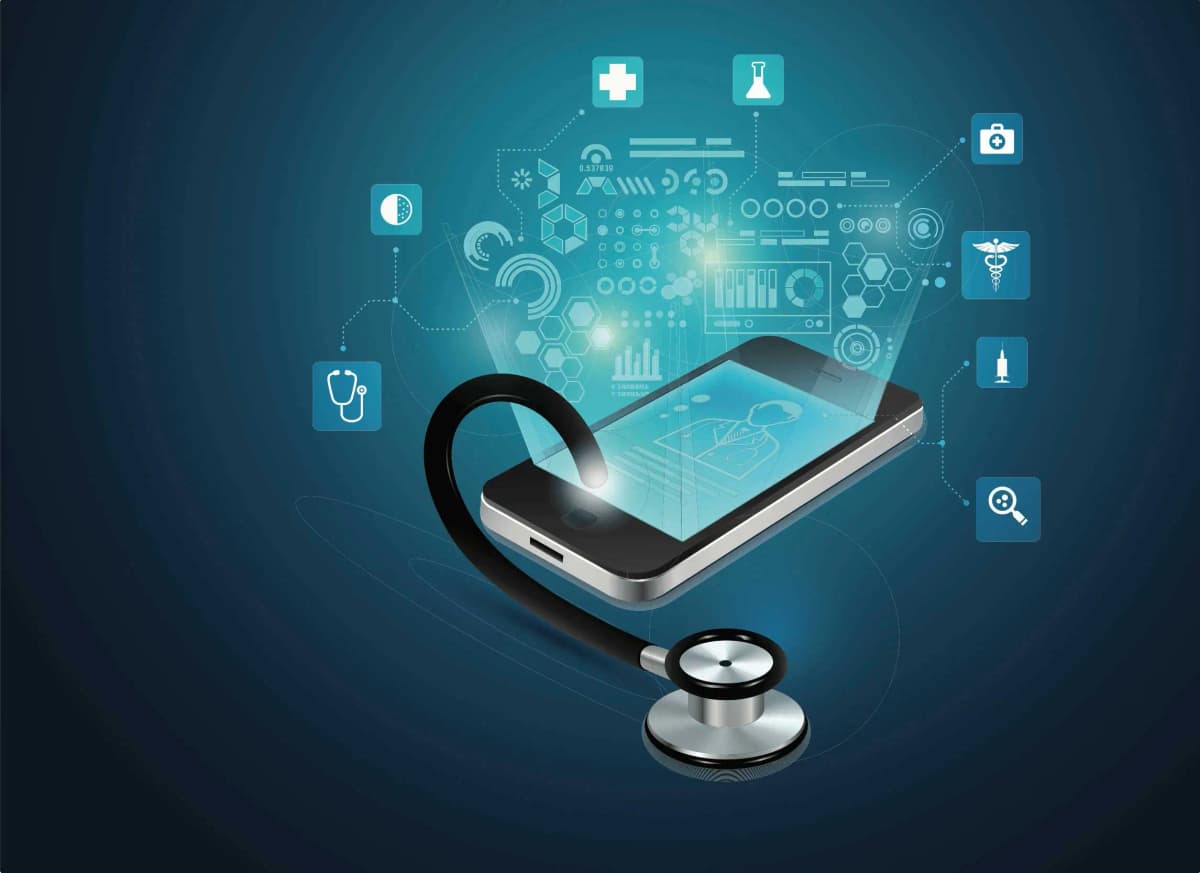
By bringing the power of CRM to smartphones and tablets, healthcare providers can manage patient interactions, access real-time data, and streamline workflows anytime, anywhere. Let’s explore why mobile CRM has become vital for modern healthcare organizations and how it enhances patient care, staff collaboration, and operational efficiency.
1. The Shift Toward Mobile-First Healthcare
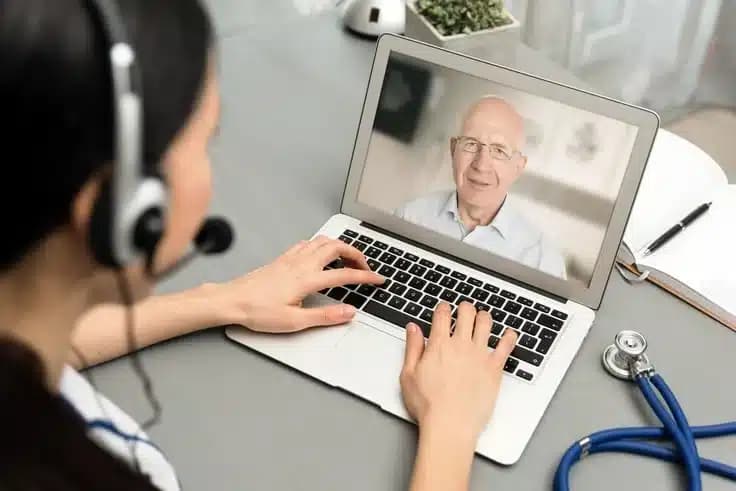
The rise of telemedicine, remote monitoring, and digital health platforms has redefined how care is delivered. Patients today expect immediate responses, virtual consultations, and personalized engagement across devices. Traditional CRMs—limited to desktop interfaces—cannot keep up with this mobility-driven landscape.
Mobile CRM solutions bridge this gap by enabling healthcare providers to stay connected with their patients, staff, and data even while on rounds, at remote clinics, or during home visits. Physicians can update medical records, review lab results, and communicate with patients in real time, all through secure mobile apps.
This shift not only improves response time but also supports better patient outcomes through more timely and informed decisions.
2. Real-Time Access to Patient Information
In healthcare, having up-to-date information at your fingertips can make all the difference. A mobile CRM gives instant access to patient records, treatment history, and lab results directly from a smartphone or tablet. This eliminates the need for manual updates or delays caused by returning to a desktop workstation.
For example, a doctor attending a patient in the emergency department can quickly retrieve their medical history and allergies before prescribing treatment. Likewise, home health nurses can update patient progress in real-time, ensuring the entire care team stays informed.
Real-time data synchronization ensures that every staff member—whether in the hospital or remote—works from the same accurate information. This reduces errors, improves coordination, and enhances the overall quality of care.
3. Enhanced Patient Engagement
Today’s patients are more digitally empowered than ever. They expect healthcare providers to deliver convenience, transparency, and personalized experiences. A mobile CRM supports better engagement by allowing providers to communicate through secure messaging, automated reminders, and mobile notifications.
For instance, appointment reminders and follow-up messages can be automated through the CRM app, reducing no-show rates and keeping patients on track with treatment plans. Providers can also share educational content, post-care instructions, or prescription updates directly to a patient’s mobile device.
This kind of proactive engagement strengthens trust, improves adherence to treatment, and helps build lasting relationships between patients and healthcare organizations.
4. Improved Staff Collaboration and Workflow Efficiency
A hospital or clinic’s success depends on effective teamwork among physicians, nurses, technicians, and administrators. A mobile CRM enhances collaboration by centralizing communication and automating routine processes.
Staff can log updates, assign tasks, and monitor progress on-the-go. Notifications and alerts ensure that everyone stays informed about patient status changes, lab results, or scheduling updates. This not only saves time but also minimizes miscommunication—a major cause of inefficiency in healthcare systems.
For example, when a physician updates a diagnosis in the CRM, the lab team receives an automatic notification to conduct specific tests, and billing departments are alerted for insurance coding. Everything happens seamlessly, improving both speed and accuracy.
5. Data Security and Compliance
Healthcare data is highly sensitive and must comply with strict regulations like HIPAA (Health Insurance Portability and Accountability Act). Many healthcare providers hesitate to adopt mobile tools due to security concerns—but modern mobile CRMs are built with advanced encryption, authentication, and access controls that ensure data integrity and privacy.
Most systems offer multi-factor authentication, secure cloud storage, and the ability to remotely wipe data if a device is lost or stolen. This provides peace of mind while maintaining compliance with healthcare privacy standards.
By adopting secure mobile CRM platforms, healthcare providers can confidently embrace digital transformation without compromising patient trust.
6. Smarter Decision-Making With Analytics
Mobile CRMs aren’t just data storage systems—they are powerful analytical tools that help healthcare organizations make informed decisions. Using real-time dashboards and reports, administrators can track appointment volumes, patient satisfaction scores, and care outcomes directly from their mobile devices.
Predictive analytics can even identify patterns—such as recurring missed appointments or rising readmission rates—allowing proactive intervention. For example, if data shows that diabetic patients frequently miss follow-ups, automated reminders can be triggered to improve adherence and reduce complications.
This data-driven approach supports continuous improvement in care delivery and operational performance.
7. Supporting Remote and Home-Based Care
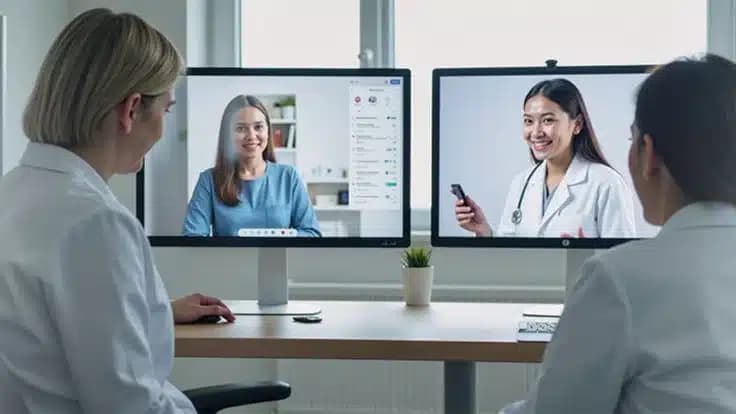
The rise of telehealth and home healthcare services has made mobility indispensable. Providers who conduct home visits or manage remote patients benefit immensely from mobile CRM systems. They can record observations, update records, and communicate with the central care team instantly.
For chronic care management, mobile CRM platforms integrate seamlessly with wearable devices and health monitoring apps, allowing real-time tracking of vital signs and medication adherence. This holistic approach enhances patient safety and enables early detection of health issues before they become critical.
8. Integration With Web and App Ecosystems
Modern healthcare operates within an interconnected digital environment. Mobile CRMs integrate with electronic health records (EHRs), telemedicine platforms, and mobile health apps to create a unified ecosystem.
For web and mobile app development teams, this integration opportunity is massive. Developers can design patient portals, chatbots, and mobile dashboards that feed data directly into the CRM—creating a seamless experience for both patients and providers.
This not only improves workflow but also supports the healthcare industry’s broader digital transformation goals.
Conclusion
As healthcare continues to evolve, the ability to manage patient relationships in real-time and from anywhere is becoming non-negotiable. Mobile CRM empowers healthcare providers to deliver personalized care, improve efficiency, and make data-driven decisions—while maintaining the highest standards of security and compliance.
Whether it’s for hospitals, clinics, or home-care organizations, adopting a mobile CRM is more than a technological upgrade—it’s a strategic investment in the future of healthcare.
In an era where patient experience defines success, mobile CRM isn’t just vital—it’s revolutionary.
The Doctorna editorial desk writes about healthcare operations, patient experience and the systems clinics use to connect them.