
In today’s healthcare landscape, information is power. Doctors, nurses, and administrators rely on accurate, up-to-date data to make informed decisions that directly impact patient outcomes. Yet, in many healthcare organizations, data still moves slowly—records are updated manually, departments work in silos, and critical insights are delayed.
This is where real-time data access within Healthcare CRM (Customer Relationship Management) systems becomes a game-changer. Real-time access ensures that every stakeholder—from clinicians to front-desk staff—can view, update, and act on the latest patient information instantly. The result? Better coordination, faster decisions, and higher-quality care.
Let’s explore why real-time data access is essential for modern healthcare CRMs and how it transforms both patient experience and operational performance.
1. Real-Time Data Access: The Backbone of Modern Healthcare
A Healthcare CRM centralizes all patient information—appointments, treatment plans, communication history, billing, and lab reports—into one digital hub. When powered by real-time data, this system becomes dynamic and responsive. Every change, whether it’s an updated diagnosis, new test result, or scheduled follow-up, is instantly reflected across the platform.
This eliminates the delays associated with manual data entry or disconnected systems. Real-time access ensures that everyone involved in patient care is working from the same, most current information—no waiting, no confusion, and no risk of outdated records.
In a field where seconds can save lives, real-time data access isn’t just an efficiency upgrade—it’s a clinical necessity.
2. Enhancing Patient Care and Safety
Accurate and timely data is essential for safe and effective patient care. When healthcare providers have real-time visibility into a patient’s medical history, allergies, and test results, they can make informed decisions faster and avoid costly or dangerous errors.
For example, if a patient arrives at the emergency department, the attending physician can immediately access updated CRM data showing their medications and recent lab results. This eliminates the need to wait for records from other departments or external clinics.
Real-time updates also ensure that treatment plans remain current. If a specialist adds new recommendations or adjusts medications, those changes are instantly visible to nurses, pharmacists, and other care team members. The result is a coordinated, error-free, and safer patient experience.
3. Streamlining Workflow and Reducing Delays
In traditional healthcare systems, information bottlenecks are common. When lab results take hours to update or appointment data isn’t synchronized, workflows stall. Real-time CRM data access solves this by automating information flow across departments.
For instance, as soon as a lab technician uploads results, the physician receives an instant notification within the CRM. Similarly, when a patient checks in or cancels an appointment, front-desk and billing teams are automatically updated.
This continuous flow of data keeps everyone aligned and eliminates unnecessary manual communication. It reduces downtime, minimizes administrative overhead, and ensures that providers spend more time delivering care rather than chasing paperwork.
4. Improving Communication and Collaboration
Healthcare is a team effort, often involving multiple professionals across different departments or even different facilities. Real-time data access promotes seamless collaboration by ensuring that all stakeholders are on the same page.
A CRM with real-time synchronization allows care teams to share notes, review updates, and make joint decisions without duplication or miscommunication. For example, if a psychiatrist adds new progress notes after a session, the primary care physician and case manager can immediately see the update and adjust their approaches accordingly.
This unified communication loop ensures a continuum of care—a critical element in managing chronic conditions, behavioral health, or multi-specialty treatments.
5. Enabling Better Patient Engagement
Modern patients expect transparency and timely communication about their health. Real-time data access in a CRM allows healthcare organizations to keep patients informed and engaged throughout their journey.
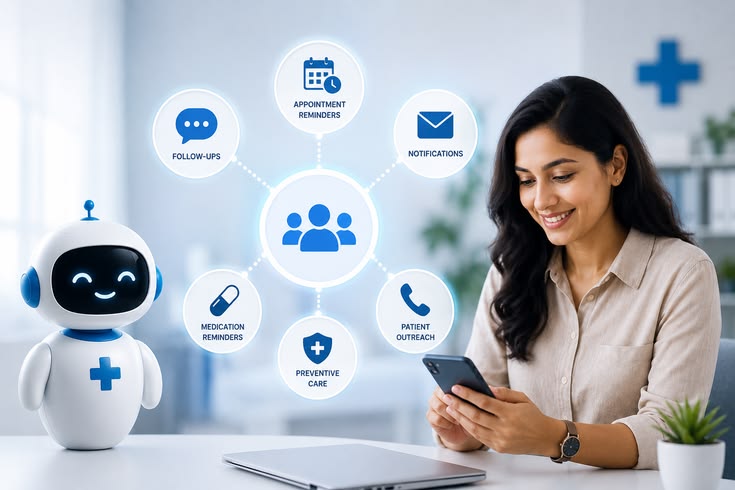
When CRM systems sync data instantly, patients can view their updated test results, prescriptions, and appointment details through patient portals or mobile apps. Automated notifications—such as reminders, follow-ups, or new care instructions—are triggered based on the most recent information.
This real-time communication fosters trust and reduces patient anxiety, while empowering them to take a more active role in their care. Studies show that engaged patients are more likely to follow treatment plans, attend appointments, and report higher satisfaction levels—all key metrics in healthcare success.
6. Supporting Telehealth and Remote Care
As telemedicine continues to reshape healthcare delivery, real-time CRM data is crucial for effective remote care. When providers conduct virtual consultations, they need instant access to patient history, recent updates, and ongoing treatment data.
A real-time CRM ensures that every digital interaction is informed by the latest insights. For example, if a patient uploads their daily vitals from a wearable device, the data appears in the provider’s dashboard immediately. This enables clinicians to respond quickly to abnormal readings or intervene before conditions worsen.
By integrating telehealth platforms and IoT health devices with CRM systems, healthcare organizations can build a connected care ecosystem that bridges in-person and virtual services seamlessly.
7. Real-Time Analytics for Data-Driven Decisions
Real-time CRM data doesn’t just improve care delivery—it also empowers healthcare leaders with instant insights for decision-making. Dashboards can track appointment volumes, patient satisfaction scores, and treatment outcomes in real-time.
This immediate visibility allows organizations to identify bottlenecks, monitor performance, and optimize resources quickly. For instance, if a spike in missed appointments appears, administrators can act immediately—sending reminders, adjusting schedules, or investigating patterns—rather than discovering the issue weeks later.
Moreover, predictive analytics powered by real-time data can forecast patient demand, detect early signs of chronic disease trends, or highlight potential resource shortages. In a rapidly changing healthcare environment, timely insights are invaluable.
8. Enhancing Data Accuracy and Reducing Errors
Manual data entry and batch updates often lead to inconsistencies, duplication, and inaccuracies—problems that can seriously impact patient safety. Real-time CRM systems automatically update information across all connected platforms, ensuring data integrity and accuracy.
For example, when a patient’s address, insurance details, or lab results are updated, the change reflects everywhere instantly—reducing administrative errors and eliminating confusion between departments.
This level of accuracy not only improves clinical outcomes but also simplifies billing, compliance, and reporting processes.
9. Supporting Compliance and Audit Readiness
Healthcare organizations must adhere to strict regulatory standards such as HIPAA and other data protection laws. Real-time CRM data access helps maintain compliance by ensuring complete, up-to-date, and traceable records at all times.
Every update, user action, or data change is automatically logged, creating a transparent audit trail. This makes compliance reporting easier and ensures accountability across teams.
By maintaining real-time, accurate records, organizations can reduce the risk of compliance violations and demonstrate integrity in data management—a critical factor in building patient trust.

Conclusion
In healthcare, timing is everything. Delayed or incomplete data can lead to missed diagnoses, treatment errors, or poor patient experiences. Real-time data access transforms CRM systems from static databases into living, responsive platforms that drive collaboration, precision, and efficiency.
With real-time insights, healthcare providers can make faster, smarter, and more coordinated decisions—improving both patient outcomes and operational performance. Whether it’s supporting telehealth, streamlining workflows, or enhancing patient engagement, real-time CRM access ensures that care is always current, connected, and compassionate.
As healthcare continues to evolve toward digital-first care models, real-time data access isn’t just a competitive advantage—it’s the foundation for the next generation of intelligent, patient-centered healthcare.