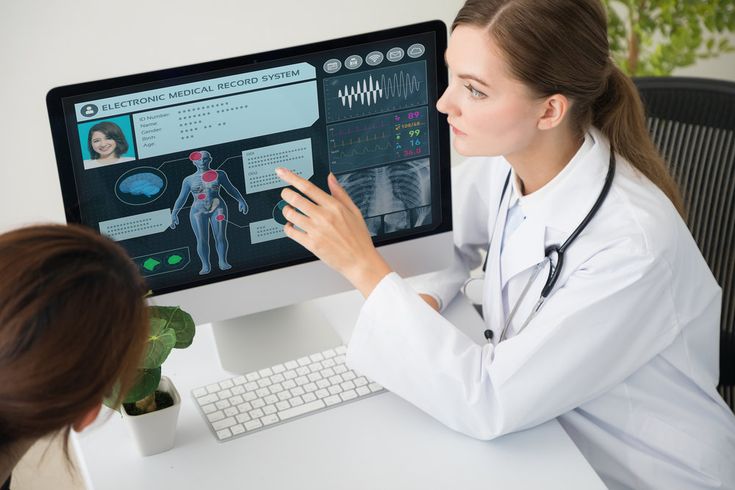
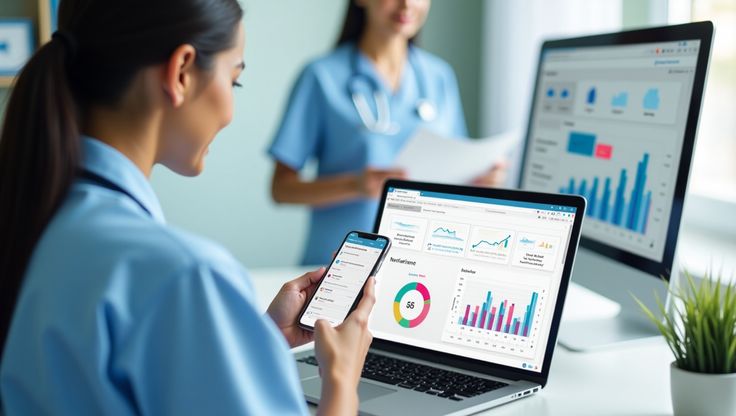
Effective communication is the foundation of quality healthcare. Patients expect timely updates, easy access to healthcare providers, and personalized interactions throughout their care journey. For healthcare organizations, maintaining clear and consistent communication can improve patient satisfaction, strengthen relationships, and streamline daily operations. This is where Healthcare CRM Software for Seamless Communication plays a vital role.
Healthcare Customer Relationship Management (CRM) software is designed to help hospitals, clinics, diagnostic centers, and other medical practices manage patient interactions efficiently. By centralizing patient information and automating communication, Healthcare CRM software enhances collaboration between healthcare professionals while ensuring patients remain informed and engaged.
What Is Healthcare CRM Software?
Healthcare CRM software is a specialized platform that helps medical organizations manage patient relationships, communication, appointment scheduling, follow-ups, and engagement from a single system.
Unlike traditional CRM solutions, Healthcare CRM software is tailored to meet the specific needs of healthcare providers while supporting patient privacy, data security, and regulatory compliance.
The software enables healthcare teams to deliver more personalized care while reducing administrative workloads.
Why Seamless Communication Matters in Healthcare
Communication affects every stage of the patient journey, from appointment booking to post-treatment follow-ups.
Effective communication helps:
- Improve patient satisfaction
- Reduce appointment no-shows
- Increase treatment adherence
- Build patient trust
- Enhance care coordination
- Improve healthcare outcomes
Poor communication, on the other hand, can result in missed appointments, delayed treatments, and patient dissatisfaction.
Centralized Patient Information
One of the biggest advantages of Healthcare CRM Software for Seamless Communication is centralized patient data management.
Healthcare providers can quickly access:
- Contact information
- Appointment history
- Medical preferences
- Communication records
- Billing details
- Follow-up schedules
Having all patient information in one secure location allows healthcare teams to communicate more effectively and provide personalized care.
Automated Appointment Reminders
Healthcare CRM software automates appointment reminders through multiple communication channels.
Patients can receive reminders via:
- SMS
- Mobile notifications
- Voice calls
Automated reminders reduce missed appointments while improving clinic efficiency and patient convenience.
Personalized Patient Communication
Patients appreciate personalized communication that addresses their specific healthcare needs.
Healthcare CRM software enables providers to send:
- Appointment confirmations
- Follow-up instructions
- Medication reminders
- Preventive care notifications
- Wellness tips
- Birthday greetings
Personalized interactions strengthen patient relationships and improve engagement.
Multi-Channel Communication
Modern Healthcare CRM platforms support communication across various channels.
These include:
- SMS
- Mobile applications
- Patient portals
- Live chat
- Telephone integration
Providing multiple communication options ensures patients can connect with healthcare providers using their preferred method.
Improved Care Coordination
Healthcare often involves collaboration among physicians, nurses, specialists, administrative staff, and support teams.
Healthcare CRM software improves internal communication by enabling staff to:
- Share patient updates
- Coordinate appointments
- Manage referrals
- Track treatment progress
- Access real-time patient information
Better coordination leads to more efficient and accurate patient care.
Online Appointment Scheduling
Healthcare CRM software allows patients to schedule appointments online at their convenience.
Benefits include:
- Reduced phone calls
- Faster appointment booking
- Real-time availability
- Automated confirmations
- Easier rescheduling
Online scheduling improves both patient experience and administrative efficiency.
Patient Portals
Integrated patient portals empower individuals to manage their healthcare digitally.
Patients can:
- View appointment history
- Access test results
- Download medical documents
- Request prescription refills
- Communicate securely with providers
Patient portals encourage active participation in healthcare management.
Secure Communication
Protecting patient information is essential in healthcare.
Healthcare CRM software includes security features such as:
- Data encryption
- Secure login authentication
- Role-based access control
- Audit trails
- Automatic backups
These measures help maintain patient confidentiality and comply with healthcare regulations.
Follow-Up and Patient Retention
Consistent follow-up communication encourages long-term patient relationships.
Healthcare CRM software automates:
- Post-treatment follow-ups
- Recovery check-ins
- Preventive screening reminders
- Annual health check notifications
- Patient satisfaction surveys
Regular engagement improves patient retention and supports better health outcomes.
Marketing and Patient Outreach
Healthcare CRM software also supports targeted communication campaigns.
Examples include:
- Vaccination reminders
- Health awareness campaigns
- Wellness programs
- New service announcements
- Seasonal healthcare tips
Personalized outreach keeps patients informed while promoting preventive care.
Analytics and Performance Monitoring
Healthcare CRM systems provide valuable insights into communication effectiveness.
Organizations can monitor:
- Appointment attendance
- Response rates
- Patient engagement
- Satisfaction scores
- Communication history
- Campaign performance
These insights help improve patient communication strategies over time.
Benefits of Healthcare CRM Software
Implementing Healthcare CRM Software for Seamless Communication provides several advantages:
- Improved patient engagement
- Faster communication
- Reduced administrative workload
- Better care coordination
- Increased patient satisfaction
- Lower appointment no-show rates
- Stronger patient loyalty
- Enhanced operational efficiency
- Secure patient data management
- Better decision-making through analytics
These benefits contribute to higher-quality healthcare services and more efficient practice management.
Best Practices for Successful Implementation
To maximize the value of Healthcare CRM software:
- Train staff thoroughly.
- Keep patient records accurate.
- Automate routine communications.
- Integrate CRM with existing healthcare systems.
- Monitor communication performance regularly.
- Collect patient feedback.
- Prioritize cybersecurity.
- Continuously update workflows based on patient needs.
Following these best practices ensures successful adoption and long-term benefits.
Future Trends in Healthcare CRM
Healthcare CRM technology continues to evolve with innovations such as:
- Artificial intelligence for personalized communication
- Predictive patient engagement
- Chatbots for instant support
- Telehealth integration
- Remote patient monitoring
- Mobile health applications
- Voice-enabled communication
- Advanced healthcare analytics
These technologies will further improve patient communication and healthcare delivery.