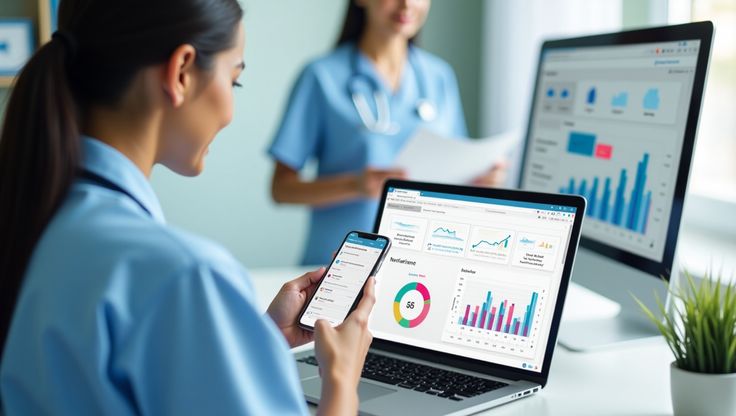

In today’s fast-evolving healthcare environment, medical practices are under constant pressure to deliver high-quality patient care while managing administrative efficiency and maintaining strong patient relationships. Technology plays a crucial role in achieving this balance, and one of the most impactful tools is Healthcare Customer Relationship Management (CRM) software. Understanding the Key Benefits of Healthcare CRM in Medical Practices helps clinics, hospitals, and private practitioners streamline operations, enhance communication, and improve patient outcomes.
A Healthcare CRM system is designed specifically for medical environments to manage patient data, automate communication, and improve engagement throughout the entire care journey. It acts as a centralized platform that connects patients, doctors, and administrative staff, ensuring seamless coordination and efficient workflow management.
What Is Healthcare CRM?
Healthcare CRM is a specialized software solution that helps medical practices manage patient relationships, appointments, communication, follow-ups, and engagement activities.
Unlike traditional CRM systems used in sales or marketing, Healthcare CRM focuses on patient care, privacy, and healthcare-specific workflows while ensuring compliance with medical data regulations.
Why Healthcare CRM Is Important for Medical Practices
Medical practices deal with a high volume of patient interactions daily. From appointment scheduling and medical records to follow-ups and billing communication, managing everything manually can be overwhelming and error-prone.
Healthcare CRM simplifies these processes by:
- Centralizing patient information
- Automating routine tasks
- Improving communication efficiency
- Enhancing patient engagement
- Supporting better decision-making
These improvements allow healthcare professionals to focus more on patient care rather than administrative tasks.
Improved Patient Communication
One of the most significant Key Benefits of Healthcare CRM in Medical Practices is enhanced communication.
Healthcare CRM systems enable practices to send:
- Appointment reminders
- Follow-up messages
- Prescription alerts
- Health tips
- Preventive care notifications
- Vaccination reminders
Automated communication ensures patients stay informed and reduces the chances of missed appointments.
Enhanced Patient Engagement
Engaged patients are more likely to follow treatment plans and maintain long-term relationships with healthcare providers.
Healthcare CRM improves engagement through:
- Personalized communication
- Patient portals
- Educational content
- Online appointment booking
- Health surveys and feedback forms
These features help patients actively participate in their healthcare journey.
Streamlined Appointment Management
Managing appointments manually can lead to scheduling conflicts and inefficiencies.
Healthcare CRM systems help by:
- Automating appointment booking
- Sending reminders and confirmations
- Managing cancellations and rescheduling
- Reducing no-show rates
This ensures smoother daily operations and better time management for healthcare staff.
Centralized Patient Data Management
Another important benefit is having all patient information stored in one secure system.
Healthcare CRM allows medical practices to access:
- Patient history
- Treatment records
- Communication logs
- Billing information
- Appointment history
Centralized data improves accuracy, reduces duplication, and supports better clinical decisions.
Increased Operational Efficiency
Healthcare CRM reduces the administrative burden on staff by automating repetitive tasks.
Common automated functions include:
- Patient registration
- Reminder notifications
- Follow-up scheduling
- Report generation
- Data entry tasks
This leads to faster workflows and improved productivity across the practice.
Reduced Missed Appointments
No-show appointments can significantly affect revenue and scheduling efficiency.
Healthcare CRM minimizes missed appointments by sending timely reminders through:
- SMS
- Mobile notifications
Consistent reminders improve attendance rates and patient accountability.
Better Patient Retention
Retaining existing patients is more cost-effective than acquiring new ones.
Healthcare CRM supports retention through:
- Personalized follow-ups
- Birthday and wellness messages
- Preventive care reminders
- Loyalty engagement campaigns
These strategies help build long-term trust and loyalty.
Data-Driven Decision Making
Healthcare CRM systems provide valuable insights through analytics and reporting.
Medical practices can track:
- Patient behavior trends
- Appointment patterns
- Revenue performance
- Treatment effectiveness
- Engagement levels
These insights support informed decision-making and strategic planning.
Improved Care Coordination
Healthcare CRM enhances collaboration between doctors, nurses, and administrative staff.
It enables:
- Real-time data sharing
- Treatment tracking
- Referral management
- Internal communication
Better coordination leads to improved patient care and reduced errors.
Secure Patient Data Management
Data security is a top priority in healthcare.
Healthcare CRM systems include:
- Data encryption
- Role-based access control
- Secure authentication
- Audit trails
- Regular backups
These features ensure patient information remains protected and compliant with regulations.
Marketing and Patient Outreach
Healthcare CRM also helps medical practices run targeted outreach campaigns.
Examples include:
- Preventive care campaigns
- Seasonal health awareness programs
- New service announcements
- Wellness check reminders
Personalized outreach increases patient engagement and awareness.
Improved Patient Experience
A smooth and efficient experience is essential for patient satisfaction.
Healthcare CRM improves experience by:
- Simplifying appointment booking
- Reducing waiting time
- Improving communication
- Offering digital access to services
A positive experience increases patient trust and loyalty.
Scalability for Growing Practices
As medical practices grow, managing increasing patient volumes becomes challenging.
Healthcare CRM systems scale easily by:
- Handling more patient records
- Supporting additional staff users
- Integrating with other healthcare systems
- Expanding communication channels
This makes it suitable for both small clinics and large hospitals.
Best Practices for Using Healthcare CRM
To maximize the Key Benefits of Healthcare CRM in Medical Practices, healthcare providers should:
- Train staff effectively on CRM usage
- Keep patient data updated and accurate
- Automate routine communication tasks
- Regularly analyze performance reports
- Integrate CRM with existing systems
- Prioritize patient data security
- Continuously improve workflows
Proper implementation ensures long-term success.
Future of Healthcare CRM in Medical Practices
Healthcare CRM is rapidly evolving with advanced technologies such as:
- Artificial intelligence for predictive care
- Chatbots for patient support
- Telehealth integration
- Remote patient monitoring
- Mobile healthcare apps
- Advanced analytics and automation
These innovations will further enhance efficiency, patient engagement, and care quality.