
Healthcare has experienced remarkable advancements over the past few decades, transforming the way medical professionals diagnose, treat, and manage patient care. Technology has become an integral part of healthcare, enabling faster communication, improved clinical decision-making, streamlined administrative processes, and better patient outcomes. From paper-based records to intelligent digital platforms, healthcare technology continues to reshape the industry while making medical services more accessible and efficient.
The Evolution of Healthcare Technology reflects a continuous journey of innovation aimed at improving patient care and enhancing healthcare operations. Today, hospitals, clinics, diagnostic centers, and healthcare organizations rely on advanced digital solutions to provide accurate diagnoses, coordinate treatments, manage patient information, and support long-term healthcare planning.
The Early Days of Healthcare Technology
Healthcare was once heavily dependent on paper records, handwritten prescriptions, and manual administrative processes. Patient information was stored in physical files, making it difficult to retrieve records quickly or share information between healthcare providers.
Communication between departments often relied on printed documents and telephone conversations, while appointment scheduling, billing, and inventory management required significant manual effort. Although these methods served healthcare organizations for many years, they were time-consuming and prone to administrative errors.
The demand for greater efficiency and improved patient care created the need for digital transformation across the healthcare industry.
The Shift to Digital Healthcare
The introduction of computers into healthcare marked the beginning of a major technological transformation. Healthcare organizations gradually replaced manual processes with digital systems that improved data management, communication, and workflow efficiency.
Digital healthcare reduced paperwork, increased accessibility to patient information, and supported better coordination among medical professionals. As technology continued to advance, healthcare organizations adopted increasingly sophisticated software solutions to manage daily operations more effectively.
Electronic Health Records Revolutionized Patient Care
One of the most significant developments in healthcare technology has been the adoption of Electronic Health Records (EHRs). Digital patient records provide healthcare professionals with immediate access to comprehensive medical information, including medical histories, laboratory results, prescriptions, allergies, and treatment plans.
Electronic records improve continuity of care by ensuring healthcare providers have accurate and up-to-date patient information during every consultation. They also reduce documentation errors, improve communication between departments, and support faster clinical decision-making.
Telemedicine Changed Healthcare Accessibility
Telemedicine has transformed the way patients receive healthcare services by allowing remote consultations through secure digital communication platforms.
Virtual healthcare appointments have expanded access to medical care for individuals living in remote locations, those with mobility limitations, and patients seeking convenient follow-up consultations. Telemedicine also supports chronic disease management, preventive care, and ongoing communication between healthcare providers and patients.
The growth of telemedicine has made healthcare more flexible while improving access to medical expertise.
Mobile Health Applications Empower Patients
The widespread use of smartphones has encouraged the development of mobile healthcare applications that place important health information directly in patients’ hands.
Modern healthcare applications allow users to:
- Schedule appointments
- View medical records
- Access laboratory reports
- Receive medication reminders
- Track health goals
- Communicate with healthcare providers
These digital tools encourage patients to become active participants in managing their own health while improving communication with healthcare professionals.
Artificial Intelligence Supports Smarter Healthcare
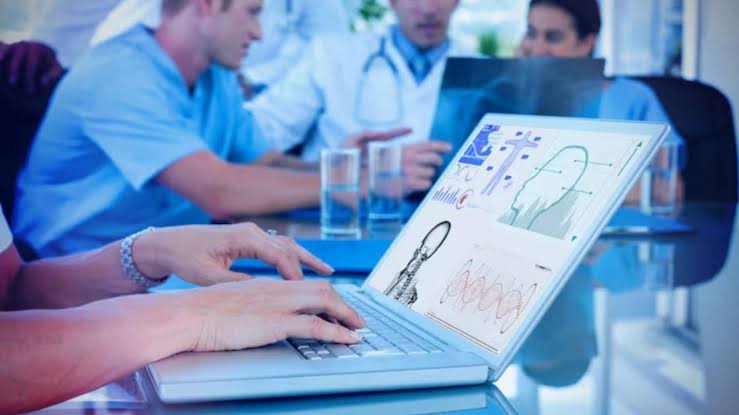
Artificial Intelligence (AI) has become one of the most influential innovations in modern healthcare. AI-powered systems analyze large volumes of medical data, helping healthcare professionals identify patterns that support diagnosis and treatment planning.
AI contributes to healthcare by assisting with medical imaging analysis, predictive analytics, workflow automation, and clinical decision support. While AI enhances efficiency and provides valuable insights, healthcare professionals continue to make final clinical decisions based on their expertise and patient needs.
Healthcare Automation Improves Efficiency
Automation has significantly reduced the administrative workload within healthcare organizations by streamlining repetitive tasks.
Automated systems now support:
- Appointment scheduling
- Patient registration
- Billing
- Appointment reminders
- Medical documentation
- Inventory management
- Laboratory workflows
Automation improves operational efficiency while allowing healthcare professionals to dedicate more time to patient care.
Cloud Computing Strengthens Collaboration
Cloud technology has transformed the way healthcare organizations store, manage, and access medical information.
Cloud-based healthcare systems allow authorized healthcare professionals to securely access patient records from multiple locations while supporting collaboration across departments and facilities. Cloud platforms also provide automatic backups, improved scalability, and simplified software maintenance.
These capabilities support continuity of care and improve operational flexibility.
Healthcare CRM Enhances Patient Relationships
Healthcare Customer Relationship Management (CRM) systems have become valuable tools for improving communication and patient engagement.
CRM platforms help healthcare providers manage appointments, follow-up care, health reminders, educational campaigns, and patient feedback. Personalized communication strengthens relationships while encouraging long-term patient loyalty and improved healthcare outcomes.
Wearable Technology Supports Preventive Care
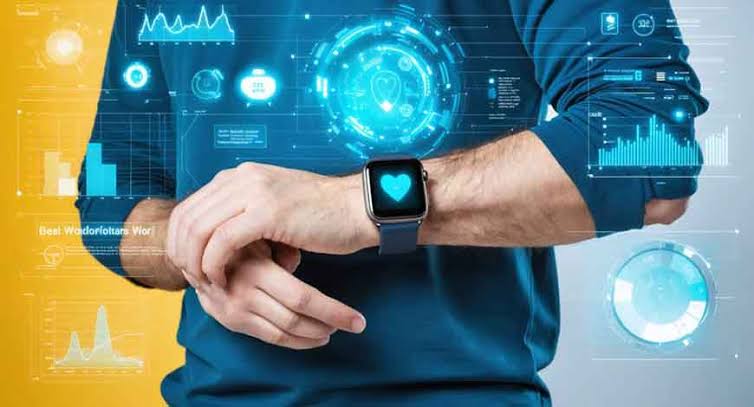
Wearable health devices have introduced new opportunities for continuous health monitoring outside traditional clinical settings.
Many wearable devices can monitor:
- Heart rate
- Blood pressure
- Sleep patterns
- Physical activity
- Blood oxygen levels
Healthcare professionals can use this information to monitor chronic conditions, detect early warning signs, and support preventive healthcare strategies.
Data Analytics Improves Decision-Making
Healthcare organizations generate large volumes of operational and clinical data every day. Advanced analytics platforms transform this information into valuable insights that support better decision-making.
Data analytics helps healthcare providers evaluate treatment effectiveness, monitor patient outcomes, optimize staffing, manage resources, and improve overall healthcare planning.
Data-driven strategies contribute to more efficient healthcare delivery and higher-quality patient care.
Cybersecurity Becomes Increasingly Important
As healthcare organizations adopt more digital technologies, protecting sensitive patient information has become a top priority.
Modern healthcare systems incorporate security measures such as encryption, multi-factor authentication, access controls, and continuous monitoring to safeguard confidential data. Strong cybersecurity practices help maintain patient trust while ensuring compliance with healthcare regulations.
Improving Operational Efficiency
Technology has streamlined nearly every aspect of healthcare operations. Digital systems reduce paperwork, improve coordination between departments, minimize manual errors, and simplify administrative processes.
Healthcare professionals benefit from faster access to information, while patients experience shorter waiting times, smoother communication, and more convenient healthcare services.
Operational efficiency allows healthcare organizations to deliver higher-quality care while optimizing available resources.
Supporting Personalized Healthcare
Modern healthcare technology enables providers to deliver more personalized care by analyzing patient histories, health trends, and treatment responses.
Digital platforms support individualized treatment plans, targeted health education, preventive care reminders, and continuous patient engagement. Personalized healthcare improves patient satisfaction and encourages better long-term health outcomes.
The Future of Healthcare Technology
Healthcare technology continues to evolve through innovations such as artificial intelligence, machine learning, robotic process automation, predictive analytics, Internet of Medical Things (IoMT), blockchain, and advanced remote monitoring systems.
Future healthcare solutions will likely become even more connected, intelligent, and patient-centered. Greater interoperability between healthcare platforms will improve collaboration while enabling healthcare providers to deliver more efficient and personalized services.
Organizations that continue investing in digital transformation will be well-positioned to adapt to future healthcare demands and technological advancements.
The Evolution of Healthcare Technology has fundamentally changed the way healthcare organizations deliver patient care and manage daily operations. From electronic health records and telemedicine to artificial intelligence, healthcare automation, cloud computing, and wearable technology, digital innovations continue to improve efficiency, accessibility, and clinical outcomes.
As healthcare technology advances, organizations that embrace digital solutions will be better equipped to provide safer, more efficient, and patient-focused services. Investing in modern healthcare technology is not only essential for operational excellence but also for meeting the growing expectations of patients and shaping the future of healthcare.