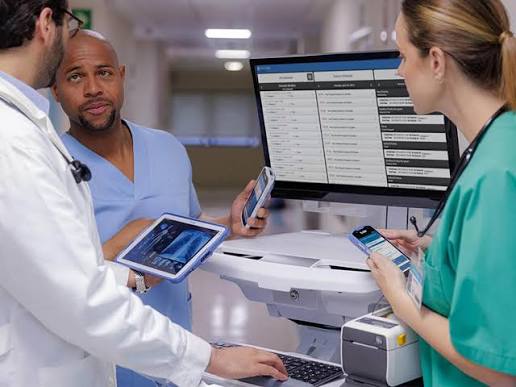

Healthcare is becoming increasingly digital, and clinics are embracing innovative solutions to improve patient care, simplify daily operations, and enhance overall efficiency. Why Every Modern Clinic Needs Smart Technology is an important topic for healthcare providers seeking to meet rising patient expectations while managing growing administrative responsibilities. Smart technology enables clinics to automate routine tasks, improve communication, reduce errors, and deliver more personalized healthcare experiences.
Patients today expect convenient appointment booking, faster access to medical services, secure communication, and seamless healthcare experiences. By integrating smart technologies into everyday operations, clinics can provide higher-quality care while improving productivity and supporting long-term growth.
The Digital Transformation of Modern Clinics
Traditional clinic operations often involve manual paperwork, phone-based appointment scheduling, and fragmented patient records. These processes can lead to delays, administrative burdens, and communication challenges.
Smart technology replaces manual systems with integrated digital platforms that simplify clinical and administrative workflows. Healthcare providers gain quick access to patient information, while patients enjoy more convenient and efficient healthcare services.
Digital transformation enables clinics to focus more on patient care and less on repetitive administrative tasks.
Improving Patient Care
One of the greatest advantages of smart technology is its ability to improve the quality of patient care. Digital tools provide healthcare professionals with instant access to medical histories, laboratory reports, prescriptions, diagnostic images, and treatment plans.
This immediate access supports faster and more informed clinical decisions, helping healthcare providers deliver accurate diagnoses and personalized treatment plans.
Patients benefit from shorter waiting times, better communication, and more coordinated care throughout their healthcare journey.
Simplifying Appointment Management
Managing appointments efficiently is essential for maintaining smooth clinic operations. Smart scheduling systems allow patients to book appointments online at their convenience while reducing the workload for administrative staff.
Modern appointment management platforms offer features such as:
- Online appointment booking
- Automated confirmations
- Reminder notifications
- Digital rescheduling
- Waiting list management
- Calendar synchronization
These features help reduce missed appointments while improving patient satisfaction and clinic efficiency.
Electronic Medical Records Improve Efficiency
Electronic Medical Records (EMRs) replace paper-based documentation with secure digital records that can be accessed instantly by authorized healthcare professionals.
EMRs provide centralized access to:
- Patient histories
- Prescriptions
- Laboratory reports
- Diagnostic imaging
- Allergies
- Treatment plans
- Clinical notes
Digital records reduce paperwork, improve collaboration among healthcare teams, and minimize documentation errors.
Better Communication with Patients
Effective communication strengthens patient relationships and improves healthcare outcomes. Smart technology enables clinics to stay connected with patients through multiple digital channels.
Communication tools may include:
- Appointment reminders
- Follow-up messages
- Prescription notifications
- Secure patient portals
- Online consultations
- Health education resources
These solutions keep patients informed while encouraging greater engagement in their healthcare.
Telemedicine Expands Healthcare Access
Telemedicine allows clinics to provide medical consultations remotely using secure video conferencing and digital communication platforms.
Remote consultations are particularly beneficial for:
- Follow-up appointments
- Routine health assessments
- Chronic disease management
- Patients with mobility challenges
- Individuals living in remote areas
Telemedicine improves convenience while helping clinics serve more patients efficiently.
Artificial Intelligence Supports Clinical Decision-Making
Artificial intelligence is becoming an important component of modern healthcare technology. AI-powered systems assist healthcare professionals by analyzing clinical data, identifying patterns, and supporting diagnostic decisions.
AI applications in clinics include:
- Medical image analysis
- Predictive health assessments
- Appointment optimization
- Patient triage support
- Administrative automation
- Clinical documentation assistance
These technologies improve efficiency while allowing healthcare providers to focus on patient care.
Enhancing Data Security
Protecting patient information is one of the highest priorities for every healthcare organization. Smart clinic technologies incorporate advanced security measures to safeguard confidential medical records.
Important security features include:
- Data encryption
- Multi-factor authentication
- Secure cloud storage
- Access control management
- Automated backups
- Continuous security monitoring
Strong cybersecurity practices help clinics protect patient privacy while supporting compliance with healthcare regulations.
Streamlining Administrative Workflows
Administrative tasks often consume valuable time that could otherwise be dedicated to patient care. Smart technology automates routine activities, improving overall operational efficiency.
Automation can simplify:
- Patient registration
- Billing and invoicing
- Insurance verification
- Documentation
- Inventory management
- Appointment scheduling
- Reporting
Efficient workflows reduce administrative burdens while improving service quality.
Remote Patient Monitoring
Connected medical devices enable clinics to monitor patients remotely between appointments. Healthcare providers can receive real-time information about important health indicators, supporting continuous care.
Remote monitoring is especially valuable for managing chronic conditions and supporting post-treatment recovery.
Healthcare professionals can identify changes early and provide timely interventions when needed.
Data Analytics for Better Decisions
Smart technology provides clinics with valuable insights into operational performance and patient care through advanced analytics.
Healthcare leaders can analyze:
- Appointment trends
- Patient satisfaction
- Resource utilization
- Clinical outcomes
- Financial performance
- Workflow efficiency
These insights support evidence-based decision-making and continuous service improvement.
Supporting Personalized Healthcare
Every patient has unique healthcare needs. Smart technology helps clinics develop personalized treatment plans by combining medical history, diagnostic results, lifestyle information, and ongoing health data.
Personalized healthcare improves treatment effectiveness while strengthening patient satisfaction and long-term health outcomes.
Preparing Clinics for Future Growth
As patient expectations continue to evolve, clinics require technology that can grow alongside their services. Smart healthcare platforms provide scalable solutions that support additional locations, larger patient populations, and new digital healthcare services.
Modern systems can integrate with emerging technologies such as wearable health devices, predictive analytics, artificial intelligence, and cloud-based healthcare platforms, ensuring clinics remain prepared for future innovations.
Improving the Overall Patient Experience
Every interaction influences how patients perceive a clinic. Smart technology creates a smoother healthcare journey by reducing waiting times, simplifying communication, improving access to medical information, and providing convenient digital services.
Patients appreciate healthcare providers that offer efficient scheduling, secure communication, faster service delivery, and personalized care experiences. These improvements encourage trust, satisfaction, and long-term patient loyalty.
Why Every Modern Clinic Needs Smart Technology is increasingly evident as healthcare continues to evolve. Digital solutions such as electronic medical records, telemedicine, artificial intelligence, remote patient monitoring, online appointment scheduling, and advanced analytics help clinics improve patient care while streamlining daily operations. By adopting smart technology, modern clinics can increase efficiency, strengthen patient relationships, enhance data security, and prepare for future healthcare innovations. Investing in intelligent healthcare solutions enables clinics to deliver high-quality, patient-centered care while supporting sustainable growth in an increasingly digital healthcare environment.