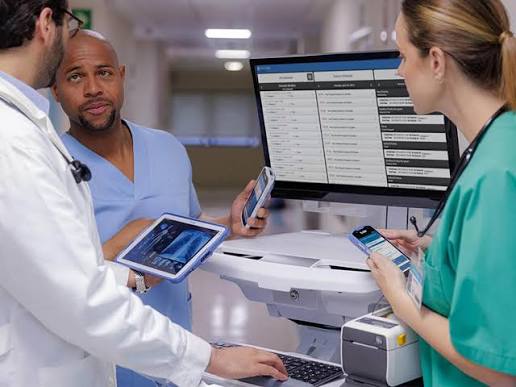

The healthcare industry is rapidly embracing technology to deliver faster, safer, and more patient-centered care. Digital Solutions That Improve Healthcare Services are helping hospitals, clinics, diagnostic centers, and healthcare providers streamline operations, improve communication, and enhance patient outcomes. From online appointment scheduling and electronic health records to artificial intelligence and remote patient monitoring, digital technologies are transforming every stage of the healthcare journey.
As patient expectations continue to evolve, healthcare organizations are adopting smart digital platforms that simplify clinical workflows, reduce administrative burdens, and provide more personalized care. These innovations not only improve operational efficiency but also strengthen the overall healthcare experience for both patients and medical professionals.
The Digital Transformation of Healthcare
Healthcare has moved beyond traditional paper-based systems and manual processes. Modern healthcare organizations now rely on integrated digital platforms that connect patients, healthcare professionals, and administrative teams through secure and efficient technologies.
Digital transformation enables healthcare providers to manage patient information more effectively, improve communication, reduce delays, and support informed clinical decision-making. By integrating digital solutions into daily operations, healthcare organizations can deliver higher-quality services while increasing productivity.
Electronic Health Records Improve Information Management
Electronic Health Records (EHRs) and Electronic Medical Records (EMRs) have become essential components of modern healthcare systems. These digital records replace paper documentation and provide secure access to patient information whenever it is needed.
Healthcare professionals can quickly review:
- Medical history
- Laboratory reports
- Diagnostic imaging
- Prescriptions
- Allergies
- Treatment plans
- Clinical notes
Centralized digital records improve collaboration among healthcare teams, reduce documentation errors, and support coordinated patient care.
Healthcare CRM Strengthens Patient Relationships
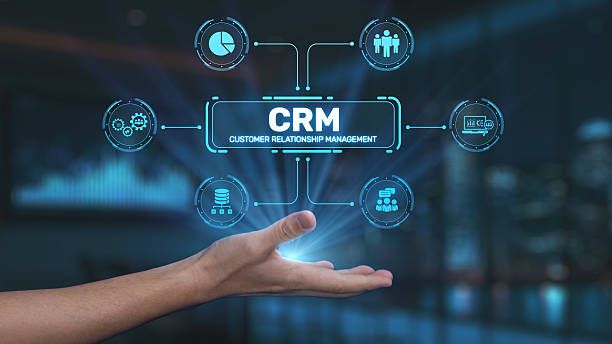
Healthcare Customer Relationship Management (CRM) systems help organizations build stronger relationships with patients by improving communication and engagement.
A Healthcare CRM supports:
- Appointment reminders
- Follow-up communication
- Patient education
- Personalized messaging
- Feedback collection
- Marketing campaigns
- Patient retention strategies
These features improve patient satisfaction while encouraging long-term engagement with healthcare providers.
Online Appointment Scheduling Simplifies Access
Digital appointment scheduling has significantly improved the patient experience. Online booking systems allow patients to schedule consultations at their convenience without relying on phone calls or manual processes.
Modern scheduling platforms include features such as:
- Online appointment booking
- Instant confirmations
- Automated reminders
- Rescheduling options
- Calendar synchronization
- Waiting list management
These tools reduce missed appointments while improving operational efficiency.
Telemedicine Expands Healthcare Access
Telemedicine enables healthcare providers to deliver consultations remotely through secure digital communication platforms.
Remote healthcare services benefit patients by providing:
- Convenient consultations
- Reduced travel time
- Faster follow-up care
- Better chronic disease management
- Improved healthcare access for rural communities
- Greater flexibility for healthcare providers
Telemedicine also allows organizations to extend healthcare services beyond traditional clinical settings.
Artificial Intelligence Supports Smarter Healthcare
Artificial intelligence is becoming an important digital solution in healthcare. AI-powered technologies analyze medical information, automate routine tasks, and assist healthcare professionals in making informed decisions.
AI applications include:
- Diagnostic support
- Medical image analysis
- Predictive analytics
- Clinical documentation assistance
- Virtual health assistants
- Administrative automation
By improving efficiency and accuracy, AI allows healthcare providers to focus more on delivering quality patient care.
Remote Patient Monitoring Improves Continuous Care
Remote patient monitoring enables healthcare providers to observe patient health using connected medical devices outside hospitals and clinics.
These devices monitor important health indicators such as:
- Blood pressure
- Blood glucose levels
- Heart rate
- Oxygen saturation
- Weight
- Medication adherence
Continuous monitoring supports early intervention, reduces unnecessary hospital visits, and improves long-term disease management.
Patient Portals Enhance Engagement
Patient portals provide secure online access to healthcare information and services. Patients can use these platforms to:
- View medical records
- Access laboratory results
- Schedule appointments
- Request prescription renewals
- Communicate with healthcare providers
- Receive treatment instructions
Easy access to healthcare information encourages patients to become active participants in managing their health.
Cloud Computing Supports Healthcare Operations
Cloud-based healthcare platforms provide secure and scalable infrastructure for managing clinical and administrative information.
Cloud technology offers numerous benefits, including:
- Secure data storage
- Faster information sharing
- Improved collaboration
- Automatic backups
- Disaster recovery capabilities
- Scalable infrastructure
Healthcare organizations benefit from greater operational flexibility while maintaining high standards of data security.
Healthcare Analytics Improve Decision-Making
Healthcare organizations generate large amounts of data every day. Advanced analytics platforms transform this information into valuable insights that support clinical and operational improvements.
Analytics can help organizations:
- Monitor patient outcomes
- Identify treatment trends
- Improve resource allocation
- Evaluate operational performance
- Enhance quality improvement initiatives
- Support population health management
These insights enable evidence-based decision-making throughout healthcare organizations.
Digital Billing and Administrative Automation
Administrative efficiency is essential for delivering quality healthcare services. Digital billing and automation solutions simplify financial and operational processes by reducing manual workloads.
Automation supports:
- Patient registration
- Billing and invoicing
- Insurance verification
- Claims management
- Documentation
- Reporting
- Inventory tracking
Streamlined administrative operations allow healthcare staff to dedicate more time to patient care.
Strengthening Healthcare Cybersecurity
Protecting patient information remains one of the most important responsibilities of healthcare organizations. Digital healthcare solutions include advanced security measures to safeguard sensitive medical data.
Essential cybersecurity practices include:
- Data encryption
- Multi-factor authentication
- Secure access controls
- Regular security updates
- Continuous monitoring
- Secure cloud infrastructure
Strong security helps maintain patient trust while supporting compliance with healthcare regulations.
Personalized Healthcare Through Digital Innovation
Digital solutions enable healthcare providers to deliver more personalized care by combining medical history, diagnostic results, lifestyle information, and health data.
Personalized healthcare improves treatment planning, enhances patient satisfaction, and supports better long-term health outcomes. Technology also helps healthcare professionals monitor progress and adjust treatment plans based on individual patient needs.
Preparing Healthcare for the Future
Healthcare technology continues to evolve through innovations such as predictive analytics, wearable medical devices, artificial intelligence, the Internet of Medical Things (IoMT), robotics, and advanced automation.
Healthcare organizations investing in digital solutions today are better prepared to adapt to future technological developments while continuing to deliver efficient, patient-centered services.
Modern digital infrastructure supports long-term growth, improved healthcare delivery, and greater operational resilience.
Digital Solutions That Improve Healthcare Services are transforming every aspect of modern healthcare. Technologies such as Healthcare CRM, electronic health records, telemedicine, artificial intelligence, patient portals, cloud computing, remote patient monitoring, and healthcare analytics enable organizations to provide faster, safer, and more personalized care. These innovations improve operational efficiency, strengthen patient engagement, enhance communication, and support better clinical outcomes. As digital transformation continues, healthcare providers that invest in intelligent healthcare solutions will be well positioned to deliver exceptional patient experiences and build a more connected, efficient, and sustainable healthcare system.