
Technology has become an important part of modern healthcare, changing how medical professionals diagnose conditions, monitor patients, manage information, and deliver treatment. From artificial intelligence and telemedicine to wearable devices and electronic health records, healthcare technology is helping create more efficient, connected, and patient-focused healthcare systems.
The use of technology in healthcare is not only about advanced medical equipment. Digital tools can also improve communication, support early detection, simplify administrative processes, and help patients take a more active role in managing their health.
Artificial Intelligence in Healthcare
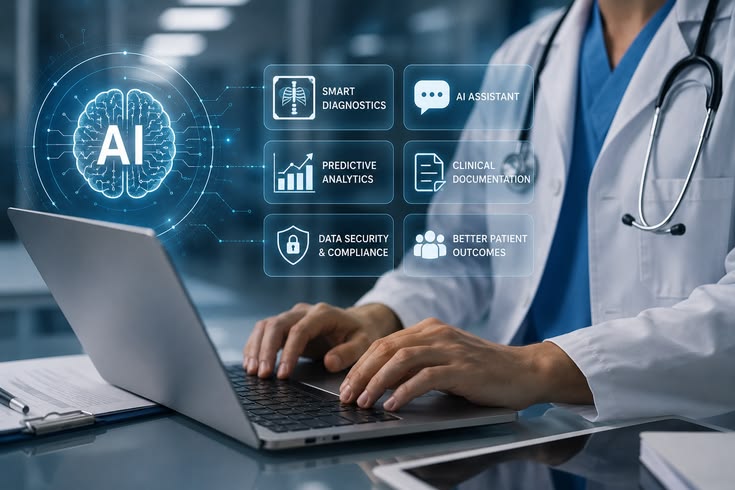
Artificial intelligence is becoming increasingly useful across different areas of healthcare. AI systems can analyze large amounts of medical information and identify patterns that may help healthcare professionals make informed decisions.
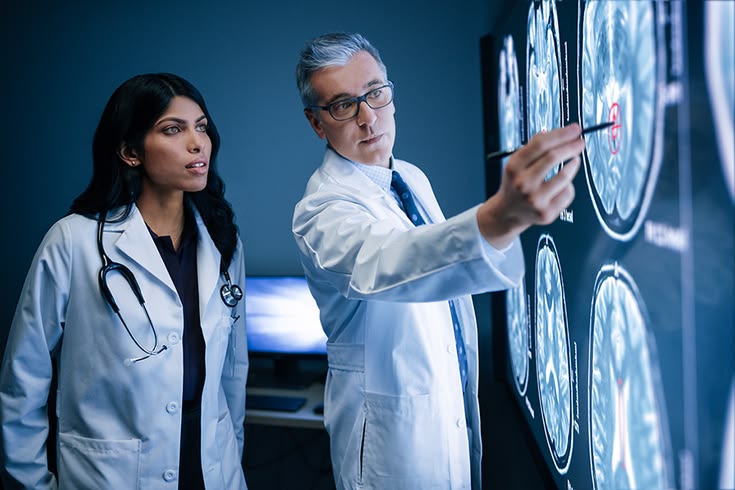
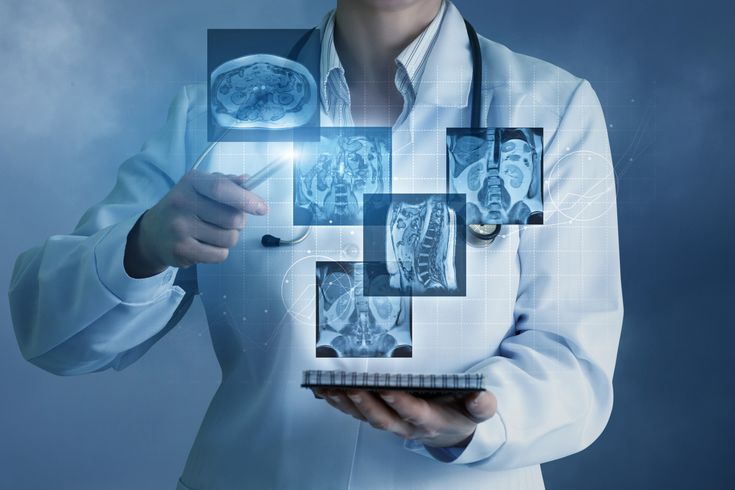
AI can support medical imaging, risk assessment, clinical research, and administrative tasks. In some settings, intelligent systems can assist professionals in identifying abnormalities in medical images or recognizing potential health risks.
AI is designed to support healthcare professionals rather than replace their expertise. Clinical judgment and human oversight remain essential when making healthcare decisions.
Telemedicine and Virtual Healthcare
Telemedicine allows patients to communicate with healthcare professionals remotely using digital platforms. Video consultations, secure messaging, and virtual healthcare services can make medical support more accessible to people who may have difficulty visiting a healthcare facility.
Telemedicine can be particularly useful for follow-up consultations, routine discussions, certain chronic condition management needs, and general healthcare guidance.
By reducing the need for unnecessary physical visits, virtual healthcare can also provide greater convenience for both patients and healthcare professionals.
Electronic Health Records
Electronic Health Records have changed how medical information is stored and managed. Instead of relying entirely on paper records, healthcare organizations can use digital systems to organize patient information.
Electronic records can include medical histories, diagnoses, medications, test results, allergies, and other relevant information. Authorized healthcare professionals can access necessary information more efficiently, supporting continuity of care.
Well-designed digital record systems can also reduce paperwork and make healthcare administration more efficient.
Wearable Health Devices
Wearable technology has become increasingly popular for health and fitness monitoring. Smartwatches and other wearable devices can collect information such as heart rate, activity levels, sleep patterns, and other measurements depending on the device.
These technologies can help individuals become more aware of their daily habits and health-related patterns. Some devices may also provide alerts when certain measurements change significantly.
Wearable data should be interpreted carefully, as consumer devices are not always a substitute for professional medical assessment.
Remote Patient Monitoring
Remote patient monitoring allows certain health measurements to be collected outside traditional healthcare facilities. Depending on the patient’s needs, connected devices may monitor measurements such as blood pressure, blood glucose, oxygen levels, or heart rate.
Healthcare professionals can review relevant information and identify changes that may require attention.
Remote monitoring can be especially valuable for some patients who require regular observation while living at home. It can support ongoing care while reducing the need for frequent in-person visits when clinically appropriate.
Robotic Technology in Healthcare
Robotic systems are being used in several areas of healthcare. In surgery, robotic technologies can provide surgeons with advanced tools and precise control during certain procedures.
Robotic systems can also support rehabilitation, laboratory processes, hospital logistics, and other healthcare activities.
These technologies are designed to assist healthcare professionals and improve precision, efficiency, or consistency in appropriate applications.
3D Printing in Medicine
3D printing is creating new possibilities in medical applications. It can be used to produce customized models, prosthetic devices, surgical planning tools, and certain medical components.
A three-dimensional model can help healthcare professionals understand complex anatomical structures before a procedure. Customized solutions can also be designed according to individual requirements.
As technology develops, 3D printing may continue to expand its applications across different areas of healthcare.
Digital Health Applications
Mobile and web-based health applications provide users with convenient access to different healthcare-related services and information. Depending on their purpose, applications may support appointment scheduling, medication reminders, fitness tracking, health education, or communication with healthcare providers.
Digital health applications can encourage individuals to become more involved in managing their health. However, users should choose reliable applications and understand how their personal information is collected, stored, and used.
Big Data and Healthcare Analytics
Healthcare organizations generate large amounts of information through medical records, diagnostic tests, research, monitoring systems, and other sources. Data analytics can help healthcare professionals and organizations identify patterns and make better-informed decisions.
Healthcare analytics can support areas such as disease monitoring, resource planning, population health, research, and operational efficiency.
When handled responsibly, data-driven healthcare can contribute to better planning and more personalized approaches to care.
Improving Communication Between Patients and Healthcare Professionals
Technology has made healthcare communication faster and more convenient. Secure digital communication systems can help patients receive appointment information, reminders, reports, and other relevant updates.
Digital communication can also help healthcare teams coordinate information more effectively. Clear communication is particularly important when multiple healthcare professionals are involved in a patient’s care.
Technology should support communication while maintaining appropriate privacy and security standards.
Importance of Healthcare Data Security
As healthcare becomes increasingly digital, protecting sensitive information is essential. Medical records contain highly private information, making cybersecurity a major consideration for healthcare organizations.
Healthcare systems should use appropriate security measures, access controls, encryption, authentication, and monitoring practices to reduce the risk of unauthorized access.
Staff training and responsible data management are also important components of healthcare information security.
The Future of Healthcare Technology
Healthcare technology is continuing to evolve. Artificial intelligence, connected medical devices, virtual healthcare, robotics, advanced analytics, and personalized digital tools are likely to play increasingly important roles in healthcare.
However, technology should always be introduced with patient safety, clinical effectiveness, accessibility, privacy, and ethical considerations in mind.
The most valuable healthcare technologies are those that solve real problems and support healthcare professionals while improving the patient experience.