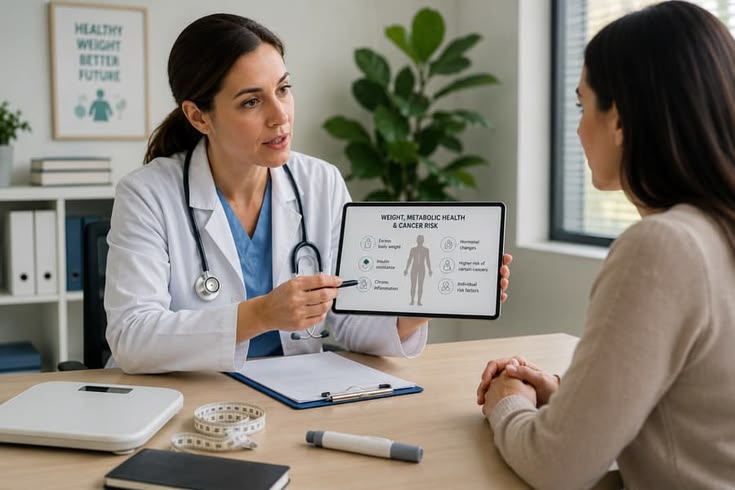


Patient engagement is an important part of modern healthcare. It involves encouraging patients to participate actively in their healthcare, maintain communication with providers, follow recommended care plans, and make informed decisions about their well-being. As healthcare becomes increasingly patient-centered, organizations are exploring different ways to build stronger and more meaningful relationships with patients. One approach is Patient Engagement Through Loyalty Programs, which can encourage continued interaction while providing patients with useful benefits and support.
Healthcare loyalty programs should be designed differently from traditional retail reward systems. Their primary purpose should be to encourage healthy behaviors, preventive care, education, and ongoing engagement rather than simply promoting healthcare services.
What Are Healthcare Loyalty Programs?
Healthcare loyalty programs are structured initiatives that provide patients with appropriate benefits or incentives for continued engagement with a healthcare organization.
Depending on the organization and its services, these programs may include educational resources, wellness activities, appointment reminders, preventive care incentives, health assessments, or access to selected benefits.
The purpose is to create an ongoing relationship between patients and healthcare providers while encouraging individuals to take an active role in managing their health.
Encouraging Regular Healthcare Visits
Some patients delay healthcare appointments until they experience significant symptoms. Loyalty programs can encourage individuals to remain connected with healthcare providers and participate in appropriate preventive care.
Programs may provide reminders or recognition for completing recommended routine appointments, screenings, or wellness activities.
Encouraging regular healthcare interactions can support early identification of potential health concerns and promote better continuity of care.
Supporting Preventive Healthcare
Preventive healthcare focuses on reducing health risks before serious problems develop. Loyalty programs can encourage patients to participate in appropriate preventive activities.
For example, programs may recognize participation in health screenings, wellness assessments, vaccination schedules, health education sessions, or lifestyle programs where appropriate.
The emphasis should remain on supporting healthy behaviors rather than creating pressure to use unnecessary healthcare services.
Improving Patient Communication
Effective communication is essential for patient engagement. Loyalty programs can create additional opportunities for healthcare organizations to share useful information with patients.
Digital platforms may provide appointment reminders, educational resources, wellness information, and updates relevant to a patient’s preferences or healthcare journey.
Consistent and useful communication can help patients feel more connected to their healthcare providers.
Encouraging Healthy Lifestyle Choices
Healthcare loyalty programs can also support healthy lifestyle habits. Organizations may develop initiatives that encourage physical activity, balanced nutrition, regular health checks, stress management, or other appropriate wellness activities.
For example, a wellness program could recognize participation in educational sessions or healthy lifestyle challenges.
These initiatives should be realistic, inclusive, and appropriate for different patient needs. Healthcare professionals should guide any program involving specific health recommendations.
Personalizing Patient Experiences
Technology can make loyalty programs more personalized. Healthcare organizations can use appropriate digital platforms to understand patient preferences and provide relevant information.
Personalization may include tailored educational resources, reminders, wellness content, or program benefits based on a patient’s interests and engagement.
However, personalization must be handled responsibly. Healthcare organizations should protect sensitive information and ensure that patients understand how their data is being used.
Using Digital Healthcare Platforms
Digital healthcare platforms can make loyalty programs easier to access. Patients may be able to view program information, track eligible activities, receive notifications, and access educational resources through a website or mobile application.
A convenient digital experience can encourage participation because patients do not have to rely entirely on paper-based communication.
Mobile-friendly platforms are particularly useful because many patients access healthcare information through smartphones.
Building Long-Term Patient Relationships
The goal of Patient Engagement Through Loyalty Programs should be to build long-term relationships rather than encourage short-term interactions.
When patients receive useful information, convenient communication, and meaningful support, they may feel more connected to their healthcare organization.
Trust is especially important in healthcare. Loyalty programs should therefore focus on providing genuine value and improving the overall patient experience.
Measuring Patient Engagement
Healthcare organizations can use appropriate data and analytics to understand whether a loyalty program is effective.
Engagement can be evaluated through participation rates, appointment adherence, educational content interaction, wellness activity participation, and patient feedback.
These insights can help healthcare organizations identify which aspects of a program are useful and where improvements may be needed.
Measurement should always respect privacy requirements and use only appropriate information.
Protecting Patient Privacy
Privacy is a critical consideration when developing healthcare loyalty programs. Programs may involve sensitive personal and health-related information, so organizations must establish appropriate security and data management practices.
Patients should understand what information is collected, why it is collected, and how it will be used. Organizations should also follow applicable healthcare privacy and data protection requirements.
Transparency can help build trust and encourage patients to participate confidently.
Avoiding Unhealthy Incentives
Healthcare loyalty programs must be designed carefully to avoid encouraging unnecessary appointments, treatments, tests, or procedures.
The focus should be on preventive care, education, healthy behaviors, and meaningful patient engagement.
Incentives should complement clinical care rather than influence patients to make inappropriate healthcare decisions.
The Role of Healthcare CRM Systems
Healthcare CRM systems can support loyalty programs by helping organizations manage patient interactions, communication preferences, engagement activities, and relevant program information.
A CRM platform can help healthcare teams coordinate communications and provide a more consistent experience across different channels.
When integrated responsibly with other healthcare systems, CRM technology can support more organized and patient-centered engagement strategies.
Future of Patient Loyalty Programs
As healthcare technology continues to evolve, loyalty programs may become more personalized and digitally connected. Mobile applications, wearable devices, remote monitoring, artificial intelligence, and healthcare CRM platforms may create new opportunities for patient engagement.
Future programs are likely to focus more on meaningful health outcomes and personalized support rather than traditional reward structures.
The success of these programs will depend on their ability to provide genuine value while maintaining privacy, accessibility, and patient trust.