
Modern healthcare is becoming increasingly dependent on digital technology. As hospitals, clinics, diagnostic centers, and other healthcare organizations manage growing volumes of patient information and administrative tasks, traditional manual processes can become difficult to maintain. Medical software provides digital solutions that help healthcare organizations manage information, streamline workflows, improve communication, and support better patient experiences.
From electronic medical records and appointment scheduling to billing, reporting, telemedicine, and patient engagement, medical software can connect different areas of healthcare operations. When properly implemented, it can help organizations improve efficiency while supporting healthcare professionals in delivering more organized and coordinated services.
Improving Patient Record Management
One of the most important benefits of medical software is efficient patient record management. Paper-based records can be difficult to organize, update, search, and share. Digital systems allow authorized healthcare professionals to access relevant patient information more quickly.
Medical software can organize information such as medical histories, consultation notes, laboratory results, prescriptions, treatment information, and appointment records in a structured environment. This can reduce unnecessary paperwork and make information easier to manage.
Digital records can also help healthcare organizations maintain more consistent documentation while reducing the risk of misplaced physical files.
Streamlining Healthcare Workflows
Healthcare organizations handle numerous processes every day. Appointment scheduling, registration, billing, documentation, follow-ups, and reporting can consume significant amounts of staff time when managed manually.
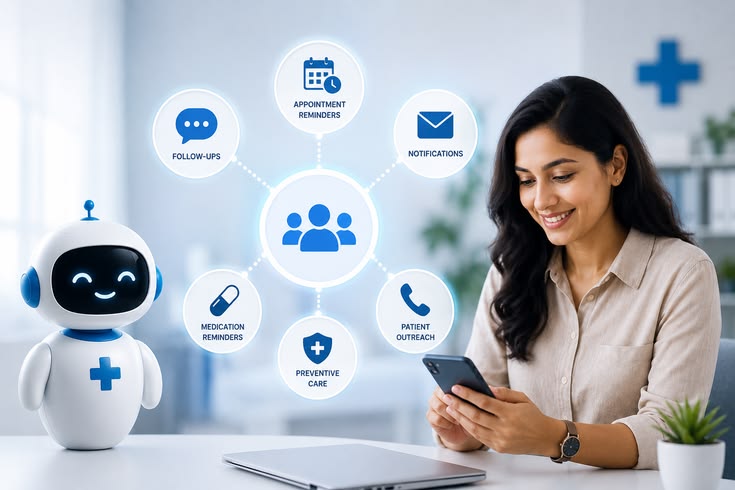
Medical software can automate or simplify many routine processes. Automated appointment reminders, digital registration, workflow notifications, and task management can help employees spend less time on repetitive administrative work.
A more organized workflow can also help healthcare professionals focus more of their attention on patient-related responsibilities.
Enhancing Patient Communication
Effective communication is an important part of modern healthcare. Patients may need appointment confirmations, reminders, follow-up instructions, reports, and other information.
Medical software can support communication through digital channels such as patient portals, notifications, email, messaging systems, and mobile applications. These tools can help patients stay informed throughout their healthcare journey.
Automated reminders can also reduce missed appointments and encourage patients to follow scheduled consultations or follow-up activities.
Supporting Better Clinical Decisions
Healthcare professionals often need access to different types of patient information when evaluating a patient’s condition. Medical software can bring relevant information together in a centralized system.
By providing organized access to medical histories, diagnostic results, medication information, and previous treatment records, software can support healthcare professionals in reviewing patient information more efficiently.
Advanced medical platforms may also incorporate analytics and artificial intelligence to identify patterns and provide decision-support capabilities. These technologies are designed to assist healthcare professionals rather than replace clinical expertise.
Improving Appointment Management
Appointment management is another area where medical software can make a significant difference. Manual scheduling can result in overlapping appointments, missed bookings, and unnecessary administrative work.
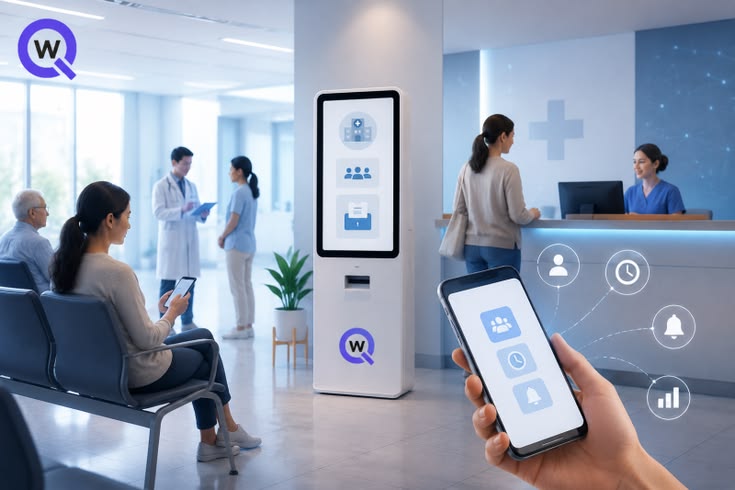
Digital scheduling systems can provide healthcare staff with a centralized view of appointments and available time slots. Depending on the system, patients may also be able to book, reschedule, or cancel appointments through online portals or mobile applications.
Automated reminders can further improve appointment management by notifying patients before scheduled visits.
Enabling Telemedicine Services
The growth of digital healthcare has increased demand for remote consultation services. Medical software can provide the infrastructure needed to support telemedicine workflows.
Depending on the platform, patients may be able to schedule virtual consultations, communicate with healthcare professionals, access digital prescriptions, receive follow-up information, and manage appointments remotely.
Telemedicine functionality can make healthcare services more convenient for patients who may have difficulty visiting a healthcare facility for every consultation.
Strengthening Data Security
Healthcare organizations handle highly sensitive information, making data security a major priority. Modern medical software can incorporate security mechanisms such as user authentication, role-based access controls, encryption, audit trails, and secure data storage.
These features can help organizations control who can access specific information and monitor activities within the system.
Security should be considered throughout the software development and implementation process. Healthcare organizations also need appropriate policies, access controls, staff training, and compliance measures to protect sensitive information.
Reducing Administrative Costs
Medical software can help reduce the amount of time and resources spent on repetitive administrative activities. Automated workflows can minimize manual data entry, reduce paperwork, and simplify reporting.
For example, digital billing systems can help organize invoices and payment information, while automated reporting tools can reduce the effort required to prepare operational reports.
Although implementing software requires investment, improved efficiency can provide long-term operational benefits.
Supporting Remote Patient Monitoring
Modern medical software can also support remote patient monitoring when integrated with suitable connected devices. Healthcare organizations can collect relevant information from approved monitoring devices and make it available to authorized healthcare professionals.
Analytics can help identify changes or trends in collected information, allowing healthcare teams to determine when additional attention may be appropriate.
Remote monitoring can be especially useful for ongoing care and chronic disease management when implemented with appropriate clinical oversight.
Connecting Healthcare Departments
Healthcare organizations often have multiple departments that need to share information. Medical software can help connect areas such as reception, consultation, laboratory services, pharmacy, billing, administration, and management.
Integrated systems can reduce information silos and improve the flow of relevant information between departments. This can help create a more coordinated healthcare environment.
Interoperability with other healthcare systems can further improve information exchange when appropriate standards and security measures are followed.
Improving Patient Experience
A positive patient experience involves more than clinical treatment. Patients also expect convenient scheduling, clear communication, shorter administrative processes, and easy access to relevant information.
Medical software can support these expectations by providing digital services that make healthcare interactions more convenient.
Online appointment booking, digital reminders, patient portals, electronic forms, and virtual consultations are examples of features that can make healthcare services easier to access.
The Future of Medical Software
Medical software is continuing to evolve as artificial intelligence, cloud computing, automation, analytics, mobile technology, and connected devices become more integrated into healthcare.
Future platforms may provide more intelligent workflow automation, predictive analytics, personalized patient communication, virtual assistants, and advanced reporting capabilities.
However, technology should always be implemented with a clear focus on patient safety, privacy, usability, security, and healthcare professionals’ needs.