
Multi-specialty clinics manage patients across different medical departments, healthcare professionals, appointment schedules, treatment plans, billing processes, and communication channels. Coordinating these activities can become challenging when information is stored across disconnected systems. A Healthcare CRM for Multi-Specialty Clinics provides a centralized digital platform that can help organize patient interactions, streamline workflows, improve communication, and support better operational coordination.
As multi-specialty healthcare organizations continue to adopt digital technologies, CRM solutions can play an important role in connecting patient engagement with everyday clinic operations.
Centralizing Patient Information
Multi-specialty clinics often handle patients who may interact with several departments during their healthcare journey. A centralized CRM can organize relevant patient information and interaction history in one accessible environment.
Authorized staff can view appropriate information based on their roles, helping teams understand previous interactions and follow-up requirements. This can reduce the need to search through multiple systems and improve continuity across departments.
Managing Multiple Specialties
Each specialty may have different workflows, appointment requirements, and communication needs. A healthcare CRM can help clinics organize these processes while maintaining a unified patient management system.
For example, a patient may visit one department for an initial consultation and later require services from another specialty. A connected CRM can help coordinate relevant communication and follow-up activities between authorized teams.
Improving Appointment Management
Appointment scheduling can become complex when multiple specialties and healthcare professionals share resources. CRM software can help manage appointments, availability, confirmations, cancellations, and follow-ups.
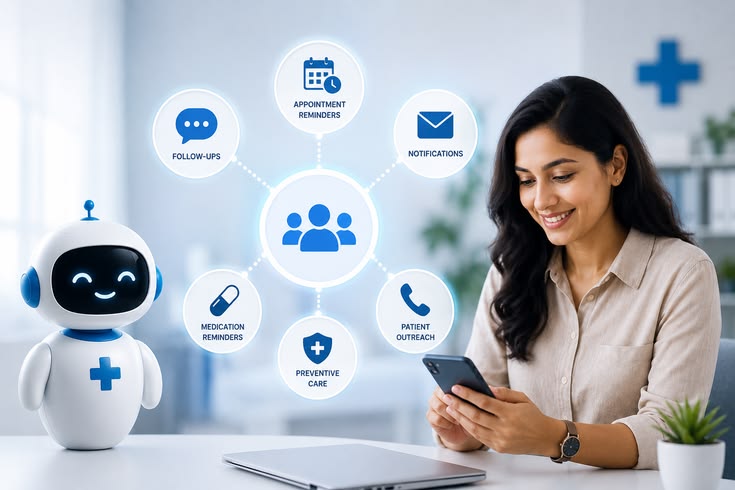
Automated reminders can notify patients before appointments and help reduce missed visits. Staff can also gain better visibility into schedules and patient interactions.
An organized appointment workflow can improve resource utilization and create a more convenient experience for patients.
Enhancing Patient Communication
Communication is an important part of multi-specialty healthcare. Patients may require reminders, follow-up messages, appointment confirmations, service information, or other updates.
Healthcare CRM systems can centralize communication across appropriate channels such as SMS, email, phone, patient portals, and mobile applications.
Consistent communication helps patients remain informed while reducing repetitive manual work for clinic staff.
Supporting Patient Follow-Up
Follow-up care is especially important when patients receive services from multiple specialties. CRM platforms can help healthcare teams schedule and monitor follow-up activities.
Automated workflows can generate reminders based on appointments, treatment stages, or predefined care processes. Staff can track pending tasks and ensure that appropriate follow-ups are not overlooked.
This can help create a more continuous patient journey.
Improving Lead and Inquiry Management
Multi-specialty clinics often receive inquiries about different services and departments. A healthcare CRM can organize these inquiries and route them to the appropriate team.
Potential patients can be categorized according to service requirements, while staff can track communication and follow-up activities.
A structured inquiry management process can help clinics respond more consistently and efficiently.
Connecting Marketing and Patient Engagement
Healthcare CRM platforms can support patient engagement campaigns across different specialties. Clinics can communicate relevant information about preventive care, wellness programs, follow-up services, and other appropriate healthcare offerings.
Campaigns can be segmented based on suitable patient information, allowing communication to be more relevant rather than sending the same message to every patient.
Responsible patient engagement should always consider privacy, consent, and applicable healthcare regulations.
Supporting Cross-Department Coordination
One of the key challenges in multi-specialty clinics is maintaining coordination between departments. A CRM can provide a shared platform for managing patient interactions and operational tasks.
Reception teams, administrators, patient coordinators, and other authorized staff can work with centralized information according to their responsibilities.
Better coordination can reduce communication gaps and support a more consistent patient experience.
Automating Repetitive Workflows
Healthcare staff may spend significant time on repetitive administrative tasks. CRM automation can simplify activities such as appointment reminders, follow-up notifications, task assignments, patient communications, and campaign management.
Automation allows employees to focus more on patient-facing responsibilities while reducing manual workload.
Workflows can be customized based on the needs of different specialties and departments.
Improving Patient Retention
Building long-term patient relationships is important for multi-specialty clinics. A CRM can help organizations maintain regular communication with patients after their initial visit.
Follow-up reminders, personalized communication, feedback requests, and engagement campaigns can help keep patients connected with the clinic.
A consistent digital experience across specialties can also strengthen trust and convenience.
Using Analytics for Better Decisions
Healthcare CRM systems can provide reports and analytics related to patient interactions, appointments, communication campaigns, follow-ups, and engagement.
Clinic managers can use these insights to identify operational trends and areas for improvement.
For example, analytics may reveal which specialties receive the highest number of inquiries, which communication channels generate stronger engagement, or where appointment cancellations are most common.
Data-driven insights can support better resource planning and patient engagement strategies.
Integrating Healthcare Systems
A CRM becomes more valuable when it can integrate with other healthcare technologies. Depending on the organization’s requirements, integrations may include electronic health record systems, appointment platforms, billing software, laboratory systems, communication tools, patient portals, and telehealth solutions.
Integration can reduce duplicate data entry and minimize the need for staff to switch between multiple platforms.
Protecting Patient Data
Healthcare CRM platforms manage sensitive patient information, making security an essential consideration. Clinics should implement appropriate authentication, access controls, encryption, monitoring, and data management practices.
Role-based permissions can help ensure that staff members only access information necessary for their responsibilities.
Organizations should also ensure that their CRM implementation follows applicable privacy, security, and healthcare regulations.
The Future of Healthcare CRM for Multi-Specialty Clinics
Artificial intelligence, predictive analytics, automation, and conversational technologies are expected to expand the capabilities of healthcare CRM platforms.
AI may help analyze patient engagement patterns, automate routine communications, prioritize tasks, and provide useful insights for healthcare management.
Future CRM platforms are likely to become increasingly connected with patient portals, mobile applications, telehealth services, wearable technologies, and other digital healthcare tools.