
The healthcare experience is no longer limited to what happens inside a consultation room. From searching for a healthcare provider and booking an appointment to receiving reminders, accessing medical information, completing payments, and managing follow-up care, every interaction contributes to the overall patient journey. Digital healthcare solutions are helping healthcare organizations improve these interactions by making services more accessible, connected, convenient, and efficient.
As patients become more familiar with digital services in other industries, they increasingly expect healthcare to provide similarly simple and responsive experiences. Healthcare organizations can use digital technologies to reduce unnecessary administrative processes while creating a more patient-focused journey.
Understanding the Digital Patient Journey
The patient journey includes every interaction a person has with a healthcare organization. It may begin with finding information online and continue through appointment booking, registration, consultation, treatment, payment, and follow-up.
Digital solutions can connect these different stages. Instead of treating each interaction as a separate process, healthcare organizations can create a connected journey where information and communication flow more efficiently between patients and healthcare teams.
This approach can reduce friction and make healthcare services easier to navigate.
Simplifying Appointment Booking
Appointment scheduling is often one of the first interactions patients have with a healthcare provider. Traditional booking methods may require phone calls and waiting for staff availability.
Online booking systems and mobile applications can provide patients with convenient access to available appointments. Patients can select suitable dates and times without necessarily contacting the clinic directly.
Automated confirmations and reminders can further improve the process while helping reduce missed appointments.
Making Registration More Convenient
Patient registration can involve forms, personal information, insurance details, and other documentation. Completing these processes manually at a healthcare facility can increase waiting times.
Digital registration and electronic forms allow patients to provide relevant information before arriving for an appointment. Staff can then review the information in advance and prepare for the visit.
A more efficient registration process can reduce administrative delays and create a better first impression.
Providing Better Communication
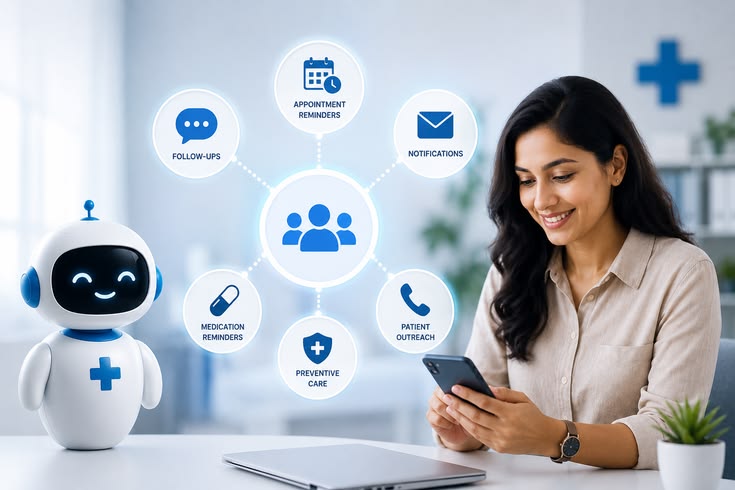
Communication plays an important role throughout the patient journey. Patients may need appointment reminders, preparation instructions, follow-up information, payment notifications, or general updates.
Digital communication platforms can automate appropriate notifications and help healthcare organizations communicate consistently.
Patient portals, mobile applications, email, SMS, and other communication channels can be used according to the organization’s needs and applicable requirements.
Improving Access to Patient Information
Digital patient portals can give patients convenient access to selected healthcare information. Depending on the platform, patients may be able to view appointment details, reports, prescriptions, educational resources, or other authorized information.
Easy access to relevant information can reduce the need for repeated calls and help patients remain more informed about their healthcare activities.
Healthcare providers can also benefit when patients have access to clear instructions and appointment information through a centralized digital platform.
Supporting Telehealth Services
Telehealth has become an important part of modern healthcare delivery. Digital platforms can allow patients to communicate with healthcare professionals remotely when a virtual consultation is clinically appropriate.
Telehealth can be particularly convenient for follow-up consultations, routine discussions, and situations where an in-person visit may not be necessary.
By integrating telehealth with appointment scheduling and patient records, healthcare organizations can create a more connected digital experience.
Reducing Waiting Times
Long waiting times can negatively affect the patient experience. Digital solutions can help healthcare organizations manage appointments, patient flow, notifications, and staff coordination more effectively.
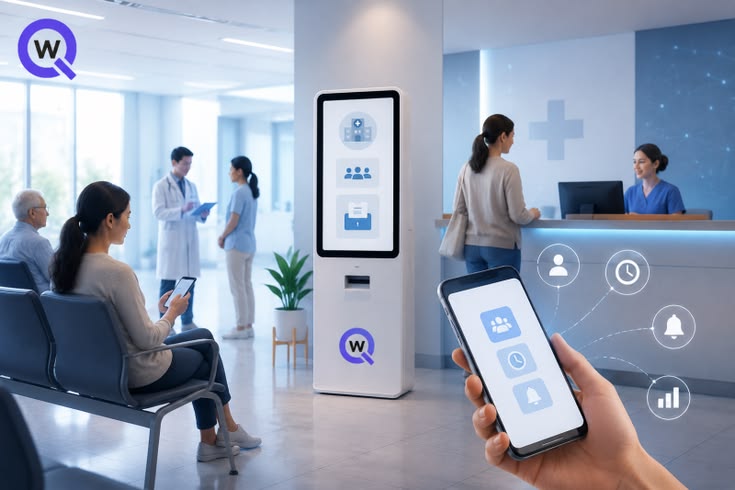
Automated check-in systems, digital queue management, and real-time appointment information can help patients understand the status of their visit.
Better workflow coordination can also help staff identify delays and respond more efficiently.
Personalizing Patient Experiences
Patients have different needs, preferences, and healthcare requirements. Digital systems can help healthcare organizations deliver more relevant communication and services based on appropriate information.
For example, patients may receive personalized appointment reminders, follow-up notifications, educational resources, or care instructions.
Artificial intelligence and analytics can further support personalization by identifying patterns in patient interactions. However, personalization should always be implemented responsibly, with appropriate privacy and security controls.
Supporting Follow-Up Care
The patient journey does not end when a consultation is completed. Follow-up care can be essential for monitoring progress, managing treatment plans, and encouraging patients to maintain recommended healthcare activities.
Digital solutions can automate follow-up reminders, schedule future appointments, provide relevant instructions, and facilitate communication between patients and healthcare teams.
These tools can help healthcare organizations maintain engagement beyond the initial visit.
Making Payments Easier
Payment processes can also influence the overall patient experience. Digital payment systems can provide convenient ways for patients to settle bills and receive payment confirmations.
Integrated billing systems can connect payment information with other administrative processes, reducing duplicate data entry and making financial records easier to manage.
A simple payment experience can help complete the patient journey more efficiently.
Using Data to Improve Patient Experience
Digital platforms generate valuable operational and patient engagement data. Healthcare organizations can analyze this information to understand how patients interact with their services.
For example, analytics can reveal appointment cancellation patterns, waiting times, frequently used services, communication preferences, and areas where patients may experience difficulties.
These insights can help organizations identify opportunities for improvement and make decisions based on real operational data.
Protecting Patient Information
Digital transformation must always be supported by strong security and privacy practices. Healthcare organizations handle sensitive information, so digital solutions should include appropriate safeguards for data access, storage, transmission, and management.
Role-based access, authentication, encryption, monitoring, secure infrastructure, and staff awareness can contribute to stronger protection.
Healthcare organizations should also ensure that their digital systems and processes comply with applicable healthcare and data protection requirements.
Connecting Healthcare Systems
A fragmented digital experience can create problems when different systems do not communicate effectively. Integrated healthcare platforms can connect appointment management, patient records, billing, communication, telehealth, and other services.
Interoperability can help reduce information silos and create a more continuous flow of information.
When systems work together effectively, both patients and healthcare professionals can experience a more coordinated journey.
The Future of Digital Patient Journeys
The future of patient experience is likely to involve greater use of artificial intelligence, automation, mobile healthcare applications, remote monitoring, predictive analytics, and connected healthcare platforms.
AI-powered virtual assistants may help patients navigate services, while automated workflows can manage routine administrative activities. Wearable devices and remote monitoring technologies may also contribute to more continuous healthcare engagement.
However, technology should complement human care rather than replace the personal relationship between patients and healthcare professionals.