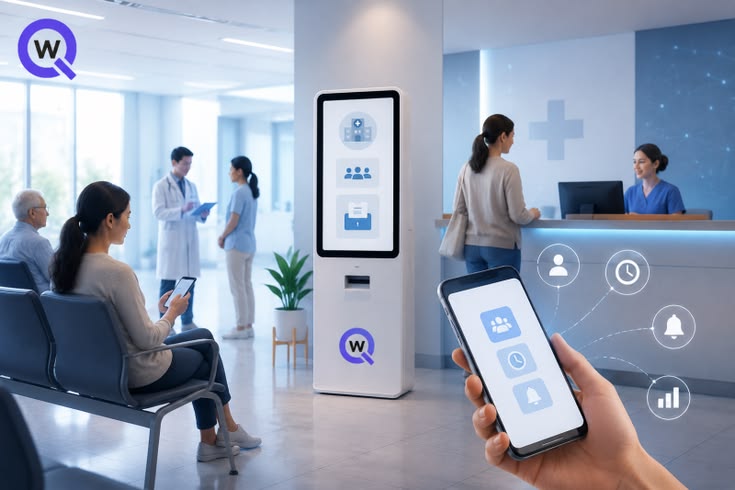

Modern healthcare organizations need more than quality clinical services to build lasting relationships with patients. Convenient communication, timely support, personalized engagement, and consistent follow-up all contribute to patient satisfaction and retention. Healthcare Loyalty & Call Center Solutions combine patient engagement technologies with organized communication systems to help healthcare providers create stronger and more connected patient relationships.
By integrating loyalty programs, call center workflows, communication channels, and patient data, healthcare organizations can improve service delivery while making it easier for patients to interact with their healthcare providers.
What Are Healthcare Loyalty & Call Center Solutions?
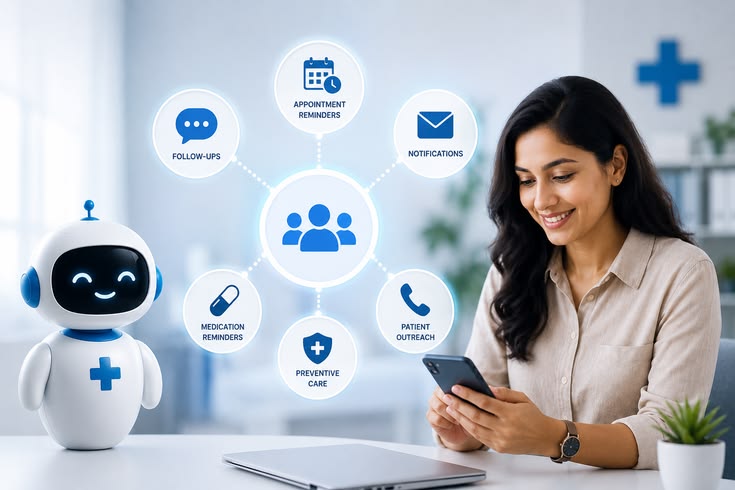
Healthcare loyalty solutions are digital systems designed to encourage patient engagement and strengthen long-term relationships. They can support personalized rewards, healthcare campaigns, appointment reminders, follow-up programs, and patient engagement activities.
Call center solutions, on the other hand, help healthcare organizations manage inbound and outbound patient communication. These systems can organize calls, track interactions, route inquiries, schedule appointments, and support follow-up activities.
When combined, these technologies can create a connected communication and engagement ecosystem.
Improving Patient Communication
Effective communication is one of the foundations of a positive healthcare experience. Patients may contact healthcare providers for appointments, reports, billing information, service inquiries, or follow-up support.
A healthcare call center solution can organize these interactions and help staff respond more efficiently. Call histories and communication records can provide authorized staff with relevant context when assisting patients.
Automated notifications can also support routine communication and reduce the need for repeated manual calls.
Strengthening Patient Loyalty
Patient loyalty is influenced by many factors, including service quality, convenience, communication, and overall experience. Loyalty solutions can help healthcare organizations maintain engagement beyond individual appointments.
Organizations can create patient engagement programs that encourage regular preventive care, follow-up visits, wellness activities, or other appropriate healthcare services.
Personalized communication can make these programs more relevant to individual patients while helping organizations build long-term relationships.
Centralizing Patient Interactions
Healthcare organizations may communicate with patients through phone calls, SMS, email, mobile applications, websites, and other channels. Managing these interactions separately can make it difficult to maintain a consistent patient experience.
An integrated platform can bring communication activities into a centralized environment. Authorized staff can access relevant interaction histories and manage follow-up tasks more efficiently.
Centralization can also help reduce duplicate communication and improve coordination between teams.
Automating Call Center Workflows
Call center staff often handle repetitive activities such as appointment confirmations, reminders, follow-ups, and routine inquiries.
Healthcare call center software can automate selected workflows and route tasks based on predefined rules. For example, an appointment request can be directed to the appropriate scheduling team, while routine reminders can be automated.
Automation can reduce staff workload and allow employees to focus on interactions that require greater attention.
Managing Inbound Calls
Inbound calls are an important communication channel for many healthcare organizations. Patients may call to book appointments, ask about services, request information, or follow up on previous interactions.
Call center software can help organize incoming calls through features such as call routing, queue management, caller information, and interaction tracking.
A structured inbound workflow can reduce waiting times and help ensure that patient inquiries reach the appropriate team.
Supporting Outbound Patient Engagement
Healthcare organizations also need to communicate proactively with patients. Outbound calls can be used for appointment reminders, follow-up activities, preventive care campaigns, patient feedback, and other appropriate communication.
A call center platform can help staff create organized outbound campaigns and track communication outcomes.
When integrated with loyalty tools, these campaigns can also support long-term patient engagement.
Personalized Patient Experiences
Patients have different healthcare needs and communication preferences. Digital loyalty and call center platforms can use appropriate patient information to support more personalized interactions.
For example, communication can be organized based on appointment history, service usage, follow-up requirements, or participation in an engagement program.
Personalization should always be supported by appropriate data privacy, security, consent, and access controls.
Integrating Loyalty Programs With Healthcare Services
A loyalty platform can be more effective when connected to other healthcare systems. Integration with appointment management, CRM platforms, patient portals, billing systems, and communication tools can create a more connected experience.
For example, a patient who completes a specific engagement activity may receive an appropriate notification or benefit through the loyalty system.
The exact structure of a healthcare loyalty program should be designed around the organization’s services, patient needs, and applicable regulations.
Improving Patient Retention
Retaining existing patients can be an important part of sustainable healthcare operations. Consistent communication and personalized engagement can help organizations maintain relationships with patients over time.
Call center teams can follow up with patients after appointments, while loyalty platforms can support ongoing engagement.
Together, these systems can help healthcare providers maintain communication throughout different stages of the patient journey.
Collecting Patient Feedback
Patient feedback can provide valuable insights into healthcare experiences. Call center and loyalty platforms can support surveys, feedback requests, and interaction tracking.
Healthcare organizations can analyze feedback to identify recurring concerns and areas where service delivery could improve.
Using feedback as part of continuous improvement can help organizations respond to patient expectations more effectively.
Using Analytics for Better Decisions
Modern call center and loyalty solutions can provide dashboards and analytics related to calls, response times, patient interactions, campaigns, engagement levels, and other operational metrics.
These insights can help managers identify trends and evaluate the effectiveness of communication strategies.
Analytics can also support workforce planning by helping organizations understand call volumes and peak communication periods.
Omnichannel Healthcare Communication
Patients increasingly expect communication across multiple channels. An omnichannel approach allows healthcare organizations to provide a more consistent experience across phone, SMS, email, web portals, mobile applications, and other supported channels.
Instead of treating every channel as a separate system, organizations can connect communication activities to create a more unified patient experience.
Protecting Patient Data
Healthcare call center and loyalty platforms handle sensitive information, making security a critical consideration. Organizations should implement appropriate authentication, access controls, encryption, monitoring, and data management practices.
Staff should only have access to information necessary for their responsibilities. Healthcare organizations must also ensure that their technology and communication processes comply with applicable laws and regulations.
The Future of Healthcare Loyalty and Call Center Technology
Artificial intelligence, automation, predictive analytics, and conversational technologies are expected to play a growing role in healthcare communication.
AI-powered assistants may help handle routine inquiries, while intelligent routing can direct patients to appropriate teams. Predictive analytics may also help organizations identify engagement opportunities and optimize communication campaigns.
However, human support will remain important for complex, sensitive, or clinically relevant conversations.