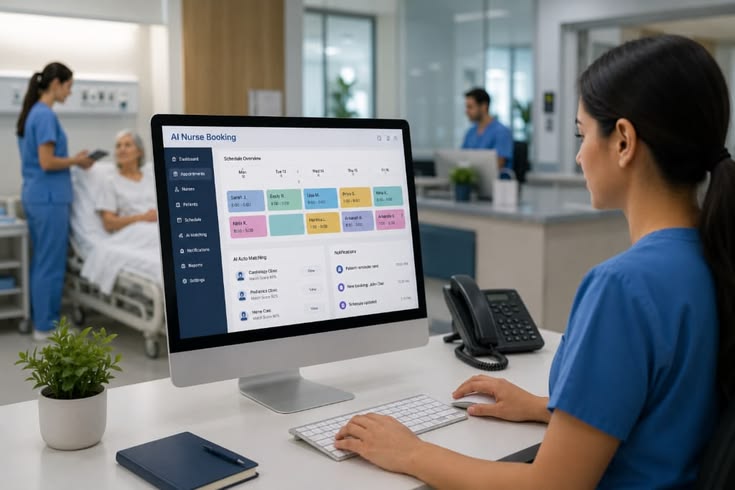


Healthcare is no longer limited to what happens inside a clinic or hospital. Patients interact with healthcare providers before an appointment, during consultations, after treatment, and throughout follow-up care. Managing these interactions effectively is essential for creating a connected and patient-focused experience. This is why Patient Journey Software matters for modern healthcare organizations.
Patient journey software helps healthcare providers organize and manage different stages of a patient’s interaction with their services. From appointment scheduling and reminders to communication, follow-up, and feedback, digital tools can help create a smoother and more coordinated patient experience.
Understanding the Patient Journey
The patient journey includes every interaction a person has with a healthcare organization. It may begin with searching for a healthcare service and continue through appointment booking, registration, consultation, diagnosis, treatment, payment, follow-up, and ongoing care.
Without an organized system, important information can become fragmented across different departments and communication channels.
Patient journey software can help connect these stages, giving healthcare organizations a more structured way to manage patient interactions.
Better Patient Communication
Clear communication is an important part of healthcare. Patients may need appointment confirmations, reminders, preparation instructions, follow-up messages, treatment information, or other updates.
Patient journey software can help automate and organize communication based on specific stages of care. This can reduce the chances of missed messages and ensure that patients receive relevant information at appropriate times.
Automated communication should complement, rather than replace, personal communication when professional interaction is required.
Improved Appointment Management
Appointments are an important part of the patient journey. Missed appointments, scheduling errors, and delays can affect both patients and healthcare staff.
Digital patient journey solutions can support appointment scheduling, confirmations, reminders, rescheduling, and cancellations. Patients may also receive timely notifications through preferred communication channels.
Better appointment management can improve operational efficiency while making the process more convenient for patients.
Personalized Patient Experiences
Every patient may have different needs, preferences, and stages of care. Patient journey software can help healthcare organizations provide more relevant interactions based on available information and appropriate consent.
For example, patients may receive different reminders or educational information depending on their appointment type or stage of treatment.
Personalization can make healthcare communication more useful while helping patients feel better supported throughout their journey.
Streamlined Follow-Up Care
Follow-up is an important part of many healthcare services. Patients may require additional appointments, medication reminders, tests, monitoring, or post-treatment instructions.
Patient journey software can help healthcare teams organize follow-up activities and communication. Automated reminders can support continuity while staff can monitor relevant tasks and intervene when human attention is required.
This structured approach can reduce the possibility of important follow-up activities being overlooked.
Better Coordination Between Departments
Healthcare delivery often involves multiple departments and professionals. When information is stored across disconnected systems, coordination can become challenging.
Patient journey software can connect relevant workflows and provide authorized teams with access to appropriate information.
Improved coordination can help reduce communication gaps and create a more consistent experience across different stages of care.
Reduced Administrative Work
Healthcare professionals and administrative teams often spend considerable time handling repetitive tasks. Appointment confirmations, reminders, follow-up messages, data entry, and routine communication can consume valuable resources.
Automation within patient journey software can reduce some of these repetitive activities. This allows staff to focus more attention on tasks requiring professional judgment and direct patient interaction.
Improved Patient Engagement
Engaged patients are more likely to interact with healthcare services and stay informed about their care. Digital platforms can provide convenient ways for patients to access information, communicate with healthcare teams, manage appointments, and receive reminders.
Patient portals and mobile applications can extend engagement beyond the physical healthcare facility.
Data-Driven Insights
Patient journey software can provide organizations with useful operational insights. Depending on the platform and privacy requirements, healthcare providers may analyze appointment patterns, communication engagement, service usage, follow-up completion, and patient feedback.
These insights can help organizations identify areas that need improvement and make better-informed operational decisions.
Healthcare data must be handled responsibly, with appropriate privacy, security, consent, and access controls.
Improved Patient Satisfaction
A fragmented healthcare experience can lead to confusion and frustration. Patients may have difficulty finding information, remembering appointments, or understanding the next step in their care.
A connected digital journey can make interactions more organized and predictable. Timely communication, easy appointment management, convenient access to information, and structured follow-up can contribute to a better overall experience.
Supporting Continuity of Care
Continuity is particularly important for patients who require multiple appointments or ongoing care. Patient journey software can help healthcare organizations coordinate interactions across different stages.
When relevant information and workflows are connected, authorized healthcare teams can better understand where a patient is within the care process and what actions may be required next.
Security and Privacy Considerations
Because patient journey platforms may handle sensitive healthcare information, security should be a priority. Organizations should select solutions that support appropriate authentication, authorization, encryption, data protection, audit controls, and secure integrations.
Healthcare providers should also ensure that their digital processes comply with applicable privacy and healthcare regulations.
Choosing the Right Patient Journey Software
The right solution depends on the organization’s size, services, workflows, technology environment, and patient needs. Important considerations may include integration capabilities, automation features, communication options, analytics, scalability, security, usability, and support.
Healthcare organizations should focus on solutions that solve genuine workflow challenges rather than adopting technology simply because it is available.
Understanding Why Patient Journey Software Matters is increasingly important for healthcare organizations seeking to deliver connected and patient-focused services. By coordinating appointments, communication, follow-up, workflows, and engagement, patient journey software can help create a smoother experience for both patients and healthcare teams.
When implemented strategically, these solutions can reduce administrative workload, improve communication, support continuity of care, and provide valuable operational insights. The goal is not simply to digitize individual interactions but to create a more connected healthcare journey from the patient’s first interaction through ongoing care.