
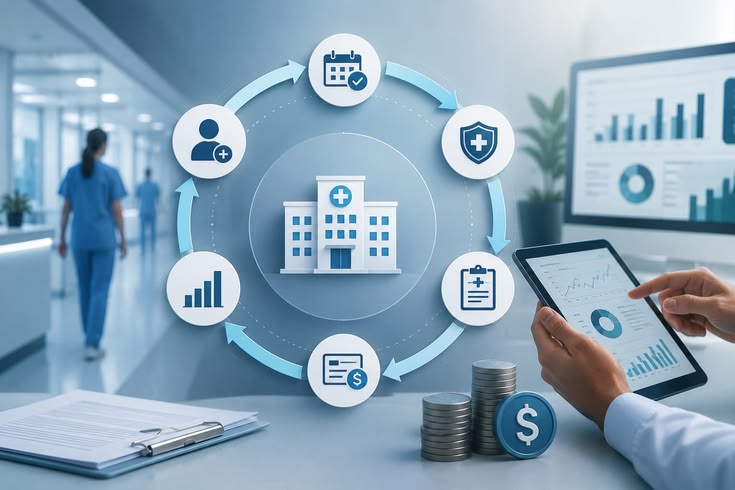
Technology has become an essential part of modern healthcare. Hospitals, clinics, medical centers, and healthcare organizations rely on digital systems to manage patient information, appointments, communication, billing, clinical workflows, and administrative operations. Choosing the right healthcare technology can improve efficiency while supporting better patient experiences.
Understanding the Top Features Every Healthcare IT Solution Should Include can help healthcare organizations select platforms that are secure, scalable, user-friendly, and capable of supporting their long-term digital goals.
Electronic Patient Records
A healthcare IT solution should provide an organized way to manage patient information. Electronic patient records can bring relevant information into a centralized digital environment.
Depending on the system, records may include patient demographics, medical history, consultation notes, diagnoses, prescriptions, laboratory results, and treatment information.
Centralized records can help authorized healthcare professionals access relevant information more efficiently and reduce reliance on paper-based processes.
Appointment Management
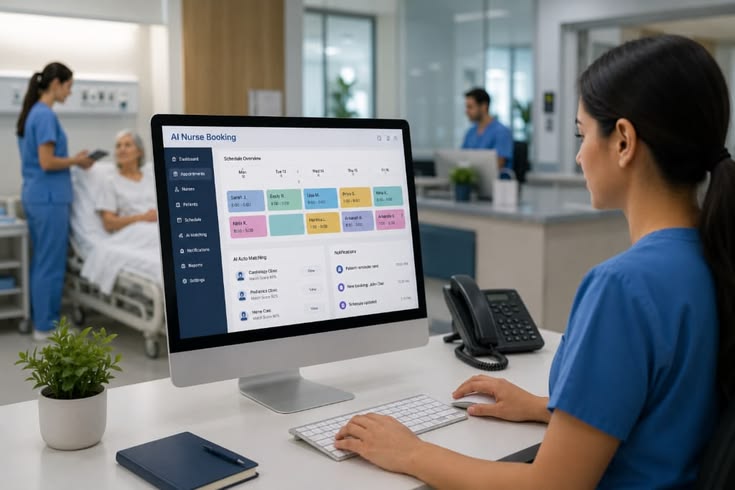
Appointment management is a fundamental requirement for clinics and healthcare organizations. An effective system should make it easy to create, modify, confirm, and manage appointments.
Useful features may include provider calendars, appointment reminders, cancellations, rescheduling, waiting-list management, and online booking.
Efficient scheduling can reduce administrative workload and help create a more convenient experience for patients.
Patient Communication
Communication plays an important role throughout the healthcare journey. Healthcare IT solutions should support reliable communication between patients and healthcare teams.
Depending on the platform, communication features may include SMS, email, secure messaging, notifications, and patient portals.
Automated reminders can help patients stay informed about appointments, follow-ups, preparation instructions, and other relevant information.
Telemedicine Support
Virtual healthcare has become an important component of modern healthcare delivery. Healthcare IT platforms can include telemedicine capabilities that allow patients and professionals to communicate remotely.
Features may include video consultations, secure messaging, appointment scheduling, digital documentation, and follow-up communication.
Telemedicine functionality can make certain healthcare services more accessible while complementing in-person care.
Billing and Payment Management
Financial management is another important component of healthcare operations. Healthcare IT solutions should support billing and payment workflows appropriate to the organization’s requirements.
Features may include invoice generation, payment tracking, billing records, receipts, and integration with payment gateways.
Automating financial processes can reduce manual administrative work and improve record accuracy.
Role-Based Access Control
Healthcare systems contain sensitive information, so access control is essential. Role-based access allows organizations to determine what different users can view or modify.
For example, administrators, doctors, nurses, accountants, and support staff may require different levels of access.
Restricting access based on job responsibilities can help protect information and reduce unauthorized access.
Data Security and Privacy
Security should be built into every healthcare IT solution. Systems may handle sensitive patient, financial, and operational data.
Important security capabilities can include encryption, secure authentication, access controls, audit logs, backups, monitoring, and secure data transmission.
Healthcare organizations should also ensure that the technology they use supports applicable privacy and regulatory requirements.
Integration Capabilities
Healthcare organizations often use multiple software systems. An effective healthcare IT solution should be capable of integrating with relevant platforms.
Integrations may include electronic health records, laboratory systems, pharmacies, payment gateways, CRM platforms, communication tools, analytics systems, and medical devices.
APIs and standards-based integration can help different systems exchange information efficiently.
Reporting and Analytics
Data can help healthcare organizations understand their operations and identify opportunities for improvement. Healthcare IT solutions should provide appropriate reporting and analytics capabilities.
Reports may cover appointment activity, patient engagement, service utilization, financial performance, operational efficiency, and other relevant metrics.
Clear dashboards can help management teams make informed decisions based on reliable information.
Mobile Accessibility
Healthcare professionals and patients increasingly rely on smartphones and tablets. Mobile accessibility can make digital healthcare services more convenient.
A healthcare IT solution may offer responsive web access or dedicated mobile applications depending on the requirements.
Mobile functionality can support appointment management, communication, notifications, patient information access, and other approved workflows.
Patient Portal
A patient portal can give individuals secure access to selected healthcare services and information.
Depending on the system, patients may be able to view appointments, access reports, request services, communicate with healthcare teams, manage personal details, or review relevant medical information.
A well-designed portal can encourage patient engagement and reduce the need for routine administrative communication.
Automation
Automation can help healthcare organizations reduce repetitive administrative tasks. A healthcare IT solution may automate appointment reminders, notifications, follow-up workflows, data entry, reporting, and other routine processes.
Automation can improve consistency and allow staff to focus on activities requiring professional judgment or direct patient interaction.
Scalability
Healthcare organizations may grow by adding providers, departments, locations, services, and patients. The technology platform should be capable of supporting this growth.
A scalable system can allow organizations to add users, features, integrations, and locations without replacing the entire platform.
Scalability is especially important for healthcare organizations planning long-term digital transformation.
User-Friendly Interface
Healthcare professionals often work in busy environments. Complicated software can slow down workflows and create unnecessary frustration.
A healthcare IT solution should have an intuitive interface, clear navigation, simple workflows, and easy access to frequently used features.
Good usability can reduce training requirements and improve adoption among staff.
Backup and Recovery
Healthcare organizations need reliable access to important information. Data backup and disaster recovery capabilities can help protect against hardware failures, cyber incidents, accidental deletion, or other disruptions.
A suitable solution should provide appropriate backup strategies and recovery procedures based on the organization’s requirements.
Customization
Healthcare organizations have different workflows and operational needs. Customization allows software to be configured according to specific requirements.
Customizable dashboards, forms, workflows, notifications, user roles, and reports can help organizations adapt the platform to their operations.
Conclusion
The Top Features Every Healthcare IT Solution Should Include go beyond basic patient record management. Modern healthcare technology should combine electronic records, appointment scheduling, communication, telemedicine, billing, security, integrations, analytics, automation, mobile accessibility, and scalability.
The right healthcare IT solution should support both patient needs and organizational workflows. By evaluating usability, security, integration capabilities, scalability, and functionality, healthcare organizations can choose technology that supports efficient operations and a connected patient experience.
A well-designed healthcare IT platform can become a central part of digital transformation, helping healthcare providers manage information more effectively while preparing for future technological developments.