

No-shows and missed appointments are a persistent challenge in healthcare. They disrupt clinic schedules, reduce revenue, and can even negatively impact patient health outcomes. According to industry studies, missed appointments can cost healthcare providers thousands of dollars annually and often delay treatment for patients who genuinely need care. Fortunately, modern healthcare technology offers an effective solution: Healthcare Customer Relationship Management (CRM) systems. By leveraging a Healthcare CRM, clinics and hospitals can significantly reduce patient no-shows while improving operational efficiency and patient satisfaction.
Understanding Patient No-Shows
Patient no-shows occur when patients miss scheduled appointments without notifying the clinic in advance. Causes can range from forgetfulness and transportation issues to miscommunication and complex scheduling processes. Regardless of the reason, no-shows have a cascading impact: staff idle time, wasted resources, and delayed care for other patients. This is where a robust Healthcare CRM can make a transformative difference.
What is a Healthcare CRM?
A Healthcare CRM is a specialized software platform designed to manage patient interactions and streamline administrative workflows. Unlike general CRMs, Healthcare CRMs focus on patient engagement, appointment management, follow-up care, and communication. By centralizing patient information and automating key processes, healthcare providers can deliver personalized care while minimizing administrative burdens.
How Healthcare CRM Reduces Patient No-Shows
1. Automated Appointment Reminders
One of the most effective ways to reduce no-shows is through timely reminders. Healthcare CRMs can automatically send appointment reminders via email, SMS, or even phone calls. These reminders can be customized to include appointment details, preparation instructions, and rescheduling options. Automated notifications ensure patients are aware of their upcoming appointments and reduce the likelihood of forgetfulness.
2. Simplified Online Booking and Rescheduling
Many patients miss appointments because scheduling is inconvenient or inflexible. Healthcare CRMs often provide online booking portals where patients can view available slots, book appointments, and reschedule if needed. By offering easy-to-use digital tools, clinics reduce friction in the scheduling process and empower patients to manage their appointments proactively.
3. Centralized Patient Communication
Communication gaps are a common cause of missed appointments. Healthcare CRMs consolidate all patient interactions into a single platform, allowing staff to track messages, follow-ups, and appointment confirmations. Whether it’s a phone call, email, or SMS, all communications are logged and accessible, ensuring no patient is overlooked. This centralized system helps clinics respond promptly to patient queries and reinforces the importance of attending scheduled appointments.
4. Personalized Engagement
Healthcare CRMs can leverage patient data to create personalized engagement strategies. For example, reminders can be tailored based on patient preferences, such as preferred communication channels or the most effective time to send notifications. Personalized communication not only reduces no-shows but also strengthens patient relationships by demonstrating that the clinic understands and values their needs.
5. Analytics and Reporting
Healthcare CRMs provide powerful analytics tools that allow clinics to track appointment trends, identify high-risk patients, and measure the effectiveness of communication strategies. By analyzing patterns such as frequent cancellations or rescheduled appointments, staff can proactively reach out to patients and address potential barriers. These insights help optimize scheduling practices and minimize no-shows over time.
6. Integration with Telehealth and Virtual Care
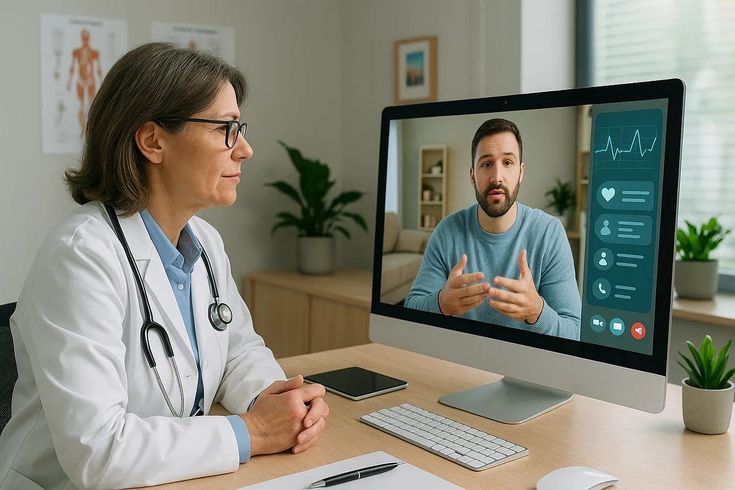
For patients who face challenges attending in-person visits, Healthcare CRMs can integrate with telehealth platforms. Offering virtual consultations as an alternative reduces the likelihood of missed appointments due to travel constraints or health concerns. This flexibility ensures continuity of care while keeping clinic schedules on track.
Best Practices for Using Healthcare CRM to Minimize No-Shows
- Send Multiple Reminders: Use a combination of SMS, email, and phone calls to ensure patients receive notifications in their preferred format.
- Enable Easy Rescheduling: Allow patients to reschedule appointments with minimal effort to reduce cancellations.
- Track Attendance Patterns: Identify patients who frequently miss appointments and implement targeted interventions, such as personalized follow-ups.
- Educate Patients: Use the CRM to share educational content and highlight the importance of keeping appointments for their health.
- Leverage Feedback: After appointments, gather feedback to understand barriers to attendance and refine your scheduling process.
Benefits Beyond Reducing No-Shows
While the primary goal is minimizing missed appointments, Healthcare CRM provides additional benefits:
- Improved Patient Satisfaction: Patients appreciate timely reminders, easy scheduling, and personalized communication.
- Enhanced Operational Efficiency: Staff spend less time manually contacting patients and managing scheduling conflicts.
- Better Health Outcomes: When patients attend appointments consistently, treatments are more effective, and preventive care is maintained.
- Increased Revenue: Fewer missed appointments mean more efficient use of resources and higher revenue retention for clinics.
Conclusion
Patient no-shows are a significant challenge for healthcare providers, but they are not insurmountable. By adopting a Healthcare CRM, clinics can automate reminders, streamline scheduling, centralize communication, and deliver personalized patient engagement. These strategies not only reduce missed appointments but also enhance overall patient experience, operational efficiency, and health outcomes.
In a healthcare environment where time and care are precious, leveraging CRM technology to minimize no-shows is a smart investment. It ensures that patients receive timely care while providers operate smoothly and efficiently, ultimately fostering a healthier, more satisfied patient population.