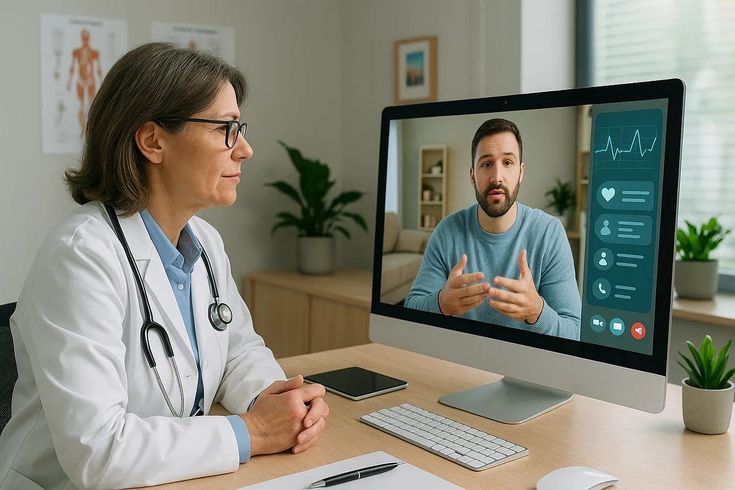

In today’s digital-first world, patients expect seamless, timely, and personalized communication from healthcare providers. The traditional approach of relying solely on phone calls or in-person interactions is no longer sufficient. With the rise of digital technologies, healthcare organizations must adopt a more dynamic and flexible communication strategy. This is where understanding Why Multi-Channel Patient Communication Is Essential in Healthcare CRM becomes crucial.
Multi-channel communication refers to the use of multiple platforms—such as email, SMS, mobile apps, patient portals, and social media—to interact with patients. When integrated into healthcare Customer Relationship Management (CRM) systems, this approach significantly enhances patient engagement and operational efficiency.
Understanding Multi-Channel Communication in Healthcare
Multi-channel communication allows healthcare providers to connect with patients through their preferred platforms. Instead of a one-size-fits-all approach, it ensures that communication is tailored to individual patient needs and behaviors.
Healthcare CRM systems act as a centralized hub that manages all these communication channels, ensuring consistency, accuracy, and efficiency. This integration enables providers to deliver a seamless experience across every touchpoint.
The Growing Need for Multi-Channel Communication
The modern patient is more connected than ever. With smartphones, wearable devices, and constant internet access, patients expect instant communication and real-time updates.
Relying on a single communication method can lead to missed appointments, delayed responses, and reduced patient satisfaction. Multi-channel strategies address these challenges by providing multiple ways for patients to stay informed and engaged.
Key Benefits of Multi-Channel Patient Communication
1. Enhanced Patient Engagement
One of the primary reasons Why Multi-Channel Patient Communication Is Essential in Healthcare CRM is its ability to improve patient engagement. Patients are more likely to respond to messages delivered through their preferred channels.
For example, some patients may prefer SMS reminders, while others may engage more with email or mobile app notifications. By offering multiple options, healthcare providers can ensure better interaction and responsiveness.
2. Improved Appointment Management
Missed appointments are a significant challenge in healthcare. Multi-channel communication helps reduce no-shows by sending automated reminders via SMS, email, or app notifications.
Patients can also confirm, cancel, or reschedule appointments بسهولة, improving scheduling efficiency and reducing administrative burden.
3. Personalized Patient Experience
Healthcare CRM systems can use patient data to deliver personalized messages across different channels. This includes tailored health tips, follow-up reminders, and treatment updates.
Personalization makes patients feel valued and understood, strengthening their relationship with healthcare providers.
4. Faster Communication and Response Times
Multi-channel communication enables real-time interaction between patients and providers. Whether it’s answering a query through chat, sending test results via email, or providing updates through mobile apps, communication becomes faster and more efficient.
This responsiveness is critical in healthcare, where timely information can significantly impact patient outcomes.
5. Increased Accessibility and Convenience
Patients have different preferences and levels of digital literacy. Multi-channel communication ensures that everyone can access healthcare services in a way that suits them.
For instance, older patients may prefer phone calls, while younger patients might opt for mobile apps or messaging platforms. Offering multiple channels makes healthcare more inclusive and accessible.
6. Better Data Collection and Insights
Every interaction across different channels generates valuable data. Healthcare CRM systems can analyze this data to understand patient behavior, preferences, and engagement patterns.
These insights help organizations refine their communication strategies and improve overall service delivery.
Common Communication Channels in Healthcare CRM
SMS and Text Messaging
Quick and effective for appointment reminders, alerts, and short updates.
Email Communication
Ideal for detailed information such as reports, newsletters, and follow-ups.
Mobile Applications
Provide a comprehensive platform for booking appointments, accessing records, and receiving notifications.
Patient Portals
Secure platforms where patients can view their medical history, communicate with providers, and manage their care.
Social Media and Chat Platforms
Useful for general engagement, awareness campaigns, and quick responses to patient inquiries.
Challenges in Implementing Multi-Channel Communication
While the benefits are significant, implementing a multi-channel strategy comes with challenges.
Data Security and Privacy
Handling patient data across multiple platforms requires strict security measures to prevent breaches and ensure compliance with regulations.
Integration Complexity
Integrating various communication channels into a single CRM system can be technically challenging.
Consistency in Messaging
Maintaining consistent and accurate communication across all channels is essential to avoid confusion.
Resource Management
Managing multiple channels requires proper planning, tools, and trained staff.
Best Practices for Effective Multi-Channel Communication
To successfully implement multi-channel communication in healthcare CRM, organizations should consider the following best practices:
- Understand patient preferences and tailor communication accordingly
- Use automation for reminders and routine updates
- Ensure data security and compliance at all times
- Maintain consistency in messaging across all platforms
- Regularly analyze data to optimize communication strategies
The Future of Multi-Channel Communication in Healthcare
As technology continues to evolve, multi-channel communication will become even more advanced. Emerging trends such as artificial intelligence, chatbots, and voice assistants will further enhance patient interaction.
Healthcare CRM systems will increasingly focus on delivering unified, seamless experiences across all channels, ensuring that patients receive the right information at the right time through their preferred medium.
Conclusion
In an era where communication plays a vital role in patient care, adopting a multi-channel approach is no longer optional—it is essential. Understanding Why Multi-Channel Patient Communication Is Essential in Healthcare CRM helps healthcare organizations improve engagement, enhance patient satisfaction, and streamline operations.
By leveraging multiple communication platforms, healthcare providers can create a more connected, responsive, and patient-centric ecosystem. As the industry continues to evolve, multi-channel communication will remain a cornerstone of effective healthcare CRM strategies.